3D Barrier Bags, Inc

What Is a Hand Held Heat Sealer Machine?

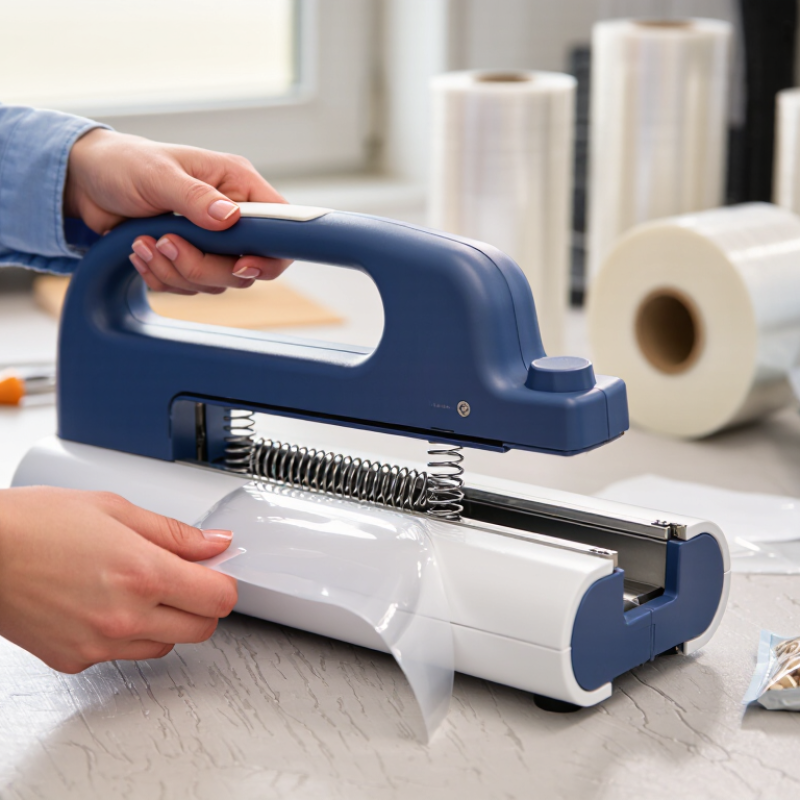
A hand held heat sealer machine is a compact tool that closes thermoplastic packaging with controlled heat and pressure. It is commonly used for plastic bags, laminated pouches, and small production batches. Unlike large automated sealers, this portable device fits comfortably on a workbench or packing station.

Its operation is straightforward. The operator places the open package between heated sealing jaws, then applies pressure for a set time. Heat softens the inner plastic layer, while pressure forms a continuous seam as the material cools. Seal width, temperature, and dwell time vary by model and packaging film. Small details matter. A clean sealing surface usually produces more consistent results.

In daily use, packaging staff often value portability, quick setup, and low space requirements. However, a hand held heat sealer machine is not automatically suitable for every material. Thick multilayer films may require stronger equipment, while heat-sensitive plastics can wrinkle or burn. Testing sample bags first is a practical step. It prevents avoidable waste.

This article will explain the machine’s structure, working principle, suitable materials, and common applications. It will also discuss operating technique, maintenance, and basic workplace precautions. Reliable sealing depends on more than pressing a switch. Film condition, operator consistency, and correct temperature all influence performance. Even experienced users can overlook cooling time. That small mistake may weaken the seal. Manufacturers’ instructions should remain the primary reference, because machine designs differ. A careful evaluation is better than assuming every portable sealer works the same way.

What Is a Hand Held Heat Sealer Machine?

Definition and Basic Function of a Hand Held Heat Sealer Machine

What Is a Hand Held Heat Sealer Machine?

A hand held heat sealer machine is a compact device that closes thermoplastic packaging with heat and pressure. Its heated jaws soften the film, then create a sealed seam as the material cools. Common materials include polyethylene, polypropylene, and laminated films. The operator usually places the open edge between the jaws and activates the sealing cycle manually.

The basic function is simple, but settings matter. Sealing time, temperature, film thickness, and jaw pressure must match the material. Too little heat leaves channels or weak corners. Excessive heat can wrinkle the film or damage its inner layer. From practical use, a short test on scrap material is more reliable than guessing.

Small tool. Big consequence.

Industry demand supports this equipment’s role in flexible packaging. Grand View Research reported that the global packaging machinery market reached approximately 52.83 billion U.S. dollars in 2022, with projected growth through 2030. The report covers broader machinery, not handheld sealers alone. Therefore, applying that figure directly to handheld machines would be misleading. The FAO’s 2022 food-loss report also estimated that 13.2% of food was lost between harvest and retail in 2021. Proper sealing may help protect packaged goods, but it cannot replace clean handling, suitable storage, or quality inspection. Operators should check seal width, continuity, and strength during routine production.

The seal matters.

Main Components and How the Sealing Process Works

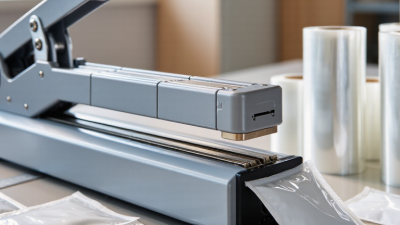
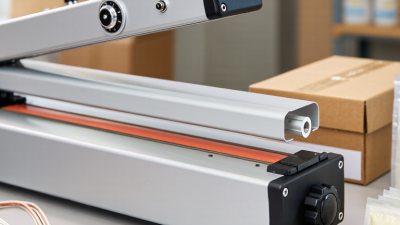
A hand held heat sealer looks simple, but its sealing head contains several important parts. The jaws hold the film flat. A resistance heating strip supplies controlled heat. PTFE-coated surfaces prevent melted plastic from sticking. A thermostat, timer, or electronic controller regulates temperature and dwell time. The handle creates closing pressure, while insulation protects the operator’s hand. Some units include a trimming blade. Small details matter.

During use, the operator overlaps compatible thermoplastic layers and places them between the jaws. Closing the handle applies pressure. Heat softens the inner film layers, not the entire package. After the set dwell time, the jaws should remain closed briefly while the joint cools. This creates a continuous seal. Practical testing may use a 2–5 mm seal width and a one-to-three-second dwell. Film thickness changes everything. Wrinkles, dust, or uneven pressure can create channels that appear sealed but leak. That failure is easy to miss.

Industry data shows why this compact tool remains useful. The Flexible Packaging Association’s 2024 State of the Flexible Packaging Industry report recorded approximately 39.5 billion dollars in U.S. flexible-packaging sales for 2023. PMMI’s 2024 industry reporting also identifies labor pressure and practical automation as continuing concerns. A handheld sealer suits short runs, sampling, repairs, and irregular package sizes. It is not automatically a quality system. Operators still need temperature trials, seal-strength checks, and recorded settings. The weak point is often the operator. I would not trust a perfect-looking seal without testing it.

What Is a Hand Held Heat Sealer Machine? – Main Components and How the Sealing Process Works

Category Component or Stage Function and Technical Details Practical Information
Machine Overview Hand Held Heat Sealer A compact impulse-sealing device that joins thermoplastic packaging films by applying heat and pressure for a controlled period. Commonly used for bags, pouches, liners, and other flexible plastic packaging.
Main Component Heating Element A resistance wire or heating strip converts electrical energy into heat. In impulse models, it heats only during the sealing cycle. The element must be clean, correctly positioned, and replaced when damaged or worn.
Main Component Heat-Resistant Cover or Tape A non-stick, heat-resistant layer separates the heated element from the packaging film and helps prevent melted plastic from adhering to the bar. The cover or tape is a consumable part and should be inspected for scorching, cuts, or exposed heating wire.
Main Component Clamping Jaws The upper and lower jaws hold the film layers together while heat is transferred through the sealing area. Even pressure across the entire seal helps reduce wrinkles, gaps, and weak spots.
Main Component Temperature or Time Control A control system sets either the heating time, temperature, or both. Basic impulse sealers commonly regulate the duration of the electrical pulse. The correct setting depends on film type, thickness, seal width, and machine design.
Main Component Handle and Trigger The handle allows the operator to position the sealer, close the jaws, and activate the heating cycle without using a fixed bench-mounted frame. Ergonomic handles are useful when sealing irregularly positioned bags or working in locations without a dedicated packaging line.
Main Component Power Supply and Electrical Protection The power circuit supplies current to the heating element and may include insulation, a fuse, a thermal limiter, or other protective features. The voltage and electrical rating must match the available power source and the machine specification.
Sealing Process Place the product inside a compatible thermoplastic bag or pouch and keep the sealing area free from dust, moisture, oil, and product residue. Contamination in the seal zone is a common cause of channels, pinholes, and leakage.
Sealing Process Align the open edge between the jaws so the film is flat and the intended seal line is fully supported. Avoid sealing across folds, trapped product, sharp edges, or excessive layers of material.
Sealing Process Close the jaws firmly to create uniform contact between the film layers and the heating surface. Insufficient or uneven pressure can produce an incomplete seal even when the heat setting is correct.
Sealing Process The heating element raises the temperature of the thermoplastic layers until their sealing surfaces soften and fuse together. Typical materials include polyethylene, polypropylene, and laminated films with a compatible heat-sealing layer.
Sealing Process After the heating pulse ends, the jaws remain closed briefly so the softened polymer can cool and stabilize under pressure. Opening the jaws too early may deform the seal or reduce its strength.
Quality Check A good seal is continuous, evenly compressed, and free from open channels, burn-through, wrinkles, and visible contamination. For critical packaging, perform leak, peel-strength, or burst testing according to the applicable packaging procedure.
Material Compatibility The film must contain a heat-sealable thermoplastic layer. Paper, foil, or multilayer structures require a suitable sealing layer and an appropriate temperature range. Always test an unfamiliar film because structure, coating, thickness, and additives affect sealing performance.
Operating Variables The main variables are heat input, contact time, jaw pressure, cooling time, film thickness, and the number of film layers. Increase settings gradually and verify the seal rather than relying on a single universal value.
Maintenance Disconnect power before maintenance, remove residue, inspect the heating element and non-stick covering, and check the jaw alignment. Regular cleaning and timely replacement of worn consumables help maintain consistent seal quality.

Common Materials Suitable for Hand Held Heat Sealing

What Is a Hand Held Heat Sealer Machine?

Common Materials Suitable for Hand Held Heat Sealing

A hand held heat sealer machine joins thermoplastic layers with controlled heat and pressure. It is useful for closing bags, liners, and flexible pouches. The operator places the open edge between the heated jaws. After a short sealing cycle, the softened layers bond together. Seal quality depends on temperature, pressure, sealing time, and material thickness. Small adjustments matter.

Polyethylene film is widely used because it seals easily and remains flexible. Polypropylene film can produce clean, strong seals when the temperature is set correctly. Laminated films are also suitable, especially when their inner layer is heat-sealable. Common structures may combine plastic with foil or another barrier layer. However, the outer surface does not determine sealing performance. The inner sealing layer does.

Some coated paper and cellophane products can seal, but ordinary paper usually cannot. Metal foil alone also needs a compatible sealant layer. Dust, moisture, wrinkles, or product residue can create weak channels in the seal. Keep the edge flat and clean. The first test is rarely perfect. Start with a short sealing time, then inspect the bond by gently pulling it apart. A seal that looks smooth may still fail under pressure. Thicker materials often need more heat or time, but excessive heat can burn the film. That balance requires testing, not guesswork. Sealing settings should be recorded for repeatable production, though real materials can vary between batches.

Types, Features, and Key Performance Differences

What Is a Hand Held Heat Sealer Machine?

A hand held heat sealer closes thermoplastic packaging with controlled heat and pressure. It is useful for pouches, liners, sampling bags, and short production runs. Impulse sealers heat only when the jaws meet. They usually consume less energy between seals. Constant-heat models maintain hot jaws for coated films and thicker laminates. Seal width commonly ranges from 2 to 5 millimeters. Practical sealing speed depends on film thickness, often taking 1 to 3 seconds per seal. A wider bar improves stability, but it also increases hand fatigue.

The key differences appear in temperature control, dwell time, seal strength, and repeatability. A basic unit may use a simple dial, while a precision model uses digital control and adjustable cooling time. These details matter because excessive heat can shrink film or weaken the seal. In bench testing, consistent pressure often matters as much as temperature. That point is easy to overlook. The Flexible Packaging Association reported estimated United States flexible packaging sales of 39.4 billion dollars in 2023. Smithers also identifies flexible packaging performance and material efficiency as major market priorities in its 2023–2028 industry outlook. Better sealing supports both goals, but only when the film is compatible.

Tips: Match the sealer to the film structure, not only its thickness. Test ten sealed samples and inspect wrinkles, channels, and peeling. Record temperature and dwell time. Then repeat the test after the machine warms up. Battery models improve mobility, but their declining charge can reduce consistency. That limitation deserves attention. A small production trial is safer than trusting a brochure specification.

What Is a Hand Held Heat Sealer Machine?

Hand held heat sealers close thermoplastic packaging by applying heat and pressure. The chart compares representative, brand-neutral performance ranges for common sealer types.

Sealer type Heating method Typical warm-up behavior Best suited for
Impulse sealer Heat is applied only during sealing No continuous preheating; short sealing cycle PE, PP, laminated films, and intermittent packaging
Constant-heat sealer Heated jaws remain at a controlled temperature Requires warm-up before operation Thicker laminates, coated films, and heat-sensitive materials
Hot-jaw sealer One or two heated jaws apply heat and pressure Moderate warm-up; temperature affects seal strength Wider seals and heavier flexible packaging

The chart uses representative operating ranges commonly found in handheld and benchtop heat-sealing equipment. Actual capacity depends on film structure, coating, temperature control, pressure, dwell time, and material thickness.

Safety Guidelines, Maintenance, and Practical Applications

What Is a Hand Held Heat Sealer Machine?

A hand held heat sealer closes thermoplastic packaging with controlled heat and pressure. Operators commonly use it for pouches, liners, small bags, and sample packaging. Its compact jaw helps seal products where fixed equipment is impractical. However, convenience can hide hazards. The International Labour Organization reported nearly 3 million work-related deaths annually in its 2023 estimates. This broader figure reinforces one point: routine tasks still need disciplined controls.

Safety begins with a cool, stable work surface and dry hands. Keep fingers away from the heated jaw. Do not bypass guards, timers, or electrical protection. The U.S. Occupational Safety and Health Administration requires suitable machine guarding under 29 CFR 1910.212. Disconnect power before clearing film or inspecting damaged cables. The U.S. Bureau of Labor Statistics recorded about 2.6 million nonfatal workplace injuries and illnesses in private industry during 2023. A sealer may be small, but poor habits scale quickly. Quite easily.

Maintenance should follow the service manual and local workplace procedures. Wipe melted residue from the sealing bar after shutdown, using approved tools and a fully cooled surface. Inspect the cord, plug, insulation, jaw alignment, and temperature control each shift. Replace worn PTFE covers when seals become uneven. In practical use, operators should test a few sample seals before production. Check strength, width, wrinkles, and leakage. I have found that rushed adjustments create more waste than careful setup. That observation is not a substitute for measured testing. Record inspection dates, faults, repairs, and operator training. Clear records make recurring problems visible.