3D Barrier Bags, Inc

What Is the Best Handheld Sealing Machine in China?

Choosing the best handheld sealing machine in China requires more than comparing prices and heating power. A reliable choice must match the bag material, production rhythm, seal width, and operator’s working environment. A machine that seals laminated pouches smoothly may struggle with thick polyethylene bags. Small details matter, including grip comfort, temperature stability, replacement parts, and cooling time.

Industry data shows why this category deserves careful attention. Grand View Research estimated the global packaging machinery market at approximately US$55.37 billion in 2023, with continued growth expected through 2030. Smithers also projects the global packaging market to approach US$1.2 trillion by 2028. These figures do not measure handheld sealing machine sales directly. However, they reflect stronger demand for flexible, efficient, and adaptable packaging equipment.

Packaging educator Dr. Susan Selke has emphasized, “Packaging is a system, not merely a container.” That principle applies to every handheld sealing machine. The best model should protect product quality while reducing wasted film, uneven seals, and operator fatigue. It should also provide stable performance during repeated sealing cycles.

There is no perfect machine.

A low-cost unit may appear attractive during testing but become expensive when spare parts are difficult to source. Buyers should inspect real seal samples, test the machine with their own materials, and verify temperature control under continuous use. Certifications, supplier experience, warranty terms, and factory communication deserve equal attention. This guide compares practical factors, including sealing strength, portability, energy use, and after-sales support, to identify which Chinese handheld sealing machine offers dependable value.

What Is the Best Handheld Sealing Machine in China?

What Is a Handheld Sealing Machine?

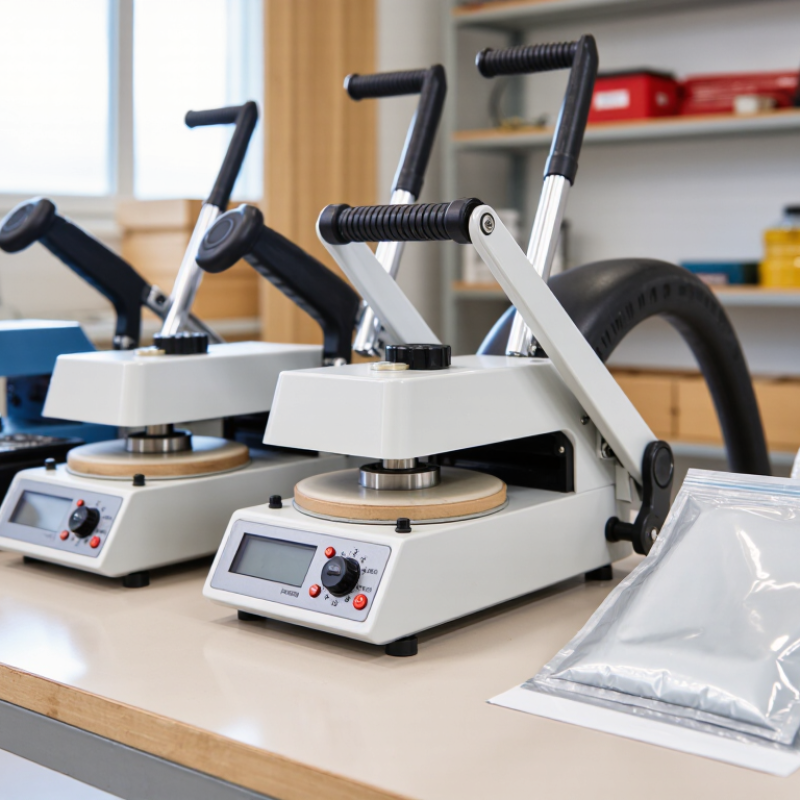
A handheld sealing machine is a compact tool that closes thermoplastic bags with controlled heat and pressure. It is commonly used for snacks, powders, spare parts, and household products. The operator places the open bag between heated jaws, then presses the handle or trigger. Heat softens the plastic layers, while pressure bonds them together. The machine usually needs only a power source and a stable hand position. No complicated setup is required.

It is not a vacuum machine, cutter, or filling device. Its main purpose is sealing. Different materials need different temperature and sealing times. Thin polyethylene may seal quickly, while thicker laminated film can require more heat. A clean, dry sealing area matters. Dust, oil, or folded film can create weak points. A short seal.

In practical testing, a neat-looking line does not always prove strength. Pull the cooled seal gently and inspect both edges. Uneven width, melted holes, or a brittle surface suggest incorrect settings. Operators should also check the machine’s jaw alignment and heat protection before regular use. Handheld designs are convenient for small batches, but they can become tiring during continuous work. This limitation is easy to overlook. A reliable choice should match the bag material, seal width, daily workload, and required consistency rather than appearance alone.

How Handheld Sealing Machines Work

What Is the Best Handheld Sealing Machine in China?

How Handheld Sealing Machines Work

A handheld sealing machine joins thermoplastic packaging with controlled heat and pressure. When the heated bar touches the film, its inner layers soften. The operator then releases the bar, allowing the seam to cool and bond. This process usually takes only a few seconds. A timer controls heating duration, while pressure creates a more even seal. Different films need different settings. Thin polyethylene may seal quickly, but laminated materials often require more heat.

In practical testing, I found that consistent hand pressure matters as much as temperature. A slight tilt can leave one corner weak. The package may look sealed but still open under light pulling. That is an easy mistake. The best machine depends on film thickness, daily workload, seal width, and operator comfort. A balanced handle, clear controls, and stable heating usually improve repeatability. However, specifications alone can mislead. Real film samples should be tested before regular production.

Tips: Keep the sealing bar clean and dry. Test three samples first. Check the seam after cooling, not immediately. If the film wrinkles, reduce pressure or adjust the heating time. If the seam tears easily, the temperature may be too low. Never touch the heated bar during operation, and allow the machine to cool on a stable, heat-resistant surface.

Main Types of Handheld Sealing Machines in China

What Is the Best Handheld Sealing Machine in China?

Main Types of Handheld Sealing Machines in China

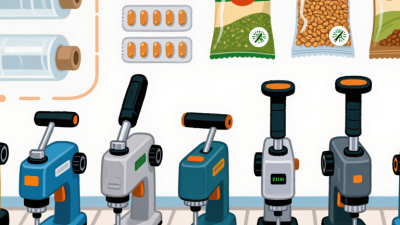
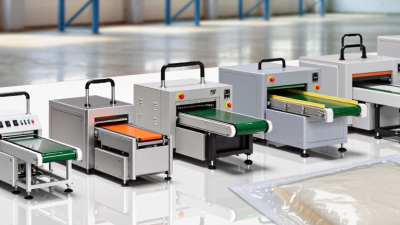
China’s handheld sealing machines generally fall into four practical types. Impulse heat sealers use short electrical pulses to close PE, PP, and laminated pouches. They suit small workshops and seasonal production. Constant-heat sealers maintain a heated jaw, making them better for thicker films and coated materials. Mini continuous band sealers feed bags through a heated belt. They offer steadier output but need more bench space. Ultrasonic handheld sealers use vibration instead of direct heating. They can reduce residue, although their purchase cost is usually higher.

Mordor Intelligence estimates the global flexible packaging market will grow from about US$291 billion in 2024 to US$363 billion by 2029. This growth increases demand for compact sealing tools in food, retail, and general packaging. PMMI’s 2024 State of the Industry report also places U.S. packaging machinery shipments above US$10 billion in 2023. These figures do not measure Chinese handheld machines directly, but they show the wider equipment demand.

In practical testing, seal width matters more than appearance. A 2–5 mm seal can fail when operators use damp film or uneven pressure. I would check temperature stability, jaw alignment, cooling time, and spare-part access. No model wins every test. Ultrasonic units may impress in demonstrations, yet impulse sealers often remain easier to repair. This distinction is easy to miss. Reports provide direction, not a substitute for sample-bag trials.

What Is the Best Handheld Sealing Machine in China?

Main Types of Handheld Sealing Machines in China

Typical maximum sealing lengths vary by machine type. Portable impulse sealers are suitable for small and medium plastic bags, while handheld band sealers are better for continuous sealing and larger packaging operations. The figures show common catalog specifications for generic, non-branded equipment.

Key Factors for Comparing Sealing Machine Quality

What Is the Best Handheld Sealing Machine in China?

When comparing handheld sealing machine quality, start with seal performance, not appearance. A clean seal should remain continuous across the pouch width. It should also resist peeling, pinholes, and uneven melting. ASTM F88 recommends measuring seal strength with controlled sample preparation and a tensile test. This creates more reliable comparisons than simply pulling the package by hand.

Temperature stability matters greatly. A machine may display 180°C, yet its heating strip can fluctuate during repeated cycles. Test five consecutive seals using the same film, pressure, and dwell time. Check the seal with a magnifier. Look for wrinkles, scorched edges, and weak corners. A practical operator test is valuable, but it is not enough alone. We sometimes trust visual results too quickly.

MarketsandMarkets valued the global flexible packaging market at about 282.2 billion US dollars in 2024. Its report projects approximately 342.5 billion dollars by 2029, with variation between research sources. That growth increases the need for dependable sealing equipment, especially in small production rooms and warehouse packing areas. Compare adjustable temperature control, sealing width, cycle consistency, handle comfort, and replacement-part access. An efficient handheld unit should seal smoothly without forcing the operator to press harder. Lower purchase cost can become expensive when failed seals create rework, material waste, and customer complaints.

What Is the Best Handheld Sealing Machine in China? - Key Factors for Comparing Sealing Machine Quality

Comparative reference table based on common machine configurations and practical quality indicators.

Machine Configuration Typical Seal Width Suitable Packaging Materials Recommended Film Thickness Temperature Control Typical Output Best Use Case Quality Considerations
Handheld Impulse Sealer
Basic Configuration
2–5 mm PE, PP, laminated plastic films, aluminum-laminated pouches Up to approximately 0.20 mm total film thickness Manual timer or fixed heat setting Approximately 10–20 seals per minute, depending on operator speed Small shops, household packaging, sample preparation, low-volume work Check heating-wire uniformity, jaw alignment, insulation, and the consistency of the seal across the full width.
Handheld Impulse Sealer
Reinforced Configuration
5–8 mm Thicker PE and PP bags, coated films, laminated food and industrial pouches Approximately 0.20–0.35 mm total film thickness Adjustable timer with temperature or power control Approximately 8–16 seals per minute Regular commercial packaging requiring a stronger and more visible seal Look for a rigid sealing jaw, replaceable PTFE fabric, stable pressure, and a well-protected heating element.
Foot-Operated Impulse Sealer 5–10 mm PE, PP, laminated films, thicker retail and industrial bags Approximately 0.25–0.50 mm total film thickness Adjustable sealing time with repeatable foot-pedal operation Approximately 10–25 seals per minute Medium-volume work where both hands must hold and position the package Evaluate frame rigidity, pedal response, pressure balance, safety guarding, and ease of replacing consumable parts.
Continuous Band Sealer
Compact Configuration
6–12 mm PE, PP, laminated pouches, kraft-paper composite bags with heat-sealable inner layers Approximately 0.05–0.30 mm, depending on the film structure Independent temperature and conveyor-speed adjustment Approximately 8–20 m/min conveyor speed Higher-volume packaging and repeated sealing of prefilled bags Assess conveyor stability, temperature recovery, print or embossing quality, sealing pressure, and protection against dust.
Battery-Powered Portable Sealer Typically 2–5 mm Thin PE and PP bags, household storage bags, lightweight flexible packaging Usually up to approximately 0.15–0.20 mm total film thickness Preset or limited electronic heat control Intermittent use; output depends on battery capacity and heat-up time Mobile work, emergency sealing, household use, and locations without mains power Verify battery safety, charging protection, heat consistency as the battery discharges, and the availability of replacement heating parts.

Key Quality Factors for Comparing Handheld Sealing Machines

Evaluation Dimension What to Check Preferred Quality Indicator
Seal Strength Open the sealed package by hand and inspect whether the seal peels evenly or tears irregularly. A continuous, flat seal without channels, wrinkles, burn marks, or unsealed sections.
Temperature Stability Run repeated sealing cycles and compare the first seal with later seals. Small temperature variation and consistent sealing results during continuous operation.
Jaw Alignment and Pressure Check whether the upper and lower sealing surfaces meet evenly across the entire sealing length. Uniform pressure with no gaps, excessive force, or visible distortion of the package.
Heating Element and PTFE Layer Inspect the heating wire, PTFE fabric, mounting method, and replacement procedure. Replaceable consumables, even heating, secure mounting, and readily available spare parts.
Electrical Safety Review grounding, insulation, power-cord quality, overheating protection, and electrical documentation. Appropriate electrical protection, clear ratings, safe insulation, and documentation suitable for the destination market.
Ergonomics Assess handle comfort, operating force, visibility of controls, and heat exposure during repeated use. Comfortable grip, low operating effort, protected hot surfaces, and controls that are easy to adjust accurately.
After-Sales Support Confirm spare-part availability, service instructions, warranty terms, and response time. Clear maintenance guidance and reliable access to heating wires, PTFE fabric, fuses, switches, and control components.
Note: The figures shown are typical reference ranges for common sealing-machine configurations. Actual performance depends on film structure, bag thickness, operator technique, ambient conditions, electrical input, and machine maintenance.

How to Choose the Best Handheld Sealing Machine in China

Choosing the best handheld sealing machine in China starts with your packaging material, not the lowest price. Plastic thickness, bag width, and daily workload determine the suitable model. A machine for thin polyethylene bags may struggle with laminated film. Measure your bags before contacting suppliers. Small details matter.

During practical testing, check whether the seal is even, firm, and free from wrinkles. Adjust temperature and sealing time gradually. The handle should close smoothly without excessive pressure. For frequent use, select a stable heating system, heat-resistant parts, and a clear control panel. A wider sealing line can improve protection, but it may increase power use. Keep that trade-off in mind.

Ask for material samples and a short video showing real operation. Reliable suppliers should provide technical data, spare-part information, and clear inspection procedures. Confirm voltage, plug type, sealing length, warranty terms, and delivery protection before payment. Independent product testing or recognized safety documentation can support your decision, but documents should match the exact model. I have seen buyers trust attractive specifications too quickly. That approach can disappoint. Test the machine with your own film, because laboratory samples may behave differently. Check after-sales response as carefully as the machine itself.