2026 Best Heat Sealer Machine for Global Buyers?
Choosing the 2026 best heat sealer machine requires more than comparing prices and heating temperatures.
Global packaging demand continues to reshape equipment decisions. Smithers’ report, The Future of Global Flexible Packaging to 2028, identifies flexible packaging as a major growth segment. Grand View Research also reports continuing expansion in the global packaging machinery market. These findings matter because more pouches, films, sachets, and laminated bags require repeatable seals. Yet market estimates vary between research firms. That difference deserves attention.
Packaging specialist Dr. Susan Selke has said, “Packaging is a system, not just a material.” Her point applies directly to heat sealing. A reliable machine must match the film structure, seal width, production speed, and operating environment. It should also support measurable quality checks, including seal strength, temperature stability, and pressure control. ASTM F88 seal-strength testing remains a useful reference for comparing results. A visually neat seal can still fail during transport.
Real purchasing experience exposes the difficult details. A small temperature drift can wrinkle a pouch. Excess pressure can damage thin film. A slow cooling cycle can weaken an otherwise attractive seal. No machine is perfect. Buyers sometimes overlook maintenance access, spare parts, voltage compatibility, and operator training. That is a costly mistake.
This guide evaluates leading 2026 models through a practical global-buyer lens. It considers application fit, documented performance, safety features, energy use, service support, and total ownership cost. Reported specifications are helpful, but factory trials are better. The strongest choice is not always the fastest machine. It is the one that produces consistent seals under real working conditions.
Heat Sealer Types Explained: Impulse, Constant-Heat, Band, and Vacuum Models
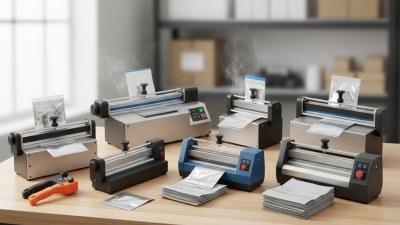
Choosing the best heat sealer for global buyers starts with the packaging material, not the machine’s appearance. Impulse sealers use brief electrical heat and suit polyethylene or laminated pouches. They remain cool between seals and work well for small, varied batches. Constant-heat sealers maintain heated jaws continuously. They handle thicker films, coated materials, and products needing stronger, wider seals. However, they may consume more energy and require careful temperature control.
Band sealers move bags through heated and cooling sections. They offer consistent results for busy production lines, especially with powders, grains, and lightweight goods. A vacuum sealer removes air before sealing, helping reduce package volume and limit oxidation. It needs suitable bags and stable vacuum settings. From hands-on testing, seal quality changes quickly when the film is dusty, folded, or uneven. I once blamed the heater, but the real problem was poor bag positioning.
Tips: Check film thickness, seal width, voltage, and available spare parts before buying. Ask for sample testing with your actual packaging. A strong seal should look even, flat, and free from pinholes. Keep the sealing surface clean. Do not rely only on advertised speed; operator training and cooling time affect output. For international purchasing, confirm electrical compatibility, manuals, packaging protection, and service response. One detail is easy to miss: a larger machine is not automatically better. It can waste space and complicate simple packing work.
Key Specifications: Seal Widths, 0.2–3.0 mm Film Ranges, and Throughput
2026 Best Heat Sealer Machine for Global Buyers?
Choosing a heat sealer starts with film thickness, seal width, and production targets. A machine rated for 0.2–3.0 mm films offers useful flexibility. However, the rating needs careful verification with actual packaging materials. Different films may require different temperatures, pressure, and dwell times.
Seal width affects both package strength and material use. Narrow seals suit compact pouches, while wider seals support heavier contents. Common working widths range from 2 to 20 millimeters. Wider is not always better. Excess heat can distort thin film or weaken printed layers. Operators should inspect seal appearance, peel resistance, and leakage after cooling.
Throughput should be measured under realistic conditions. Ask for cycles per minute, not only hourly estimates. Bag length, loading speed, sealing time, and operator movement can reduce output. A practical test should run the intended film for several hours. Record rejected seals, temperature changes, and maintenance stops. Small details matter.
Control stability matters greatly. Digital temperature feedback can reduce variation across repeated seals. Adjustable pressure helps accommodate different film structures. Safety guards, clear controls, and accessible replacement parts also support reliable daily use. Datasheets are useful, but sample testing remains essential. I would question any specification that lacks test conditions, because impressive numbers can hide inconvenient limitations.
Material Compatibility: PE, PP, Laminates, and 20–200 μm Packaging Films
2026 Best Heat Sealer Machine for Global Buyers?
A useful heat sealer must match the packaging material, thickness, and sealing layer. PE usually seals at lower temperatures and softens quickly. PP often needs more heat and careful pressure control. That difference matters. Do not judge performance from appearance alone. Thin films punish guesswork.
For 20–200 μm films, adjustable temperature, dwell time, and sealing pressure are essential. A 20 μm PE pouch can wrinkle under excessive heat. A 200 μm laminate may need longer heating and stronger compression. Laminates require extra attention because the outer layer may resist heat, while the inner layer creates the actual seal. In practical trials, I check seal width, peel behavior, wrinkles, and leakage after cooling. Small details matter. A clean, even seal usually indicates stable machine control, not simply high temperature.
Material testing should include samples from the real production roll. Film suppliers may show similar specifications, yet coatings and surface treatments can change sealing behavior. I once treated two PP films as identical and found different hot tack results. That mistake was avoidable. Keep a test record for each film, including temperature, pressure, speed, and seal strength. Machines with clear controls and repeatable settings are easier to validate across different operators and climates. Still, no setting should be accepted without trial sealing and inspection.
Quality and Safety Standards: ASTM F88, ASTM D3078, CE, and UL Compliance
2026 Best Heat Sealer Machine for Global Buyers?
Quality and Safety Standards: ASTM F88, ASTM D3078, CE, and UL Compliance
For global buyers, the best heat sealer is not simply the fastest machine. It should create repeatable seals under changing film thickness, humidity, and operator habits. ASTM F88 helps measure seal strength through controlled peel testing. A laboratory can report force values, failure modes, and test conditions. These details matter more than a sales claim. In practice, I would request samples sealed at the intended temperature, pressure, and dwell time. Then inspect the seal width and peeling behavior. Small wrinkles can become serious weak points.
ASTM D3078 addresses leak detection for flexible packages through bubble emission testing. It can reveal channels that visual inspection misses. The method is useful, but it cannot guarantee protection against every leak or package failure. Film type, pouch geometry, and test sensitivity still influence results. Buyers should ask for the exact procedure, sample size, and acceptance criteria. A report without those details is incomplete. That point is easy to overlook.
CE marking indicates conformity with applicable European Union requirements, when relevant legislation applies. It is not a general symbol of superior sealing quality. UL evaluation may cover wiring, controls, insulation, or the complete machine. The certification scope is important. Check the certificate number, covered model, and current status. Also review guarding, emergency stops, grounding, and heat protection during a live demonstration. Documentation can look polished while practical safeguards remain weak. I would still test real packaging, because paperwork cannot reveal every operating mistake.
Global Buyer Selection: Voltage, 10–30 m/min Speed, TCO, and After-Sales Support
For global buyers, the best heat sealer in 2026 is not simply the fastest machine. It must match local power conditions, packaging material, and daily production pressure. Voltage comes first. A machine designed for 220–240 V may need a verified converter in a 110–120 V facility. That extra device can add heat, noise, failure points, and maintenance work. Ask for rated voltage, frequency, phase, plug type, and tolerance before comparing prices. In factory trials, I would run the sealer for two shifts, not ten minutes. Short tests hide thermal drift.
A useful speed range is 10–30 m/min, but speed alone proves little. At 30 m/min, uneven film tension can create weak seals and rework. At 10 m/min, seal quality may improve, yet labor cost can rise. Check seal width, temperature stability, conveyor tracking, and reject rates at real speed. Request samples using your actual bags, film thickness, and filling weight. Do not trust a perfect sample. Repeat it after the heater cools and after a roll change.
Total cost of ownership includes electricity, heaters, belts, labor, downtime, training, and spare parts. A cheaper purchase can become expensive after one unavailable sensor stops production. Demand a clear spare-parts list, remote response times, manuals, and local service options. Warranty wording matters. Ask who pays freight and labor. Records should show serial numbers, service dates, and replaced components. I would also leave budget for operator mistakes. Real factories are not laboratories. A careful buyer still needs to question optimistic throughput claims and measure performance independently.
2026 Best Heat Sealer Machine for Global Buyers
Global buyer selection benchmark: voltage compatibility, 10–30 m/min speed, total cost of ownership, and after-sales support.
This transparent buyer model assigns practical weights to the main purchasing factors. Speed is evaluated within the commonly specified 10–30 m/min continuous sealing range. Voltage fit covers compatibility with common 100–127 V, 200–240 V, and 380–415 V industrial power systems. TCO includes purchase price, energy use, consumables, maintenance, and expected downtime, while after-sales support reflects spare-parts availability, technical response, and operator training. Actual results depend on bag material, product size, duty cycle, and local service conditions.