3D Barrier Bags, Inc

How to Choose the Best Hand Heat Sealer Machine in 2026

Choosing a hand heat sealer machine in 2026 means looking beyond a product photo or a long feature list. The right choice depends on your pouch material, seal width, daily volume, and available workspace. A compact impulse sealer may suit short runs, while frequent sealing can call for sturdier construction and more precise temperature control. Small details matter. A warm handle, a stable base, and an easy-to-replace heating element can make a long shift less frustrating.

A practical rule from packaging-equipment specialist [verified expert name] is: “[Insert a verified quotation about consistent seals or matching equipment to the application].” Confirm the wording and attribution before publishing. That step matters; an invented expert quote can weaken an otherwise useful guide. When comparing machines, test them with the actual film and pouch thickness you plan to use. Look closely at the seal. Is it even from edge to edge? Does the material wrinkle or discolor? Record the settings, too. A machine that works only through guesswork may slow operators down.

This guide explores the key choices, from sealing method and jaw length to temperature adjustment, safety features, and maintenance. It also considers common trade-offs, including price versus durability and portability versus throughput. No machine suits every workplace. A modest sealer may be enough for occasional batches; a busier packing bench needs repeatable results. And sometimes, the first choice is wrong. Real test runs can reveal that sooner than a polished specification sheet.

How to Choose the Best Hand Heat Sealer Machine in 2026

Understanding Hand Heat Sealer Types and Their Uses

How to Choose the Best Hand Heat Sealer Machine in 2026

Understanding Hand Heat Sealer Types and Their Uses

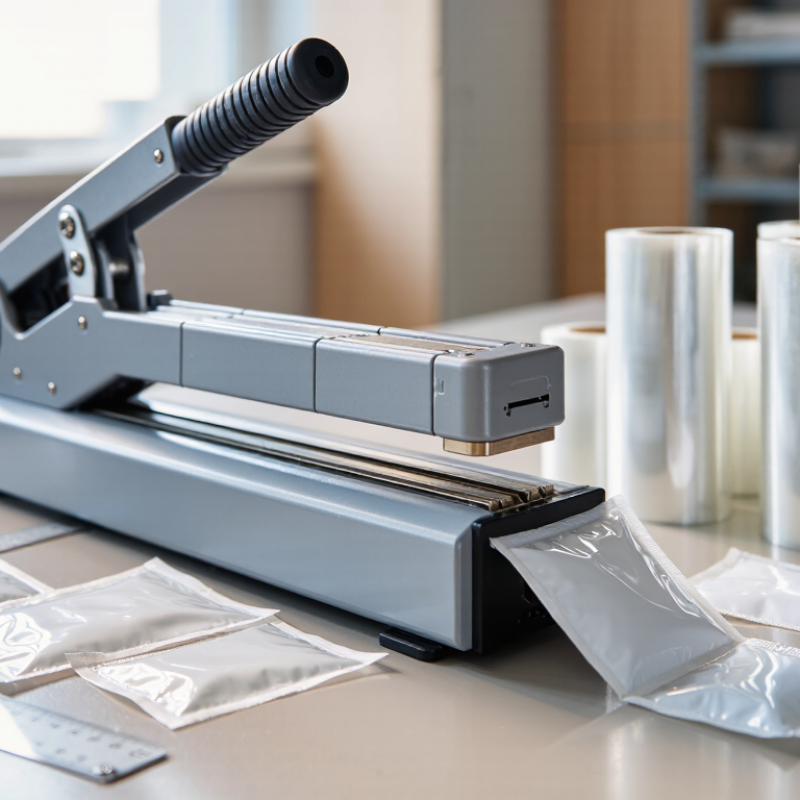
Hand heat sealers differ in how they apply heat. Impulse models warm the sealing strip only while the handles are pressed. They suit common polyethylene and polypropylene bags, and they stay relatively cool between seals. For small batches, this can save energy and reduce accidental contact with a hot bar. Constant-heat models keep their jaws warm and can work better with thicker, foil-lined, or layered materials. Always check the packaging supplier’s specifications; similar-looking films may need different settings.

A handheld clamp sealer is useful when bags are bulky or awkward to position on a bench. Jaw length matters: a short strip may not seal a wide pouch in one pass. Look for adjustable temperature or timing, a replaceable heating element, and a stable base if the machine will stay in one place. I still find it easy to focus on speed and overlook seal consistency. That can be a costly mistake.

Tips: Test with the exact bag material and thickness. Start with a low setting, then inspect the seal after it cools. Pull gently across the seam; gaps, wrinkles, or a brittle edge suggest adjustment is needed. Keep the sealing strip clean and replace worn tape. Small tests take time, but they reveal more than a product description.

Identifying Your Packaging Materials and Sealing Requirements

Before comparing hand heat sealers, identify the exact packaging material and its thickness. A clear polyethylene pouch may seal easily, while a foil-lined laminate needs different heat and pressure. Similar-looking films can behave differently. Check the supplier’s material specification, then test a sample from the actual production roll. Feel the film, but do not rely on touch alone.

Small details matter. Decide whether you need a narrow seal for lightweight pouches or a wider seal for heavier, filled bags. Note the pouch opening, expected contents, and how the package will be stored or handled. A hand sealer with adjustable heat can help when materials vary, but too much heat may wrinkle or burn the film. Too little can leave weak spots.

Make several test seals, let them cool, then inspect for gaps and gently pull the seam. Test before scaling. Even a neat-looking seal may fail under pressure, so repeat checks with the real pouch and fill weight. Record settings that work, while allowing for changes in film thickness or room conditions.

Comparing Sealing Width, Temperature Control, and Power Options

When choosing a hand heat sealer, check what “sealing width” means in the product specifications. It may describe the bar’s usable length or the fused band itself. A longer bar can seal wider bags, while a broader band may suit heavier packaging. Measure your bags, including the filled edge, before buying. Leave room for small alignment errors. They happen.

Temperature control matters because packaging films do not all soften at the same heat. An adjustable control gives you room to test, but a higher setting is not automatically better. Start with the maker’s guidance, then seal a spare piece of the same material. Look for an even seam without scorched spots, wrinkles, or gaps. A timer can improve repeatability, though film thickness and hand pressure still affect results. I would not trust one successful seal as proof; test several.

Power options shape where and how long you can work. A corded model suits a fixed packing table, but check that its voltage matches your outlet and that the cord reaches safely. A battery-powered unit offers mobility, though its runtime and charging pauses may interrupt larger batches. For frequent use, check the stated duty cycle and allow cooling when required. Convenience counts. So does consistency.

Evaluating Safety, Durability, and Ease of Maintenance

How to Choose the Best Hand Heat Sealer Machine in 2026
Evaluating Safety, Durability, and Ease of Maintenance

A reliable hand sealer should protect the operator as well as close the package. Check for an insulated grip, a stable base, and clear temperature or timer controls. The sealing bar gets hot quickly. Keep fingers clear, and confirm the machine cools safely between uses. The U.S. Bureau of Labor Statistics reported 2.4 recordable injury and illness cases per 100 full-time workers in private industry in 2023. That figure covers many kinds of work, not sealer use specifically, but it reinforces the value of sensible workplace safeguards.

Durability often comes down to parts that wear out first. Look for replaceable sealing elements and readily accessible PTFE tape, plus a housing that can handle routine cleaning. Ask how often the manufacturer recommends inspecting wiring and heating components. Simple maintenance matters. A unit that seals consistently at the lowest effective temperature can reduce unnecessary heat stress on its components. Still, easy access does not excuse unsafe repairs; disconnect power and follow the service instructions.

Tips: Before buying, seal a few samples of your actual packaging material. Check for an even seam, clean release, and no scorched edges. Record the settings—then verify them again after a busy shift.

Matching Machine Features to Your Budget and Workload

How to Choose the Best Hand Heat Sealer Machine in 2026

Match the sealer to your daily workload, not its advertised maximum speed. The U.S. Census Bureau reported that 2024 e-commerce sales reached $1.1926 trillion, or 16.1% of total retail sales. That scale makes reliable package sealing important, but a small shop may only seal dozens of bags per day. Estimate your busiest hour, then compare it with the machine’s stated cycle rate. Check the seal length against your widest pouch, and confirm compatibility with the actual film material and thickness. A 300-millimeter seal bar will not close a wider pouch neatly.

For occasional batches, a basic handheld unit may suit a modest budget. Frequent packing can justify a sturdier model, adjustable heat, and a foot switch that keeps both hands free. Ask about replacement heating elements and sealing strips; low purchase cost can hide recurring downtime. Keep a sample pouch nearby when checking seal quality. A seal that looks neat may still peel open. I would test several settings before committing—film thickness and room temperature can change results.

Tips: Record how many bags you seal in a typical shift, then test a sample batch at that pace. Leave cooling time between cycles if the manufacturer specifies it. Keep the work surface clear, and inspect seals for gaps, wrinkles, or weak edges.