10 Best Commercial Bag Sealing Machines for Global Buyers
Selecting the right commercial bag sealing machine can shape daily productivity, packaging quality, and operating costs. Global buyers face many choices. Some machines suit small workshops, while others support demanding production lines.
This guide reviews ten commercial bag sealing machine options for different industries and bag materials. The comparison considers sealing speed, temperature stability, jaw width, conveyor design, power requirements, and operator safety. It also examines compatibility with polyethylene, laminated, foil, and coated paper bags. These details matter when a seal must remain clean after transport, stacking, or warehouse handling.
The evaluation draws on manufacturer specifications, distributor information, and practical packaging considerations. A machine that seals 30 bags per minute may not suit every product. Thick powder bags can require stronger pressure and longer heating time. Lightweight film may need gentler settings. Small controls can also become frustrating during a long shift.
Service access matters too. Buyers should check spare-part availability, warranty coverage, electrical standards, and local technical support. A low purchase price can become expensive when a heating element fails overseas. Training should be simple enough for a new operator to understand beside the production line.
No ranking can fit every factory. A neat specification sheet can still hide maintenance challenges. Some performance figures depend on bag size, material, and operator experience. This guide therefore treats advertised capacity carefully and encourages buyers to request samples, videos, and written technical details before ordering. The final choice should balance reliability, output, safety, and realistic working conditions.
Commercial Bag Sealing Machines: Purpose, Types, and Core Features
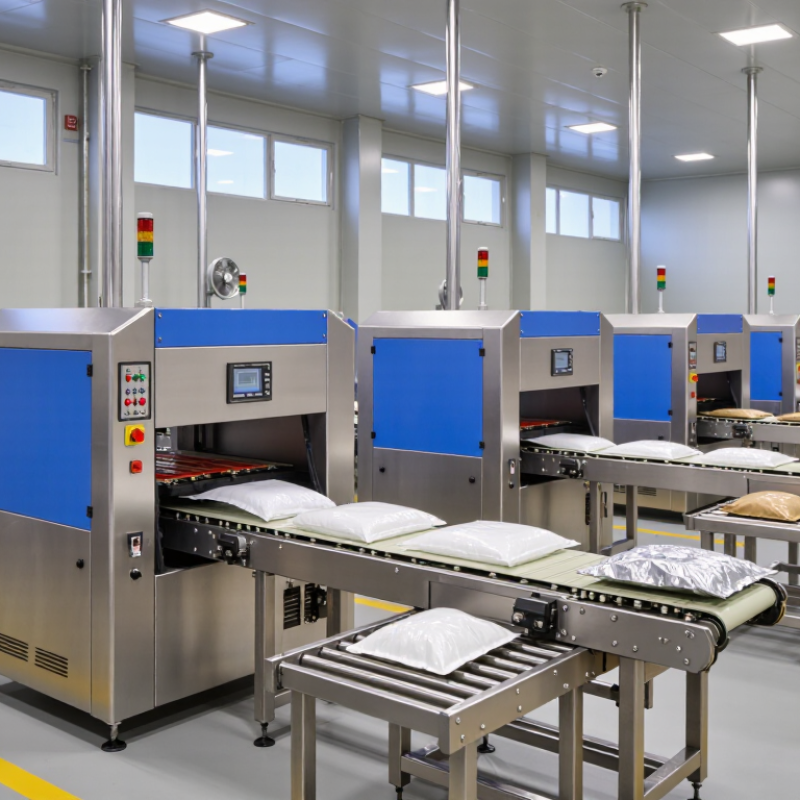
Commercial bag sealing machines close filled bags with heat, pressure, or both. They protect contents from moisture, dust, and handling damage. In a busy packing room, a reliable seal can prevent leakage and reduce product waste. The machine also gives each package a cleaner, more consistent finish.
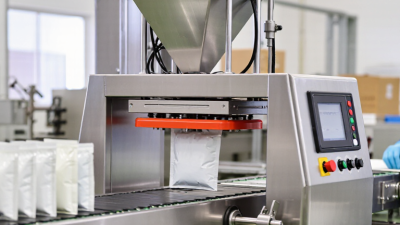
Impulse sealers suit low to medium production volumes. They heat the film only during sealing, which helps control energy use. Constant-heat sealers handle thicker laminated materials and continuous work. Band sealers move bags through a heated belt, making them practical for faster lines. Foot-operated models leave both hands free for positioning bags. This matters when workers handle heavy or uneven packages.
Core features include adjustable temperature, sealing time, conveyor speed, and cooling control. Digital displays improve repeatability, but operators still need training. A good machine should match the bag material, width, thickness, and daily output. Stainless steel surfaces simplify cleaning in demanding work areas. Replaceable heating elements and sealing belts can reduce downtime. Check electrical requirements before shipping equipment across regions. Voltage differences are easy to overlook. They should not be.
From practical testing, seal quality depends as much on preparation as machine power. A wrinkled bag mouth can create a weak channel, even at the correct temperature. Operators should keep the sealing area dry and remove product dust from the film. Testing sample bags at the start of each shift is sensible. It may feel slow. It is cheaper than discovering a leaking shipment later. Some machines offer impressive speed, yet speed alone does not prove suitability. A careful trial with real bags often reveals limitations that specifications hide.
Key Factors for Comparing Sealing Performance and Machine Quality
10 Best Commercial Bag Sealing Machines for Global Buyers
Key Factors for Comparing Sealing Performance and Machine Quality
Choosing a commercial bag sealer requires more than checking speed. In practical commissioning, unstable heat often causes wrinkled seals, burned film, and hidden leakage. Compare temperature accuracy, sealing pressure, dwell time, and seal width. A reliable machine should maintain these settings during long production runs. PMMI’s 2023 State of the Industry report valued U.S. packaging machinery shipments at approximately US$10.2 billion in 2022. That scale reflects strong demand, but not every machine offers equal quality.
Seal strength should be tested with real packaging materials. Film thickness, coating, moisture, and powder contamination can change results. Ask suppliers for peel-strength data, leak-test records, and production samples. FAO reports that about 14% of food is lost between harvest and wholesale worldwide. Weak packaging can increase that waste. This makes sealing consistency a quality issue, not merely an operating preference. A perfect-looking seal may still fail. That is easy to overlook.
Tips:
Request a factory trial using your actual bags and filling conditions. Check temperature recovery after repeated cycles. Inspect the sealing jaws for even pressure across the full width. Confirm voltage, spare-part availability, cleaning access, and operator training. I would also question impressive speed claims; they may exclude cooling time, changeovers, or rejected bags. A slower machine with stable seals can deliver better usable output.
Applications, Materials, and Industry-Specific Selection Criteria
10 Best Commercial Bag Sealing Machines for Global Buyers
Commercial bag sealers serve different production realities. Food processors often need continuous band sealers for high daily output. Small workshops may prefer impulse sealers for short runs and flexible packaging. Vacuum chamber machines suit products requiring reduced air exposure. Pharmaceutical and laboratory packaging demands cleanable surfaces, stable sealing pressure, and documented temperature control. In practice, the fastest machine is not always the most suitable choice.
Material compatibility matters. Polyethylene and polypropylene usually require different heat settings, while laminated foil pouches need stronger pressure and precise temperature control. Kraft-paper bags with inner film layers can seal well, but their outer texture may reduce consistency. Check film thickness, seal width, pouch dimensions, and line speed before comparing machines. A wide seal looks safer, yet excessive heat can deform thin film and create hidden leaks. I have seen specifications appear excellent, but operator training was overlooked.
Tips: Test real bags before purchasing. Run repeated samples at normal production speed. Inspect seals by peeling, squeezing, and checking for wrinkles. Confirm voltage, spare-part access, cleaning procedures, and service support in the destination country. A short trial often reveals more than a polished brochure. Also record failed seals, not only successful ones; those results may expose a poor temperature range or an unsuitable machine design.
International Purchasing, Safety Standards, and Maintenance Requirements
International buyers should evaluate commercial bag sealing machines beyond speed and purchase price. Confirm the required bag materials, seal width, throughput, and local electrical supply before requesting quotations. Voltage, frequency, plug type, and compressed-air needs can create expensive installation delays. A clear technical datasheet is essential.
Safety documentation deserves careful checking. Ask for test reports, conformity declarations, electrical protection details, and instructions in an understandable language. The machine should include guarded hot surfaces, stable temperature control, emergency stopping, and safe access for cleaning. Materials touching packaged goods should suit the intended application and destination requirements. These requirements differ between markets, so buyers should verify them with qualified local specialists.
Maintenance planning often determines real operating cost. Inspect sealing bars daily for residue, uneven pressure, or damaged heat-resistant tape. Clean contact surfaces with approved tools, not sharp blades. Record temperature readings and replace worn parts before seals become weak. Keep spare heaters, sensors, fuses, and sealing tape available near the production area. Small details matter.
A maintenance log supports reliable purchasing decisions because it reveals recurring faults. However, a checklist can still miss problems caused by poor operator training or unstable power. Trial sealing with actual bags is more useful than relying only on catalog figures. Buyers should request sample tests, realistic cycle data, warranty conditions, and remote technical support before approving an international order. Some machines look efficient during demonstrations, yet perform poorly with dusty film or irregular filling. That possibility deserves honest attention.
10 Best Commercial Bag Sealing Machines for Global Buyers
Representative, brand-neutral comparison of common commercial sealing formats. The values show typical sealing width or bag-opening capacity and throughput ranges used for international purchasing evaluations.
Purchasing note: Confirm voltage and frequency compatibility, CE/UL or equivalent electrical compliance, food-contact suitability where required, guarding of heated and moving parts, replacement-heater availability, and preventive-maintenance requirements before ordering. Actual performance varies with film structure, bag size, product weight, and operator workflow.