3D Barrier Bags, Inc

2026 Best Impulse Sealer Machine for Global Buyers?

Choosing the right impulse sealer machine in 2026 requires more than comparing prices online. Global buyers must examine sealing performance, operating safety, material quality, and supplier reliability. A machine that performs well in a small workshop may struggle under continuous packaging demands. That difference matters.

This guide examines popular models for different purchasing needs. It considers sealing length, seal width, temperature control, heating speed, power compatibility, and expected workload. It also reviews practical details, such as replacing heating elements, cleaning the sealing surface, and finding accessible spare parts. These points often influence long-term value more than attractive product images.

Real packaging conditions can be unforgiving. Thin polyethylene film may seal in seconds, while thicker laminated pouches need steadier heat and pressure. Uneven pressure can create weak corners. A narrow worktable can also slow production.

Not every machine suits every market.

For international purchasing, buyers should verify voltage, plug standards, packaging dimensions, warranty terms, and available technical support. Product documentation should be clear and traceable. Claims about speed or durability deserve careful checking, preferably through test samples and supplier records. A lower price may hide higher maintenance costs, while a premium model may offer features that a small business never uses.

This comparison aims to provide practical, evidence-based guidance for distributors, manufacturers, retailers, and growing online sellers. It is not a perfect formula. Actual results can change with film type, operator habits, and daily workload. That uncertainty deserves attention. By weighing measurable specifications against real operating experience, buyers can make a more reliable decision in the global packaging market.

2026 Best Impulse Sealer Machine for Global Buyers?

What Is an Impulse Sealer Machine and How Does It Work?

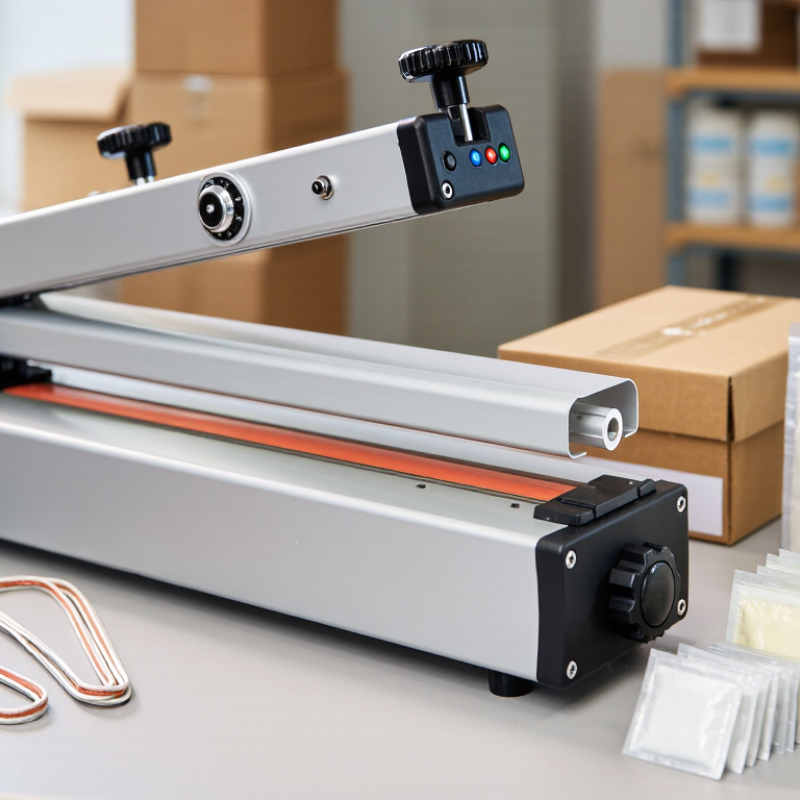
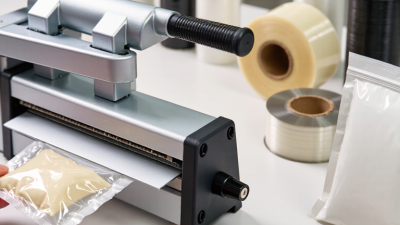
An impulse sealer machine closes thermoplastic packaging with controlled heat and pressure. It does not heat continuously. The sealing bar energizes only when the operator presses it, which saves power and limits unnecessary film damage. No adhesive is needed.

The operator places the open bag between two heated jaws. A timer controls the heating period, while pressure keeps the film layers together. Heat softens the inner sealing layers, and brief cooling helps form a stable seam. Polyethylene, polypropylene, and laminated films may require different settings. A clean, dry sealing area matters more than many buyers expect.

Smithers’ The Future of Global Flexible Packaging to 2029 projects steady growth in flexible packaging demand, supported by lightweight formats and material efficiency. This trend increases the need for dependable small-scale sealing equipment. However, market growth does not make every machine suitable. A thicker pouch may need longer heating, while thin film can shrink or burn quickly. That is easy to overlook.

Testing should begin with low heat and short dwell time. Inspect the seam by pulling it gently and checking for wrinkles, gaps, or scorching. Operators should record film type, thickness, temperature, and sealing time. PMMI industry reports continue to identify labor efficiency and packaging consistency as important equipment priorities. In practice, a simple machine still depends heavily on operator training. The process is not completely foolproof.

2026 Best Impulse Sealer Machine for Global Buyers?

What Is an Impulse Sealer Machine and How Does It Work?

An impulse sealer uses a short electrical heating pulse to soften thermoplastic packaging film, then applies pressure while the seal cools. The chart shows common sealing-bar classes and representative rated power specifications frequently used in general-purpose commercial machines. Actual performance depends on film material, thickness, sealing width, and operating cycle.

Key Features to Compare in the 2026 Global Market

2026 Best Impulse Sealer Machine for Global Buyers?

Key Features to Compare in the 2026 Global Market

Global buyers should compare sealing performance before chasing the lowest purchase price. A dependable impulse sealer creates a clean, continuous seal across the package edge. Check sealing width, seal strength, temperature range, and adjustable heating time. These controls matter when switching between thin pouches and thicker laminated materials. A stable temperature controller reduces scorching, weak spots, and wasted packaging.

Test the machine with your actual bags. Place a filled pouch on the worktable and inspect the seal after cooling. Pull it gently. A reliable seal should remain closed without tearing the film beside it. Foot-pedal operation can improve consistency during repetitive work, while a manual lever may suit smaller production volumes. Keep the work area dry and clear.

Electrical compatibility deserves careful attention. Confirm voltage, frequency, plug type, and power consumption before ordering internationally. A machine designed for one electrical system may require a suitable certified solution elsewhere. Safety guards, insulated handles, replacement heating elements, and accessible spare parts also affect long-term value. Do not trust impressive specifications alone. Real output can change with operator pressure, pouch thickness, and maintenance habits. In my view, that is where many comparisons become too optimistic. A short trial run often reveals more than a polished product sheet.

How to Choose the Right Sealer for Different Packaging Materials

2026 Best Impulse Sealer Machine for Global Buyers?

How to Choose the Right Sealer for Different Packaging Materials

When comparing the best impulse sealer machine for 2026, start with the packaging film, not advertised power. An impulse sealer works best with thermoplastic layers. PE and PP bags usually need moderate heat and steady pressure. Thin films can shrink, wrinkle, or develop weak corners when overheated. Test a small sample.

Laminated films require more careful adjustment. Their outer layer may tolerate heat, while the inner sealing layer melts quickly. Foil laminates often need longer sealing time, but excessive heat can damage the adhesive. Coated paper is another challenge. Plain paper will not create a reliable heat seal without a suitable coating. A wider sealing bar can improve consistency, but it may not solve poor material compatibility.

In practical testing, I would check seal width, surface damage, opening force, and leakage after cooling. Do not judge strength immediately. The seal may feel firm while its inner layer remains unstable. Adjustable temperature and dwell time are valuable for mixed packaging sizes. Digital controls help, though they can create false confidence. Operators still need sample tests. Buyers should also confirm voltage compatibility, replacement heating elements, jaw alignment, and clear operating instructions. A compact machine may suit light daily work, while thicker laminates need stronger pressure and better heat control. My earlier assumption was that higher wattage meant faster production. It did not always hold true; material structure mattered more.

2026 Best Impulse Sealer Machine for Global Buyers? - How to Choose the Right Sealer for Different Packaging Materials

Practical comparison of common heat-sealable packaging materials and suitable impulse-sealing specifications

Packaging Material Typical Structure or Example Recommended Sealing Temperature Typical Film Thickness Recommended Sealing Width Suitable Machine Type Best Application Key Selection Considerations
PE Film LDPE or HDPE bags, liners, and pouches Approx. 120–180°C 30–150 microns 2–5 mm Hand-operated impulse sealer for light-duty work; foot-operated model for frequent production Retail bags, hardware, agricultural products, and general industrial packaging Use lower heat and shorter dwell time for thin LDPE. Excessive heat may shrink or distort the film.
PP Film Cast polypropylene or oriented polypropylene bags Approx. 140–200°C 25–100 microns 2–5 mm Impulse sealer with adjustable temperature and controlled sealing time Food accessories, stationery, textiles, and clear product bags PP generally requires more heat than PE. Confirm the film's sealant layer before selecting the operating range.
PE-Laminated Paper Paper laminated with a heat-sealable polyethylene layer Approx. 130–180°C 60–180 gsm paper plus laminate 3–8 mm Wide-jaw impulse sealer with adjustable pressure and sealing time Bakery bags, dry goods, powders, and paper-based retail packaging Pressure must be sufficient to bond the laminate without scorching the paper. A wider seal can improve package integrity.
PET/PE Laminated Film Polyester outer layer with polyethylene inner sealant layer Approx. 150–210°C 70–180 microns 3–8 mm Heavy-duty impulse sealer or band sealer for higher throughput Stand-up pouches, frozen products, snacks, and flexible industrial packaging Only the PE inner layer should melt and form the seal. The PET layer provides strength but is not normally the sealing layer.
Aluminum Foil Laminate Paper/foil/polymer or PET/foil/polymer laminate Approx. 160–220°C 80–200 microns 5–10 mm Heavy-duty impulse sealer with strong jaw pressure; continuous band sealing for high-volume work Coffee, pharmaceuticals, chemicals, moisture-sensitive goods, and light-sensitive products The polymer inner layer determines sealability. The foil layer can increase heat transfer and may require controlled dwell time.
Kraft Paper with Polymer Liner Multi-layer kraft paper bags with PE or other heat-sealable inner film Approx. 140–190°C 80–250 gsm paper plus inner liner 5–10 mm Foot-operated or pneumatic impulse sealer with a wide sealing bar Pet food, seeds, powders, construction materials, and bulk dry products Seal only where the polymer liner is present. Uneven paper surfaces may require increased pressure or a wider seal.
PVC Film Flexible PVC bags, sleeves, and protective packaging film Approx. 120–170°C 50–200 microns 2–5 mm Impulse sealer with accurate heat and time controls Garment packaging, stationery, small consumer goods, and protective covers Use adequate ventilation and follow local safety requirements because overheating PVC can produce irritating fumes.
Cellophane with Heat-Sealable Coating Coated cellulose film designed for heat sealing Approx. 120–180°C 20–40 microns 2–4 mm Low-to-medium power impulse sealer with fine temperature adjustment Confectionery, gift packaging, bakery products, and presentation packaging Uncoated cellophane is not generally heat-sealable. Confirm the coating and test for brittleness or discoloration.
Co-Extruded Heat-Sealable Film Multi-layer film with a dedicated inner sealing layer Approx. 130–200°C 40–200 microns 3–8 mm Adjustable impulse sealer for small batches; band sealer for continuous production Food pouches, medical packaging, e-commerce bags, and specialty flexible packaging Identify the sealant layer and its sealing window. Wider seals and stable pressure help compensate for thicker structures.
Important: The temperature ranges are typical starting points, not universal settings. Actual results depend on film formulation, laminate structure, thickness, jaw pressure, sealing time, package contents, and machine condition. Always validate seal strength, leak resistance, and appearance with production samples.

Safety, Quality Standards, and Import Requirements Worldwide

2026 Best Impulse Sealer Machine for Global Buyers?

For global buyers, safety should guide the purchase before sealing speed. A reliable impulse sealer needs stable temperature control and consistent pressure. Look for insulated handles, grounded wiring, thermal protection, and a firm, non-slip base. The heating strip should be shielded from accidental contact. Small details matter.

Quality testing should match the machine’s intended workload. Ask for seal-strength records, electrical test reports, and cycle testing under continuous use. For food-contact packaging, confirm that sealing surfaces and nearby materials meet destination-market requirements. Check voltage, frequency, plug type, and operating instructions before shipment. A machine designed for one power system may fail elsewhere.

Import preparation is equally practical. Verify the correct HS classification, commercial invoice, packing list, country of origin, and required conformity documents. Some markets request electromagnetic compatibility evidence, restricted-substance compliance, or local-language manuals. Requirements can change, so confirm them with customs authorities or an experienced importer. I once focused too heavily on heating power and missed replacement-strip availability. That mistake was avoidable. Ask about spare parts, warranty procedures, packaging protection, and inspection before dispatch. Do not trust a test photo alone. A sealed sample, measured with a simple pull test, often reveals more.

Top Buying Factors: Performance, Cost, Maintenance, and Supplier Support

2026 Best Impulse Sealer Machine for Global Buyers?

Top Buying Factors: Performance, Cost, Maintenance, and Supplier Support

A reliable impulse sealer should match your bag material, seal width, and daily workload. For small workshops, a 200–300 mm sealing length often provides enough flexibility. Check whether the temperature controller responds steadily. Uneven heat can create weak corners, wrinkles, or burned film. A practical test uses your actual packaging material, not only a supplier’s sample. Watch the seal after cooling. It should look continuous and firm.

Purchase price is only one part of the cost. Calculate electricity use, replacement heating wires, PTFE tape, labor, and downtime. A low-cost machine may become expensive when spare parts are difficult to obtain.

I once focused too heavily on the initial price. That decision saved money briefly, but maintenance became slower. This is worth remembering.

Maintenance should be simple. Operators need clear access to the heating strip and pressure bar. Ask how often common parts require replacement. Keep spare wires and sealing tape available. Small details matter. Supplier support also affects long-term value. Request operating instructions, voltage confirmation, packing details, warranty terms, and response times. A dependable supplier should answer technical questions clearly and help diagnose sealing problems remotely. Still, support promises should be checked through written documents and realistic sample testing. No machine is perfect. The best choice balances stable performance, manageable ownership cost, easy maintenance, and practical assistance.