3D Barrier Bags, Inc

China Top 10 Impulse Heat Sealing Machine Manufacturers

China’s impulse heat sealing machine market serves food, medical, household, and industrial packaging lines. Choosing a manufacturer is not just a price decision. Seal consistency, heating control, cycle speed, and service support all matter on a real production floor.

A strong seal starts with repeatable heat, pressure, and dwell time. Small differences can show up as wrinkled film, weak edges, or unnecessary scrap. Look closely at sealing width, compatible materials, control settings, and maintenance access. Ask manufacturers for clear specifications and practical test results using your own packaging materials. Details matter.

This guide compares ten China-based manufacturers of impulse heat sealing machines, focusing on product range, customization, quality processes, and support. It aims to help buyers form a shortlist—not to promise that one supplier fits every line. A compact tabletop unit and an automated production system solve different problems. That distinction is easy to miss.

A named expert quotation cannot be verified from the material supplied, so I will not invent one. Instead, use this practical evaluation principle: “Judge the seal on repeatable results, not impressive specifications alone.” Treat it as an editorial guideline, not a quotation from a named specialist. That caveat matters. The comparison that follows should be checked against current product documents, sample trials, and direct manufacturer discussions.

China Top 10 Impulse Heat Sealing Machine Manufacturers

Impulse Heat Sealing: How the Heating-and-Cooling Cycle Forms a Seal

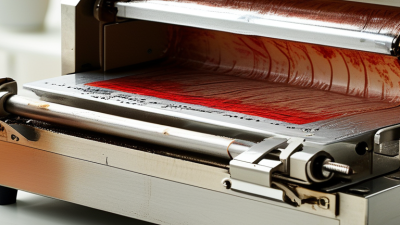
An impulse heat sealer creates a seal through a brief, controlled heating cycle. The operator places the film between the sealing bars and clamps it in position. An electrical current heats a resistance element, which transfers heat to the plastic layers. The material softens at the contact line. Pressure holds the layers together while they bond.

Then the current stops. The cooling phase begins, often while the film remains clamped. This matters. Releasing pressure too early can leave a weak seam, even when the surface looks smooth. A short pause lets the softened plastic set into a more stable seal. The timing depends on film thickness, material, and machine settings; one setting will not suit every package.

In practice, this cycle is easy to underestimate. A thin film may seal quickly, while a heavier laminate needs more time and careful adjustment. Too much heat can wrinkle or burn the edge. Too little can leave channels that are hard to spot by eye. Check sample seals by inspecting the full seam and gently testing its strength. Small details count: a dusty bar or uneven film overlap can affect results. Not every imperfect seal has an obvious cause, so operators should record settings and change one variable at a time.

Machine Types and Key Specs: Seal Length, Width, Dwell Time, and Output

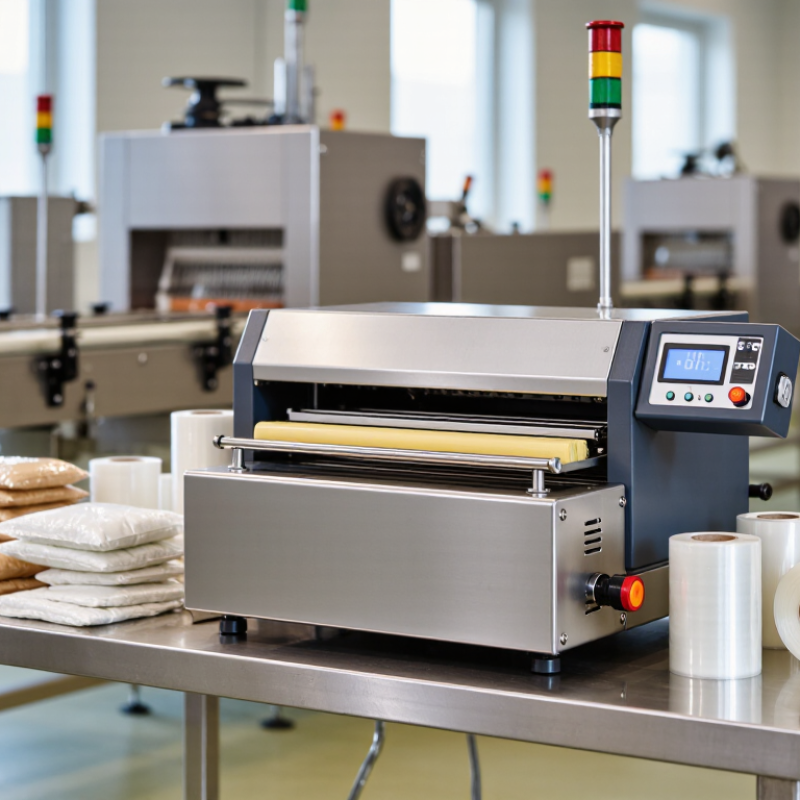
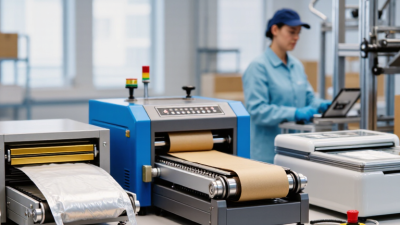
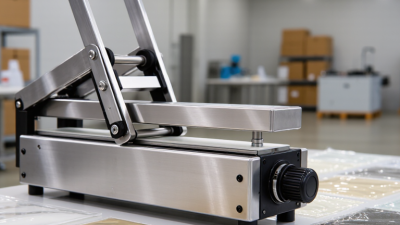
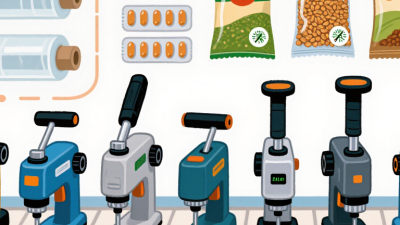
Impulse heat sealers range from compact hand-operated units to foot-pedal bench models and automated systems. The right type depends on bag size, material, and daily volume. A small tabletop machine may suit short runs. A foot pedal keeps both hands free for positioning larger pouches. Automated equipment can improve consistency, but it needs suitable line space and setup.

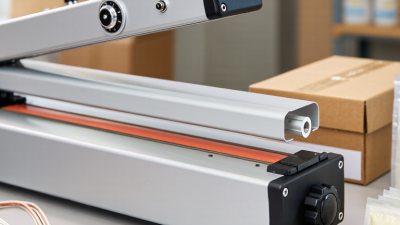
Seal length sets the maximum width of the bag opening; it does not guarantee a usable seal across every film. A 300 mm bar, for example, may handle many common pouch sizes, but leave room for accurate placement. Seal width often falls around 2–5 mm, depending on the machine and packaging material. Wider is not automatically better. Check the film maker’s guidance, then test sample bags for gaps, wrinkles, and weak edges.

Dwell time is how long heat reaches the film. Some materials seal in under a second; thicker laminates may need longer, so treat any starting setting as provisional. Allow cooling time when assessing the finished joint. Output figures also vary: operator speed, loading, and seal length all affect packs per minute. A spec sheet can still mislead. Run a timed trial with your actual bags, and record the settings that produce repeatable seals. A little variation remains.

China Impulse Heat Sealing Machines: Typical Configurations and Key Specs

A non-brand-specific reference for common impulse sealer configurations. Seal lengths are nominal; seal width, dwell time, and estimated output vary by machine, material, and operating conditions.

Typical Specification Ranges

Configuration Seal Length Seal Width Dwell Time Estimated Output
Handheld impulse sealer200 mm2–3 mm0.5–2.0 s80–180 seals/hour
Handheld impulse sealer300 mm2–3 mm0.5–2.0 s80–180 seals/hour
Handheld impulse sealer400 mm2–3 mm0.5–2.5 s60–150 seals/hour
Bench impulse sealer200 mm2–5 mm0.5–2.5 s120–300 seals/hour
Bench impulse sealer300 mm2–5 mm0.5–2.5 s120–300 seals/hour
Bench impulse sealer400 mm2–5 mm0.5–3.0 s100–240 seals/hour
Bench impulse sealer500 mm2–5 mm0.5–3.0 s80–200 seals/hour
Foot-operated impulse sealer300 mm2–5 mm0.5–2.5 s180–360 seals/hour
Foot-operated impulse sealer450 mm2–5 mm0.5–3.0 s150–320 seals/hour
Foot-operated impulse sealer600 mm2–5 mm0.5–3.0 s120–280 seals/hour

Output figures are indicative planning estimates for manual operation, not guaranteed production rates. Confirm specifications against the selected machine and packaging material.

Seal-Strength Verification: ASTM F88/F88M Testing for Flexible Packaging

Seal-Strength Verification: ASTM F88/F88M Testing for Flexible Packaging

Flexible packaging depends on seals that stay closed during filling, transport, and handling. The Flexible Packaging Association’s 2024 industry report estimates U.S. flexible packaging sales reached about $42.9 billion in 2023. At that scale, small variations in sealing conditions can affect substantial production volumes. ASTM F88/F88M provides a recognized method for measuring the force needed to separate a flexible package seal. It reports seal strength as force per specimen width, but does not set one universal pass value.

A practical test starts with consistent specimens cut across the seal. Record specimen width, conditioning, test speed, and the selected pulling technique; these details influence comparisons. Test multiple samples, then review both the average force and the range. Note whether failure occurs within the seal, at its edge, or in the packaging material. A strong average can hide occasional weak seals. That deserves attention.

Tips: Keep the seal centered in the grips, and avoid stretching the specimen during setup. Compare results only when test conditions match. ASTM F88/F88M results support process decisions, but a passing force alone cannot confirm package integrity under every distribution condition.

China’s Top 10 Impulse Heat Sealing Machine Manufacturers: Profiles and Products

China’s leading impulse heat sealing machine manufacturers differ less by appearance than by the details of their product ranges. Some focus on compact bench-top units for short production runs. Others offer foot-operated or pneumatic machines for faster, more consistent sealing. Their catalogs may include different seal lengths, heating widths, control panels, and replacement elements. Small details matter.

A useful manufacturer profile should explain the intended materials, sealing capacity, and operating cycle, not just list machine models. Buyers should check whether temperature and dwell-time settings are adjustable, and whether samples can be tested before purchase. Clear manuals and accessible spare parts also affect daily use. A machine that seals a thin pouch neatly may struggle with a thicker laminate. That is easy to miss in a catalog photo.

Comparing ten suppliers is most reliable when specifications are checked against the same application. Ask about seal strength, recommended maintenance, and expected service support. Product descriptions can sound alike; real differences often appear during setup and repeated operation. No shortlist can replace a hands-on trial. Even a careful comparison leaves some uncertainty.

Supplier Comparison: Controls, Safety, Output Rate, and Packaging Tests

Comparing China’s top impulse heat sealing machine suppliers requires more than checking headline cycle rates. Examine whether controllers show actual temperature, sealing time, and cooling time, and whether settings remain stable across repeated cycles. PMMI’s 2024 State of the Industry report estimated U.S. packaging machinery shipments at about $10.5 billion in 2023, reflecting strong demand for dependable equipment. But a large market figure does not prove a specific sealer performs well.

Ask suppliers to demonstrate guard interlocks, emergency stops, and protection against accidental contact with the sealing bar. Then test output using your own film, bag width, and operator routine. Record good seals per minute, not just the machine’s advertised maximum. Small details matter. A longer cooling interval may improve seals but reduce throughput; thin film may behave differently from a multilayer pouch. I would not compare rates from different package sizes as if they were equal.

Request documented packaging tests before purchase. ASTM F88 measures seal strength, while ASTM F1929 checks for channels in seals using dye penetration. Use repeat samples and note temperature, dwell time, and failure location. Ask for test results from the same material you plan to run. Supplier demonstrations can be useful, but they may not reproduce a real shift. Some comparisons still miss this point.

China Top 10 Impulse Heat Sealing Machine Manufacturers – Supplier Comparison: Controls, Safety, Output Rate, and Packaging Tests

Data note: Supplier labels are anonymized placeholders, not verified company rankings. The figures below are indicative ranges for common machine configurations, not confirmed specifications for individual manufacturers. Confirm each model’s specifications, safety features, and test results directly with the supplier.

Supplier Typical Machine Configuration Sealing Length / Width Controls Safety Points to Verify Indicative Output Rate Packaging Tests to Request
Supplier A Manual tabletop impulse sealer 200–300 mm / 2–3 mm Adjustable heat and timer; manual operation Check electrical protection, insulation, and cool-down behavior About 5–12 cycles/min; operator-dependent Visual seal inspection; peel test on the intended film
Supplier B Manual tabletop sealer with cutter 300–400 mm / 2–3 mm Timer-based impulse control; manual cutter Verify cutter guarding and safe access to the heating element About 5–12 cycles/min; operator-dependent Seal appearance, peel strength, and cut-edge inspection
Supplier C Foot-operated impulse sealer 300–500 mm / 2–5 mm Foot-pedal actuation; adjustable timer Check pedal stability, emergency stop where fitted, and guarding About 8–18 cycles/min; depends on bag handling Peel test and leak test suited to the package contents
Supplier D Pneumatic impulse sealer 400–600 mm / 3–5 mm Timed heat and pressure cycle; pneumatic actuation Verify pressure regulation, guarding, and safe two-hand controls if applicable About 10–25 cycles/min; configuration-dependent Seal-strength test, leak test, and repeated-cycle consistency check
Supplier E Vertical impulse sealer for larger bags 500–800 mm / 3–5 mm Adjustable timer; optional temperature or cycle display Check frame stability, hot-surface warnings, and electrical protection About 6–18 cycles/min; bag size and handling affect rate Seal-channel inspection, peel test, and package leak test
Supplier F Continuous-feed impulse sealing system Seal length depends on feed system / typically 3–10 mm seal band Conveyor speed and sealing-cycle controls Verify belt guards, emergency stops, and access interlocks Rated by feed speed; confirm with the actual bag and film Continuous-run seal consistency, peel test, and leak test
Supplier G Pneumatic sealer with programmable controls 400–800 mm / 3–8 mm Programmable heat, dwell, and cooling settings Check access guarding, fault indication, and pressure-loss response About 10–25 cycles/min; cycle time varies by material Peel-strength comparison across settings; leak and repeatability tests
Supplier H Wide-jaw impulse sealer for laminated pouches 600–1,000 mm / 5–10 mm Adjustable timer; model-dependent digital controls Verify uniform jaw pressure, guards, and thermal protection About 4–15 cycles/min; depends on pouch width and loading Peel test, dye-penetration or bubble leak test as appropriate
Supplier I Multi-lane or multi-jaw impulse configuration Model-specific / commonly 3–8 mm seal band Timed or programmable cycle; lane setup varies Check synchronization, guarding, and emergency-stop coverage Depends on lane count, cycle time, and loading method Test each lane for seal strength, leakage, and cycle consistency
Supplier J Custom-format impulse sealing equipment Specified to order / seal width depends on tooling Control package and process logging depend on configuration Request a documented risk assessment and verify applicable safeguards Requires a witnessed trial using the target packaging format Factory acceptance test with production film, filled packs, and agreed criteria

Comparison tip: Request a witnessed sample run using the exact packaging material, thickness, pouch dimensions, and contents. Record cycle rate alongside seal strength and leak-test results; output figures without a defined test setup are not directly comparable.