| 1 |
Handheld impulse sealer |
Hand-pressed jaws; the heating element warms during the sealing cycle. |
About 200–300 mm |
Usually a narrow seal, around 2–3 mm |
Compact option for small batches, repair work, and flexible packaging stations. |
Check grip comfort, power supply, and the recommended sealing time for the film. |
| 2 |
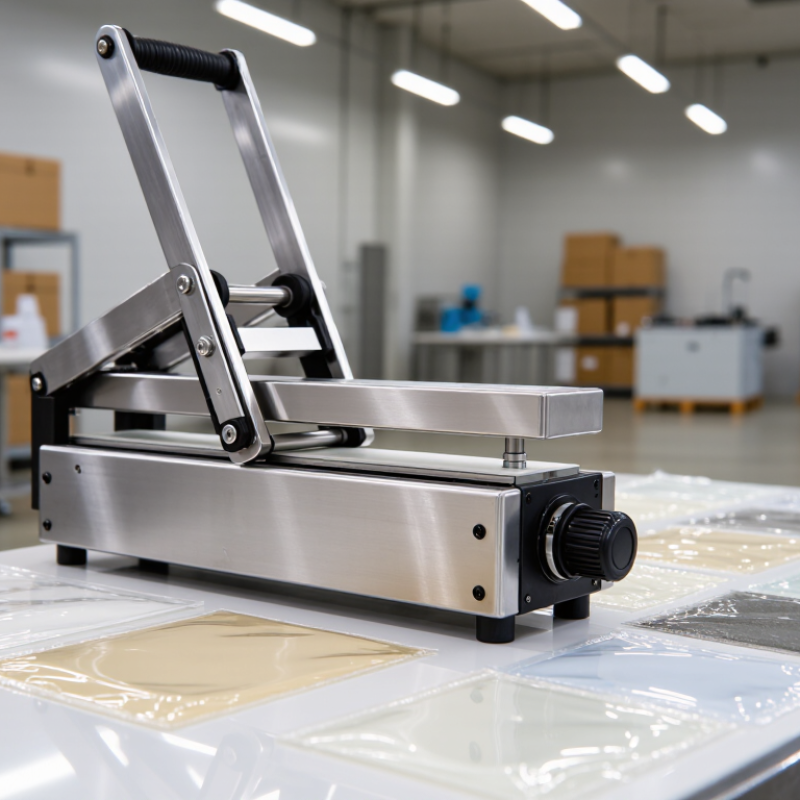
Tabletop impulse sealer |
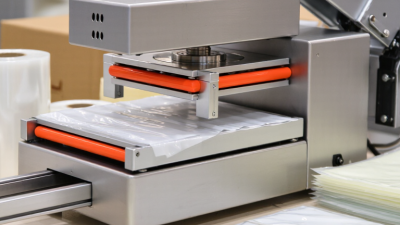
A bench-mounted arm presses the bag against an impulse-heated sealing strip. |
Common options range from about 200–500 mm |
Often around 2–5 mm |
General-purpose choice for repeat sealing of heat-sealable plastic bags. |
Match the bar length to the widest bag and allow room for the operator’s hands. |
| 3 |
Foot-pedal impulse sealer |
A foot pedal activates the sealing cycle while the operator positions the bag by hand. |
Common options range from about 300–600 mm |
Typically around 2–5 mm |
Useful when frequent sealing or hands-free activation improves workflow. |
Consider pedal placement, stand stability, and available operator workspace. |
| 4 |
Single-sided impulse sealer |
Heat is applied from one side of the sealing area during a timed pulse. |
Common options range from about 200–500 mm |
Often around 2–5 mm |
A widely used configuration for many thin, compatible thermoplastic films. |
Verify that the bag structure can be sealed with one-sided heating. |
| 5 |
Double-sided impulse sealer |
Opposing heated elements apply heat from both sides of the seal. |
Model-dependent; commonly about 200–600 mm |
May be wider than standard single-sided seals; check the model specification. |
Can be considered for thicker or multi-layer materials that need heat from both sides. |
Test the actual laminate to confirm seal strength and avoid overheating. |
| 6 |
Manual constant-heat clamp sealer |
Heated jaws maintain a set temperature; the operator closes the clamp manually. |
Varies by jaw design; compact and longer-bar models are available. |
Varies by model and jaw profile. |
Used for compatible materials that require continuous heat rather than a brief impulse. |
Confirm material requirements, temperature control, and warm-up time. |
| 7 |
Impulse sealer with built-in cutter |
Impulse sealing is combined with a sliding or integrated cutting mechanism. |
Common options range from about 200–500 mm |
Often around 2–5 mm |
Can seal and trim excess film in one workstation, depending on the design. |
Check cutter access, blade replacement, and whether trimming is needed for every bag. |
| 8 |
Wide-seal manual impulse sealer |
Manual clamping with a wider heated sealing surface than a standard narrow-bar model. |
Varies by model; offered in several bar lengths. |
Wider profiles are model-specific; confirm the stated seal width. |
A wider seal may suit packaging designs that call for a broader closure area. |
Assess the required seal width and test the finished seal for consistency. |
| 9 |
Long-bar manual impulse sealer |
A manually operated sealing arm with an extended heating bar. |
Longer models may reach about 600 mm; confirm availability by model. |
Usually specified by the individual model. |
Suitable for wider bags or products needing a longer straight seal. |
Check bar alignment and even pressure across the full sealing length. |
| 10 |
Compact portable manual sealer |
Lightweight handheld or compact tabletop format; heating method depends on model. |
Usually designed for short or medium bag openings. |
Model-dependent; check the product specification. |
Useful where the sealer must be moved between work areas or stored between jobs. |
Prioritize safe handling, replacement-part access, and compatibility with the intended film. |