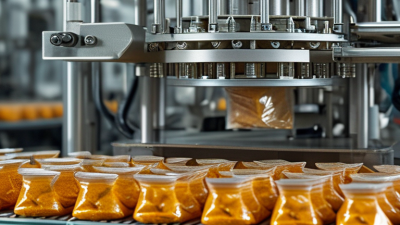
How to Choose the Best Bag Sealer Machine?
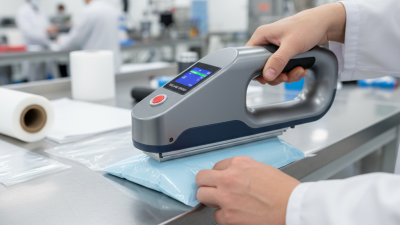
Choosing the right bag sealer machine can influence product freshness, packaging speed, and daily operating costs. I have seen small packaging teams lose time because a machine looked powerful but handled thin bags poorly. The correct choice starts with the material, bag size, sealing width, and expected production volume.
A reliable machine should create even seals without scorching film edges or leaving weak corners. Check its temperature range, heat-up time, conveyor design, and adjustment controls. For busy workspaces, stainless steel construction and easy-to-clean surfaces can support safer, more consistent operation. A foot pedal may reduce hand fatigue, while an automatic model can improve output during long shifts. Not every feature is necessary.
Consider polyethylene, laminated film, aluminum-lined bags, or other approved packaging materials before comparing models. Each material may require different heat and pressure settings. Request sample testing from the supplier, and inspect seals after cooling. Pull gently across the seam. Look for wrinkles, gaps, or melted edges.
Independent reviews, technical specifications, warranty terms, and available replacement parts also deserve attention. A low purchase price can become expensive when heating elements or controllers are difficult to source. Verify electrical requirements and operating guidance with qualified personnel. Safety guards and stable temperature control matter more than impressive advertising claims.
There is no perfect choice. I would recheck the decision after real production trials, because laboratory performance may not match a dusty, crowded packing bench. Compare total ownership cost, operator skill, and maintenance needs. The best bag sealer machine is the one that delivers dependable seals for your materials, workflow, and quality expectations.
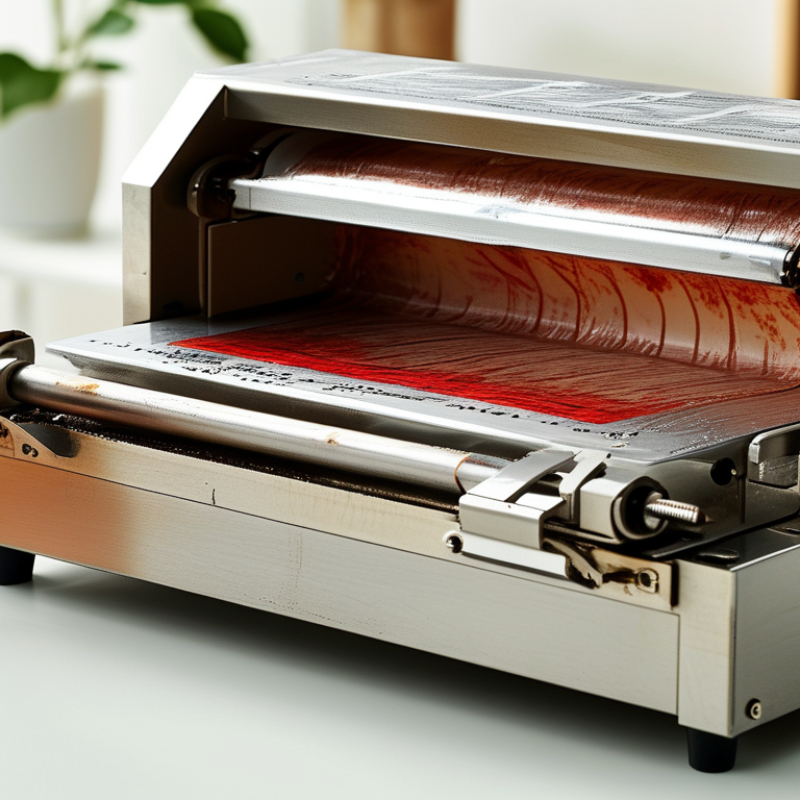
Define Bag Sealer Types: Impulse, Constant-Heat, and Continuous-Band Models
Choosing a bag sealer starts with the film, not the machine’s advertised speed. Impulse sealers heat only when the jaws close. They suit small batches, polyethylene bags, and occasional packing. The seal cools immediately after release. That matters near a busy worktable. However, thin films can wrinkle when pressure is uneven. Very simple machines. Yet simple does not mean foolproof.
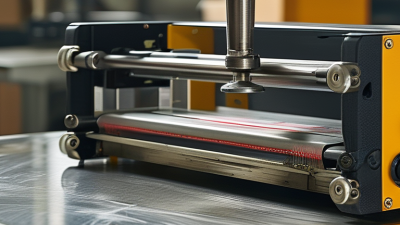
Constant-heat sealers keep both jaws warm during operation. They handle coated films, thicker laminates, and materials needing steady heat penetration. Use them when seal strength matters more than a low purchase price. Watch the temperature closely. Excess heat can distort the film or weaken its inner layer. Continuous-band models move bags through heated belts and cooling sections. They support higher output and consistent spacing. Vertical versions often suit powders or liquids, while horizontal units suit dry products. Product residue can still affect the seal.
Before choosing, test samples with the actual bag material and fill level. Record temperature, dwell time, pressure, and belt speed. Then perform peel checks and simple leak tests. A neat seal can still fail. This is where many buying decisions go wrong. I would question claims based only on maximum speed. A slower, stable seal may reduce waste and rework. Leave time for maintenance and operator training. Recheck stored samples after 24 hours and after temperature changes.
Match Film Structure, Thickness, and Seal Temperature to Machine Capability
How to Choose the Best Bag Sealer Machine?
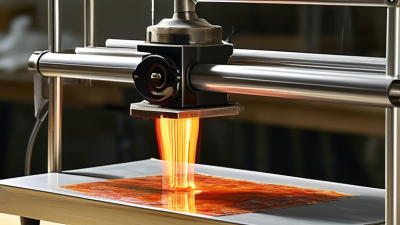
Match the film structure, thickness, and seal temperature to the machine’s capability. The inner sealing layer matters most. Polyethylene, polypropylene, coated paper, and laminated films soften at different temperatures. A sealer designed for thin polyethylene may struggle with a thick, foil-based laminate. It may also leave weak or uneven seals.
Measure the total film thickness before choosing equipment. Thicker material usually needs higher heat, stronger pressure, or longer dwell time. Check the machine’s temperature range, sealing width, pressure adjustment, and conveyor speed. A practical test helps more than a catalog description. Seal several sample bags, then pull the joint by hand. Look for clean separation, wrinkles, burned edges, or unsealed corners.
Start with a lower temperature.
Increase heat gradually.
In production trials, I have seen operators blame the machine when moisture or dust contaminated the sealing area. Film tension can also create crooked seals. Keep the film flat and align the bag opening before sealing. Record temperature, speed, and pressure for each material. This creates a repeatable setup and supports quality checks. Still, no setting is permanent. Film suppliers may change layer thickness or coating behavior, so test new batches again. A slightly slower setting may produce a stronger seal, although it can reduce output. That trade-off deserves careful review.
Compare Throughput: 8–20 m/min for Typical Continuous Band Sealers
How to Choose the Best Bag Sealer Machine?
Throughput is a practical starting point when selecting a bag sealer machine. Typical continuous band sealers process about 8–20 meters per minute. This range suits many small and medium packaging operations. However, the highest number is not always the best choice. Product size, film thickness, operator handling, and sealing temperature can reduce actual speed.
A machine running at 20 m/min may slow down when bags need careful alignment. Heavy contents can also create uneven feeding near the sealing area. In daily use, stable sealing often matters more than impressive maximum throughput. Check the seal width, temperature control, conveyor adjustment, and motor performance. Ask for test results using your actual bag material. A short trial can reveal problems that a specification sheet misses. I have seen fast machines lose time through repeated adjustments. That is an easy detail to overlook.
Tips: Measure your real bag flow for one hour. Record pauses, rejected seals, and operator changes. Then compare the result with the machine’s rated speed. Leave a small capacity margin for busy periods. Do not size equipment only for today’s workload. A slower setting may produce cleaner seals and fewer damaged bags. Test both empty and filled bags, because their feeding behavior can differ. Also review cleaning access and routine maintenance requirements. These details affect reliable throughput over months, not just during a demonstration.
How to Choose the Best Bag Sealer Machine? - Compare Throughput: 8–20 m/min for Typical Continuous Band Sealers
| Sealer Configuration |
Typical Throughput |
Recommended Bag Materials |
Suitable Bag Weight |
Seal Width |
Temperature Range |
Conveyor Load |
Best Use Case |
| Horizontal Standard Band Sealer |
8–12 m/min |
PE, PP, laminated films |
Up to 5 kg |
6–12 mm |
0–300°C |
Up to 5 kg |
General dry foods, powders, seeds and small retail packages |
| Horizontal Heavy-Duty Band Sealer |
10–16 m/min |
PE, PP, woven laminated bags |
Up to 15 kg |
8–15 mm |
0–300°C |
Up to 15 kg |
Bulk powders, agricultural products and heavier flexible bags |
| Vertical Band Sealer |
8–14 m/min |
PE, PP, laminated and coated films |
Up to 10 kg |
6–12 mm |
0–300°C |
Up to 10 kg |
Liquids, sauces and products that should remain upright during sealing |
| High-Speed Continuous Band Sealer |
16–20 m/min |
Heat-sealable PE, PP and multilayer films |
Up to 5 kg |
6–12 mm |
0–300°C |
Up to 5 kg |
High-volume packaging lines with consistent bag size and operator feeding |
Selection note: Actual throughput depends on bag spacing, product weight, film thickness, seal temperature, conveyor loading and operator handling. The listed speeds represent typical operating ranges for continuous band sealing applications rather than guaranteed production rates.
Verify Seal Quality Using ASTM F88 and ASTM F2029 Test Methods
Choosing the best bag sealer machine starts with measurable seal performance, not appearance. Smithers’ 2024 flexible packaging forecast estimates the market will exceed US$350 billion by 2028. That scale increases pressure on converters to control every seal.
ASTM F88/F88M measures seal strength by separating sealed layers under controlled conditions. Record the average force, failure mode, and variation across samples. Test the seal’s center, corners, and transition areas. A strong average can hide weak edges.
ASTM F2029 evaluates heat-sealability across temperature, pressure, and dwell-time ranges. Use it when selecting a machine or setting production parameters. Create a small process window, then repeat tests after startup, changeovers, and material-lot changes. The result should show stable performance, not one perfect sample.
Keep the samples identifiable. Note film structure, seal width, jaw temperature, pressure, dwell time, and cooling conditions. Testing laboratories commonly report force in N/15 mm or N/25.4 mm, so define the width clearly before comparing results. ASTM F88 results are not automatically package-integrity results; puncture, leakage, and distribution tests may still be necessary.
One practical weakness is operator influence. Misaligned film can distort results. Dirty jaws can mimic poor material quality. Review the failed samples visually, because the number alone is incomplete. Choose a sealer that supports repeatable temperature control, consistent pressure, accessible records, and easy verification against ASTM F88 and F2029.
How to Choose the Best Bag Sealer Machine?
Verify Seal Quality Using ASTM F88 and ASTM F2029 Test Methods
This example dataset shows how seal strength can change with sealing temperature and dwell time. Seal strength is reported in N/15 mm, a commonly used unit for ASTM F88 testing. ASTM F2029 is used to produce heat-sealability data across a range of sealing conditions, while ASTM F88 is used to measure the resulting seal strength. The standards do not define one universal pass/fail value, so acceptance limits should be established for the specific package, material, and application.
The plotted values are illustrative laboratory-style data for chart demonstration. Replace them with measured results from your own ASTM F88 and ASTM F2029 test program when comparing bag sealer machines.