| Product Application Fit |
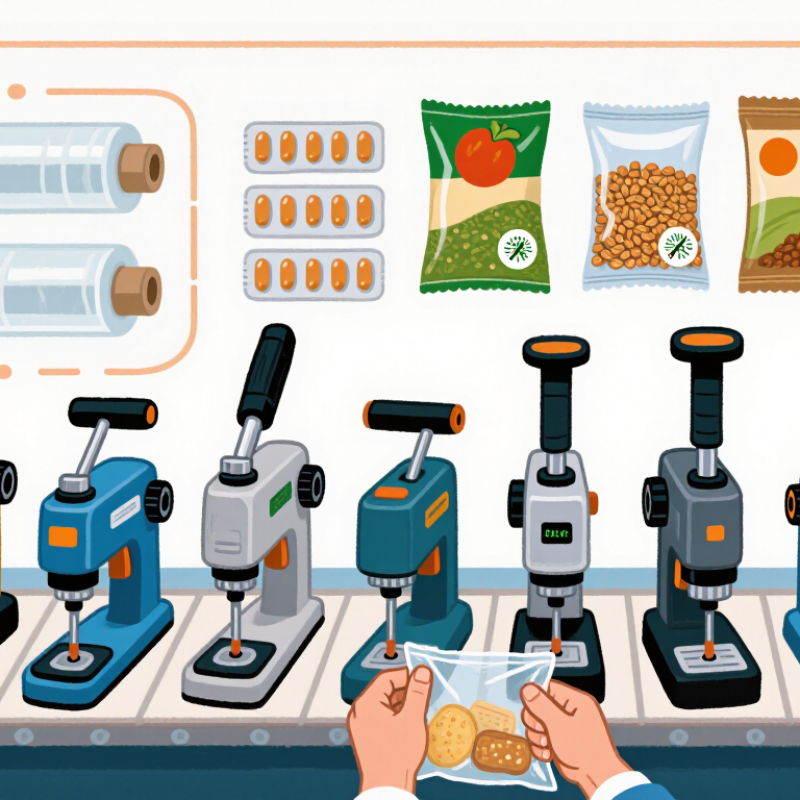
Compatibility with polyethylene, polypropylene, laminated films, foil-lined bags, and other intended packaging materials. |
Material compatibility chart, sample-sealing records, and test samples using the buyer’s actual packaging. |
Require successful sealing tests on production materials before purchase approval. |
15% |
| Sealing Performance |
Sealing width, temperature stability, sealing time, joint strength, and consistency across repeated cycles. |
Technical datasheet, temperature-control specifications, production test report, and repeatability results. |
Compare models using the same film, bag thickness, operator method, and cycle count. |
15% |
| Electrical Compatibility |
Rated voltage, frequency, plug configuration, grounding, insulation, and protection against electrical hazards. |
Nameplate photo, wiring diagram, electrical test report, and destination-market compliance documentation. |
Confirm compatibility with the destination supply, such as 100–127 V or 220–240 V, and 50/60 Hz where applicable. |
10% |
| Safety Design |
Heat protection, insulated handles, guarded heating elements, stable base or support, and safe operating instructions. |
Risk assessment, user manual, safety test records, product photographs, and corrective-action history. |
Reject products with exposed energized parts, unclear warnings, or incomplete operating instructions. |
10% |
| Quality Management |
Control of incoming materials, assembly, calibration, final inspection, nonconforming products, and traceability. |
Current quality-management certificate, inspection plans, batch records, and internal quality procedures. |
An ISO 9001 certificate can support evaluation, but its scope, validity, and issuing body should be verified independently. |
10% |
| Compliance for Target Market |
Applicable product-safety, electromagnetic-compatibility, labeling, packaging, and import requirements. |
Declaration of conformity where required, test reports, technical file index, labels, and user documentation. |
Compliance must be assessed against the destination market; a generic certificate or logo alone is insufficient. |
10% |
| Factory Verification |
Whether the supplier controls production directly and maintains suitable assembly, testing, storage, and inspection areas. |
Recent factory-audit report, business registration details, facility photographs, production-flow records, and video or on-site verification. |
Match the legal entity, production address, certificates, quotations, and bank-account information before contracting. |
8% |
| Customization Capability |
Ability to modify voltage, plug, sealing length, temperature control, handle design, packaging, labeling, or documentation. |
Engineering-change procedure, approved drawings, prototype records, minimum order quantity, and tooling quotation. |
Require written confirmation of specifications, sample approval, and change-control responsibilities before mass production. |
6% |
| After-Sales Support |
Availability of replacement heating elements, cutting blades, temperature controllers, manuals, and troubleshooting support. |
Spare-parts list, service procedure, warranty terms, response-time commitment, and technical-support contacts. |
Prefer defined warranty coverage and documented spare-parts availability rather than informal verbal promises. |
6% |
| Delivery and Capacity |
Production lead time, monthly capacity, component availability, peak-season planning, and order-fulfillment history. |
Capacity statement, production schedule, sample lead-time record, shipment history, and written delivery commitment. |
Validate quoted lead time with a pilot order before relying on it for regular supply. |
5% |
| Total Cost of Ownership |
Unit price, tooling, packaging, freight, duties, spare parts, energy use, maintenance, and expected replacement frequency. |
Itemized quotation, Incoterms, packaging specification, spare-parts pricing, and warranty-cost assumptions. |
Compare landed cost and operating risk instead of selecting solely on the lowest purchase price. |
5% |