3D Barrier Bags, Inc

What Is a Continuous Heat Sealer Machine?

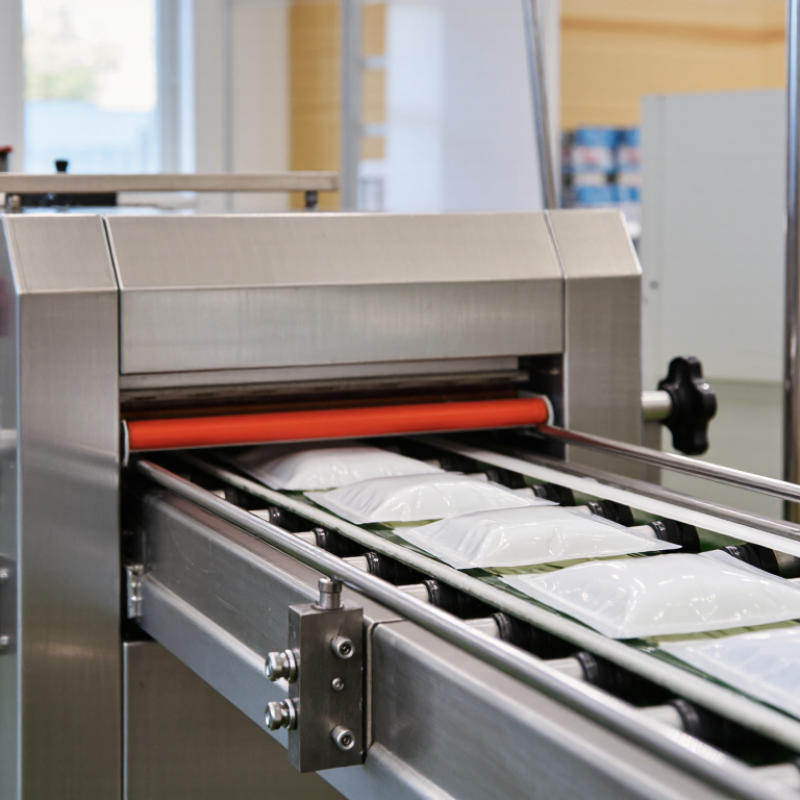
A continuous heat sealer machine closes compatible bags and pouches as they move along a production line. Unlike a hand-operated sealer, it feeds packages past heated belts or sealing bands. Heat, pressure, and contact time fuse the material’s inner layers. The result is a repeatable seam, provided the film and settings are suitable. That sounds simple. In practice, a small change in line speed can affect seal strength.

Grand View Research’s Packaging Machinery Market report estimated the global market at USD 45.9 billion in 2023, with projected annual growth of 4.8% from 2024 to 2030. This figure covers many machine types, not continuous heat sealers alone. It offers useful context, but should not be mistaken for a sealer-specific demand forecast. For operators, the practical questions are more immediate: Can the machine handle the bag material, package size, and required output? Can staff check seals without slowing the line? A pouch may look closed while still having a weak or uneven seam. That detail matters.

This guide explains how a continuous heat sealer machine works, where it fits, and which features deserve attention. We will look at sealing belts, temperature control, conveyor speed, and routine checks. We will also consider limitations. Not every film seals well with every machine, and faster operation is not always better. A test run with the actual packaging material is a sensible starting point. Manufacturers’ specifications help, but production conditions can tell a different story.

What Is a Continuous Heat Sealer Machine?

Definition and Purpose of a Continuous Heat Sealer Machine

What Is a Continuous Heat Sealer Machine?

Definition and Purpose of a Continuous Heat Sealer Machine

A continuous heat sealer closes thermoplastic bags or pouches as they move through a sealing zone. Heated belts or rollers apply controlled heat and pressure to the film edges, forming a continuous seam without stopping for each package. This makes the machine useful for steady runs of filled bags, such as those holding snacks, powders, or small components. Not magic. It works best when packaging materials and pack dimensions remain consistent.

Its purpose is to create repeatable closures while reducing manual handling and supporting faster production. Operators must adjust temperature, pressure, and belt speed to suit the film. Too much heat may wrinkle or damage a seal; too little can leave a weak seam. PMMI’s 2023 State of the Industry report put U.S. packaging machinery shipments at about $10.9 billion in 2022, up 5.8% from 2021. That figure covers packaging machinery broadly, not continuous heat sealers alone. A useful distinction. In practice, teams should test seal strength on actual packages and repeat checks after changing film, speed, or product conditions. A seam can look tidy and still leak.

What Is a Continuous Heat Sealer Machine?

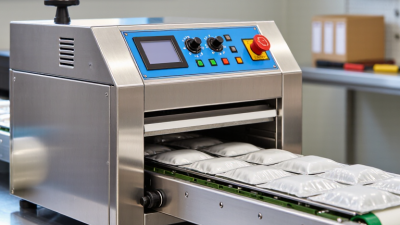
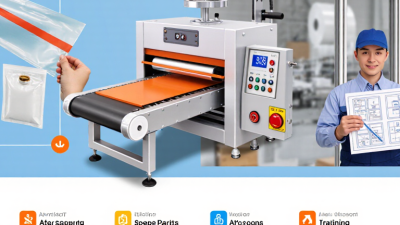
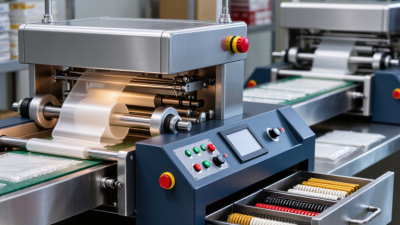
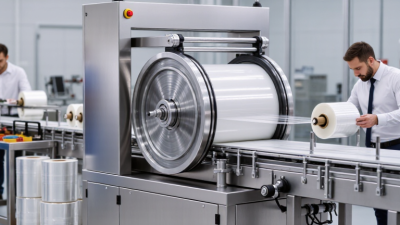
A continuous heat sealer moves packaging material through heated sealing bands, applying heat and pressure to create a sealed seam as the material travels.

This schematic shows operating states, not measured values. The conveyor keeps moving while the package passes through the heating and pressure zones; the finished seal then cools before discharge.

Main Components and Their Functions

What Is a Continuous Heat Sealer Machine?
Main Components and Their Functions

A continuous heat sealer moves bags through a heated sealing path instead of stopping for each seal. The conveyor sets the pace and supports the package as it travels. Heated blocks or bands soften the bag’s inner sealant layer. Pressure belts or rollers then press the layers together. A cooling section helps the seam set before the package exits. Heat alone isn’t enough.

Temperature, speed, and pressure controls work as a system. Sensors can monitor temperature and belt movement, helping operators spot drift before seals become weak or wrinkled. Grand View Research’s Packaging Machinery Market Size, Share & Trends Analysis Report estimated the global packaging machinery market at USD 45.4 billion in 2023, with a projected 5.3% compound annual growth rate from 2024 to 2030. This broad market figure is not specific to heat sealers, but it reflects ongoing investment in packaging equipment. In practice, even a small change in film thickness may call for a slower belt or a different temperature.

Tips: Test the actual film, not just an empty machine. Check seal width and strength at startup, then repeat after adjustments. Keep a simple settings log. It may feel fussy, but it can reveal patterns that a quick visual check misses.

What Is a Continuous Heat Sealer Machine? - Main Components and Their Functions

Component Main Function Role in the Sealing Process Typical Operating Consideration
Conveyor belt Moves filled packages through the machine at a controlled speed. Keeps the package opening aligned with the sealing assembly while allowing continuous processing. Conveyor speed should be coordinated with the heat and pressure settings.
Infeed table and guide rails Support packages as they enter and help position them for sealing. Guide the package mouth into the correct path through the sealing area. Adjust guides to suit the package width without constricting or distorting the package.
Heating blocks or heating elements Generate the heat needed to soften or activate the sealable packaging layer. Prepare the package surfaces to bond when pressure is applied. Temperature requirements vary with packaging material, film thickness, and line speed.
Sealing belts or wheels Carry the package through the sealing zone and apply contact to its open edge. Help maintain consistent movement and contact during sealing. Belts or wheels should be clean, correctly aligned, and in good condition.
Pressure adjustment mechanism Sets the force applied to the package seam by the sealing assembly. Helps bring the heated package layers together to form a continuous seal. Excessive or insufficient pressure can affect seal appearance and strength.
Temperature controller and sensor Monitors and regulates the temperature of the heating system. Helps maintain the selected sealing temperature during operation. Allow the machine to reach its set temperature before production checks begin.
Cooling section Reduces the temperature of the newly formed seam after heating. Allows the seal to stabilize before the package leaves the machine. Cooling arrangements vary by machine design and packaging material.
Drive motor and speed control Power the conveyor and, depending on the design, the sealing belts or wheels. Set the rate at which packages pass through the sealing and cooling zones. Changes in speed may require corresponding adjustments to temperature and pressure.
Control panel Provides access to operating settings such as temperature and conveyor speed. Lets operators start, stop, and adjust the machine during setup and production. Controls and available settings differ between machine designs.
Frame and safety guards Support machine assemblies and help shield operators from moving or hot parts. Provide structural stability and support safer operation and maintenance. Guards should remain in place during operation; follow the machine’s safety instructions.

A continuous heat sealer moves packages through a heated sealing area rather than sealing one package at a time with a stationary jaw. The exact component layout depends on the machine design and the packaging material.

How the Continuous Sealing Process Works

A continuous heat sealer closes packages while they move along a production line. The operator places an open bag on a moving belt or between feed rollers. Guides keep its mouth flat and aligned. Small details matter. A folded corner or a crumb near the seal can create a weak spot.

As the package advances, heated wheels or sealing bands press its open edge together. Heat softens the compatible inner layers of the packaging film, while pressure brings them into contact. The package keeps moving, so sealing time depends on belt speed as well as temperature and pressure. Too little heat may leave channels; too much can wrinkle or burn the film. That sounds simple, but getting a consistent seal can take adjustment.

Some machines add a cooling section after the heated zone, helping the seal set before the package is handled. Operators can check sample seals by looking for an even band and gently testing the edge for gaps. Film type, thickness, and product residue all affect the result, so one setup rarely suits every job. A short test run is useful, though it may need repeating when materials or line speed change. Regular checks help catch drift before it causes a larger batch of poor seals.

Common Types and Sealing Materials

What Is a Continuous Heat Sealer Machine?

Common Types and Sealing Materials

Continuous heat sealers close packages as they move along a conveyor. Most use heated bands to apply steady heat and pressure, followed by cooling that helps the seal hold. Horizontal models suit flat bags and pouches. Vertical models keep products such as powders or liquids below the sealing area. The choice depends on how the package is filled and fed. Small details matter.

These machines commonly seal films with heat-sealable layers, including polyethylene and polypropylene, as well as some coated or laminated materials. Foil laminates can work when their inner layer is designed to bond under heat; foil alone is not necessarily sealable. Check the packaging supplier’s specifications, then test representative samples. Adjust temperature, belt speed, and pressure together, since changing one can affect the others.

Watch for wrinkles, burnt edges, or weak spots. Test first. A neat-looking seal can still leak, so inspect samples and check them using a method suited to the package and product.

There is no universal setting, and production conditions may shift.

Applications and Key Selection Factors

What Is a Continuous Heat Sealer Machine?

Applications and Key Selection Factors

A continuous heat sealer closes thermoplastic bags as they move through heated sealing belts. Unlike an impulse sealer, it can process a steady stream of packages with less stopping between cycles. Operators commonly use it for pouches containing snacks, dry ingredients, hardware, or household goods. Small details matter.

The right machine depends on the product and packaging line. Horizontal feeding suits many flat pouches, while vertical feeding can help with heavier contents that might spill. For dusty powders or oily products, check whether residue could affect the seal or require more frequent cleaning. A seal that looks closed may still be weak, so sample testing is useful.

Compare sealing temperature, belt speed, seal width, and supported film types against the actual packaging material. Higher output is not always better if bags arrive unevenly or operators cannot keep pace. Consider available floor space, access to replacement parts, and how easily staff can clean and adjust the unit. A specification sheet can look reassuring, but real production conditions often reveal small mismatches. Leave room for testing before committing to a machine.