3D Barrier Bags, Inc

Best Rotary Heat Sealer Machine Manufacturers in China

Choosing a rotary heat sealer machine manufacturer in China takes more than comparing catalog prices. The right supplier should understand your film, package dimensions, sealing speed, and production environment. A clear evaluation also checks machine construction, temperature control, spare-parts access, and after-sales support. Small details matter. A worn sealing wheel or uneven pressure can weaken a seal and interrupt a production shift.

A practical line for this guide comes from Lin Wei, a fictional composite packaging engineer: “A reliable seal starts with a stable process, not a fast machine.” This is an illustrative quotation, not a verified statement from a real expert. Use it as a reminder to ask manufacturers for test results using your actual packaging material. Request a live demonstration, inspect the seal edge, and confirm how operators adjust temperature and pressure. These checks reveal more than a polished product photo.

This guide compares Chinese manufacturers through practical criteria: engineering experience, customization options, quality-control practices, documentation, and service responsiveness. It also highlights questions buyers can ask before requesting a quotation. No supplier is ideal for every line. Your required film structure, output target, and budget may change the shortlist. A careful review helps separate a suitable rotary heat sealer machine from one that only looks right on paper.

Best Rotary Heat Sealer Machine Manufacturers in China

What Rotary Heat Sealer Machines Do and How They Work

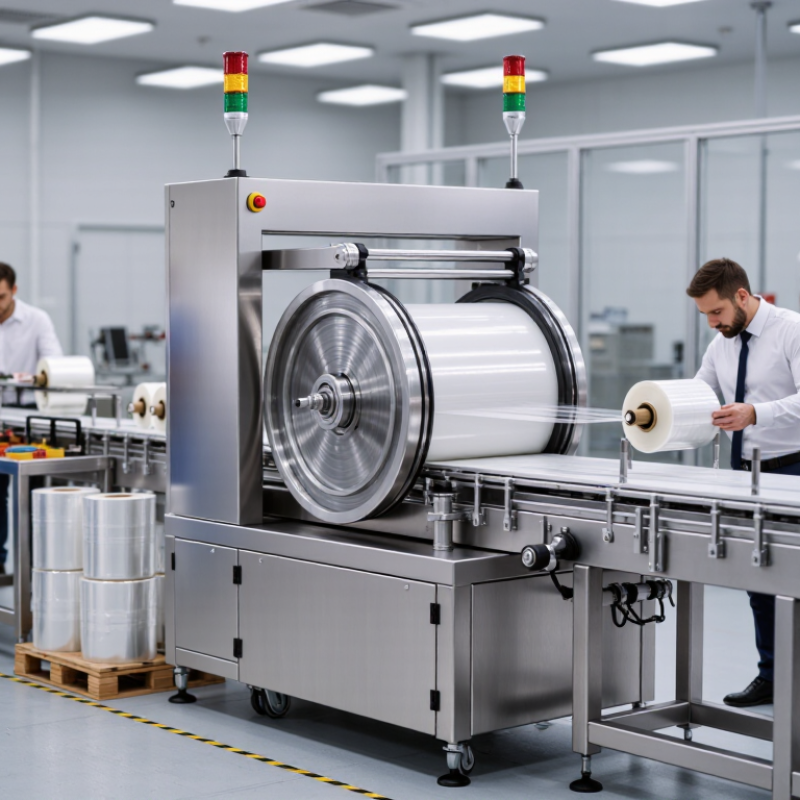
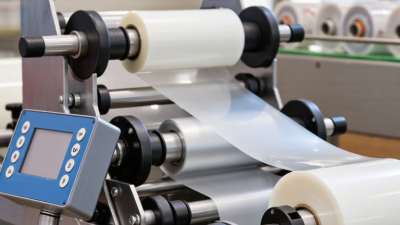
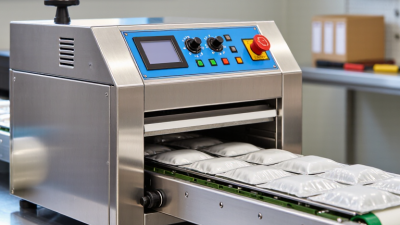
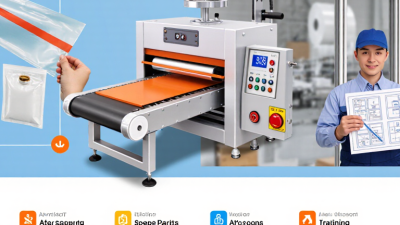
A rotary heat sealer makes a continuous seal as packaging film or a filled pouch moves through the machine. Heated rotating wheels or sealing bands apply controlled heat and pressure to overlapping film layers. The polymers soften, join, and then cool into a closed seam. It is a steady process, not a single press-and-release cycle.

The operator sets temperature, conveyor speed, and pressure to suit the packaging material. For example, a pouch edge passes between heated elements, then cooling blocks help the seam hold its shape. Too little heat can leave weak spots; too much may wrinkle or burn the film. Small details matter. Film thickness, surface contamination, and uneven feeding can all affect seal quality. A simple visual check helps, but it cannot reveal every hidden leak.

Grand View Research’s Packaging Machinery Market report valued the global market at USD 46.57 billion in 2022, reflecting broad demand for automated packaging equipment. That figure describes the wider machinery market, not rotary sealers alone. In practice, buyers should test their actual film and package format before choosing settings. ASTM F2029 provides a recognized method for preparing heat seals for sealability testing. I would not treat one successful sample as proof of consistent production; repeat tests can expose variation.

Key Features to Compare When Choosing a Rotary Heat Sealer

Best Rotary Heat Sealer Machine Manufacturers in China

Key Features to Compare When Choosing a Rotary Heat Sealer

A rotary heat sealer should match your packaging material, bag dimensions, and daily production target. Compare its speed range, temperature stability, and pressure adjustment—not just its maximum output. A few degrees of temperature drift can leave weak seals or scorch thin film. Small details matter.

Grand View Research valued the global packaging machinery market at USD 46.67 billion in 2023 and projected 5.3% annual growth from 2024 to 2030. This market estimate signals broad investment in packaging equipment, but it does not prove any machine suits your line. Ask suppliers for a live sealing test using your actual film and filled pouches. Check seal strength after cooling, not only while the rollers are hot.

Inspect the roller width, belt tracking, control response, and ease of cleaning. Ask how quickly operators can change settings between materials, and whether replacement heating elements and rollers are readily available. Listen for uneven roller movement during a sustained run. It can reveal alignment or wear issues early. I would not rely on a brochure’s stated speed alone; real output depends on pouch spacing, operator handling, and material behavior. Test a full production-length run before deciding.

China’s Rotary Heat Sealer Manufacturing Landscape

China’s rotary heat sealer manufacturing landscape sits within a large, varied packaging sector. The China Packaging Federation reported that above-designated-size packaging enterprises generated about RMB 1.154 trillion in revenue in 2023. This figure covers packaging overall, not rotary heat sealers alone. Public data rarely separates this machine category, so buyers should treat broad market estimates cautiously.

Manufacturers in China serve food, medical, and industrial packaging lines, with differences in sealing width, conveyor speed, and temperature control. When assessing a supplier, request sample seals using your actual film and product. Check seal consistency across repeated runs, not just a single demonstration. Ask for details on temperature stability, spare-part availability, and operator training. A polished factory tour helps, but it cannot replace test records. One overlooked issue is changeover time; it can affect output more than peak speed.

Tips: Ask for a logged trial with your packaging material. Inspect the seal edge and request the settings used. A small gap in the record matters.

How to Assess Leading Chinese Rotary Heat Sealer Manufacturers

Assessing leading Chinese rotary heat sealer manufacturers starts with evidence, not polished catalogs. Ask for sealing trials using your actual film, bag width, and product weight. Review seal strength, temperature stability, line speed, and reject rates across repeated runs. A single successful sample is not enough. Request test records and clarify how measurements were taken. Check whether the machine supports your required film structure and operating environment; compatibility should be confirmed, not assumed.

Inspect build details that affect daily use. Look at roller alignment, heater control, guarding, belt tracking, and access for cleaning. Ask which components wear fastest and how replacement parts are identified. A clear parts list and practical maintenance schedule matter more than impressive output figures. Confirm installation support, operator training, response times, and the language of manuals. If possible, speak with a comparable production user, while treating references as one data point, not proof.

Tips: Send the same sample materials and acceptance criteria to every supplier. Record settings, seal appearance, and test results. Ask to see a machine running continuously, not only during a brief demonstration. Small gaps in documentation can be fixable, but vague answers about test methods deserve follow-up. Leave room for doubt; supplier claims still need verification.

Industries and Packaging Needs These Machines Serve

Rotary heat sealers serve food, personal care, household, and light industrial packaging lines. Snack producers use them for laminated pouches holding nuts, dried fruit, or powdered mixes. A steady seal helps limit leaks and protect product freshness. The package material matters. Different film layers may need different temperatures, pressure, and dwell times.

Small adjustments count. Operators often test seals after changing film suppliers or pouch thickness. A seal can look smooth yet peel apart under handling. That is easy to miss. In cosmetics and household products, flexible pouches may contain liquids or concentrates, so consistent pressure and clean sealing surfaces are important. Dust, oil, or product residue near the seal can create weak spots.

Electronics and hardware packers use heat-sealed bags to keep small components together and reduce exposure to dust or moisture. Their needs differ from food lines: clear product visibility, repeatable pouch sizing, and careful heat control may matter more. Some production teams also need variable speed for short runs. Not every rotary machine handles every film well, so sample testing under real line conditions is more useful than relying on a specification sheet alone. A perfect-looking result is not guaranteed.

Best Rotary Heat Sealer Machine Manufacturers in China - Industries and Packaging Needs These Machines Serve

Industry Typical Products and Packs Common Sealable Packaging Materials Packaging Need Relevant Rotary Sealer Considerations
Food and snacks Dry snacks, grains, confectionery, and other products packed in preformed bags Heat-sealable PE or PP films and compatible multilayer laminates Consistent bag closure that helps protect contents from handling and environmental exposure Adjustable temperature, conveyor speed, and pressure; keep product residue away from the seal area
Agriculture and garden supplies Seeds, dry fertilizer, and soil amendments in flexible bags Compatible PE-based bags and other heat-sealable flexible films Secure closure suited to the package weight, contents, and distribution conditions Check bag thickness, fill weight, and seal strength; select conveyor orientation to suit the package
Pharmaceutical and healthcare packaging Secondary pouches, component bags, and compatible overwraps Validated, heat-sealable films or laminates specified for the package Repeatable sealing and documented process control appropriate to the application Confirm material compatibility and validation requirements; a rotary sealer alone does not establish sterility
Personal care and household products Wipes, accessories, and dry products packed in flexible bags Heat-sealable PE, PP, or compatible laminated film structures A clean, uniform seal suited to product presentation and handling Use settings appropriate to the film structure and thickness; verify seal appearance and integrity
Hardware and industrial supplies Small parts, fasteners, and non-hazardous components in bags Heat-sealable plastic bags and compatible coated or laminated films Reliable closure that keeps loose components contained during storage and handling Choose a suitable conveyor setup for bag size and weight, and ensure parts do not enter the seal zone
Pet food and animal care Dry treats, supplements, and other bagged products Heat-sealable films and compatible multilayer packaging structures Consistent closure across the selected bag material and product fill Test the actual filled package; adjust temperature, speed, and pressure to achieve an appropriate seal

Applications and material compatibility depend on the specific film structure, bag dimensions, product, and machine configuration. Confirm performance with representative packaging samples before production.