3D Barrier Bags, Inc

10 Tips for Choosing the Best Hot Sealer Machine

Choosing the right hot sealer machine can determine whether a package feels secure or disappoints at the first touch. A weak seal may appear acceptable on the production line, then open during transport. That small failure can damage products, waste materials, and reduce customer trust. Packaging scholar Dr. Diana Twede has said, “Packaging is part of the product experience,” a principle that applies directly to sealing performance.

This guide examines ten practical points before you invest. Consider the packaging film first. Polyethylene, laminated foil, and coated papers may require different sealing temperatures and dwell times. Check the seal width, pressure range, conveyor speed, and maximum bag thickness. A machine that runs quickly may still perform poorly with uneven films. Speed is not everything.

Look closely at the controls. Clear temperature displays, adjustable sealing pressure, and repeatable timing support consistent results. Safety guards and stable electrical components also matter in busy facilities. Ask about cleaning access, replacement heaters, spare parts, and technical support. Those details become important after thousands of seals, not during a polished demonstration.

Test real materials before deciding. Bring your actual bags, filled products, and expected operating conditions. Inspect seal strength, wrinkles, burn marks, and leakage after cooling. A simple pull test helps, but it cannot replace suitable quality procedures. No machine is perfect. Operators still need training, maintenance, and honest inspection. The best hot sealer machine is not always the most expensive model; it is the one that matches your materials, workload, workspace, and quality expectations.

10 Tips for Choosing the Best Hot Sealer Machine

Understanding Hot Sealer Machine Types and Sealing Methods

10 Tips for Choosing the Best Hot Sealer Machine

Understanding Hot Sealer Machine Types and Sealing Methods

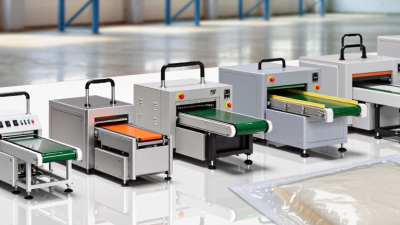
Choosing a hot sealer begins with understanding how heat reaches the package. Impulse sealers apply heat briefly, then cool the seal under pressure. They suit intermittent work with polyethylene and laminated pouches. Constant-heat sealers maintain heated jaws, making them useful for thicker films and coated materials. Continuous band sealers move bags through heated belts, supporting faster production and consistent spacing. Vacuum sealers remove air before sealing, which helps protect products from moisture and oxidation.

During a packaging trial, I once underestimated film thickness. The seal looked neat, but it opened during a simple pull test. That mistake showed why temperature, dwell time, and pressure must be tested together. A wider seal is not automatically stronger. Inspect wrinkles, burn marks, weak corners, and incomplete bonding. Check the machine’s temperature range and sealing width against your actual material, not a supplier’s general chart.

Tip 1: Match the sealing method to your workflow. Choose impulse sealing for small batches and continuous sealing for steady output. Tip 2: Test several temperature settings using real film. Tip 3: Use pull tests and leak checks before approving a machine. Tip 4: Consider operator comfort, guard design, cleaning access, and replacement parts. A machine may appear efficient but create fatigue after hours of use. Leave room for human error. Practical testing often reveals more than specifications.

Matching Machine Specifications to Your Packaging Materials

Choosing the best hot sealer machine begins with the packaging material, not the machine’s appearance. In practical packaging trials, I match temperature range, sealing width, pressure, and dwell time to the film structure. Thin polyethylene often needs lower heat and shorter contact time. Thicker laminated pouches usually require stronger pressure and more controlled heating. Do not trust appearance alone. A clean seal can still peel during handling.

Check whether the machine supports your material’s recommended sealing window. Heat-sensitive films may shrink, wrinkle, or develop brittle edges under excessive heat. Foil laminates can spread heat unevenly, so stable temperature control matters. Seal width also affects reliability. A narrow seal saves material, but it leaves less tolerance for dust, folds, or uneven pouch edges. Small details matter.

I once focused too heavily on temperature and overlooked pressure consistency. The first seals looked acceptable, yet several opened after cooling. That mistake showed why testing must include peel checks, drop handling, and repeated machine cycles. Test it early. Adjust one setting at a time. Record the temperature, pressure, dwell time, and material thickness for every trial. Operators should also inspect the sealing bar, because residue can create weak spots even when the settings appear correct.

10 Tips for Choosing the Best Hot Sealer Machine - Matching Machine Specifications to Your Packaging Materials

Tip Packaging Material or Requirement Recommended Machine Specification Useful Operating Range or Target Why It Matters
1. Identify the film structure PE, PP, laminated films, coated paper, or foil laminates Adjustable temperature and dwell-time controls; compatible sealing jaws or bars Typical seal temperatures may range from about 110–200°C, depending on the sealant layer The innermost heat-seal layer determines the temperature needed to form a reliable seal.
2. Match the bag width Small pouches, medium bags, or wide industrial sacks Sealing length slightly longer than the maximum bag opening Allow approximately 10–20 mm of extra sealing length where practical Insufficient sealing length can leave unsealed edges and reduce package integrity.
3. Select the correct sealing method Thermoplastic films and coated materials Impulse sealing for intermittent work; constant-heat sealing for continuous production Impulse systems heat only during the sealing cycle; constant-heat systems maintain heated jaws or bands The sealing method affects cycle speed, energy use, and suitability for different film structures.
4. Check film thickness Lightweight films, thick pouches, or multilayer laminates Temperature, pressure, and dwell-time adjustment with a suitable heating capacity Common flexible packaging films are often approximately 40–200 micrometres thick Thicker or multilayer materials generally require more controlled heat transfer and pressure.
5. Consider seal width Standard retail packs, leak-sensitive products, or heavy-duty bags Replaceable sealing elements available in widths such as 2–5 mm or wider Use a wider seal when higher strength or improved leak resistance is required Seal width influences package strength, appearance, and resistance to channel leaks.
6. Evaluate production volume Occasional, batch, or high-volume packaging operations Hand-operated unit for low volume; foot-pedal, band, or automatic system for higher volume Choose a cycle time that meets demand without overheating the film or operator The correct automation level improves throughput and reduces operator fatigue.
7. Match the product condition Dry goods, powders, liquids, oily products, or contamination-prone contents Adjustable jaw pressure, easy-to-clean sealing surfaces, and optional liquid-resistant design Keep the seal area clean and dry; use controlled pressure to avoid product entrapment Product trapped in the seal area can create weak points, channels, or incomplete seals.
8. Verify temperature control Films sensitive to overheating or narrow processing windows Digital temperature control with a calibrated sensor and stable heat distribution Set temperature according to supplier specifications and confirm with seal testing Excess heat can distort or burn the film, while insufficient heat can cause weak bonding.
9. Consider protective features Workplaces requiring frequent operation or operator access near heated parts Insulated handles, guarded heating elements, automatic shutoff, and over-temperature protection Use equipment that complies with applicable electrical and workplace-safety requirements Safety controls reduce burn, electrical, and equipment-damage risks.
10. Plan for quality verification Food, medical, chemical, or other applications requiring consistent seals Repeatable settings, seal inspection capability, and access to burst, peel, or leak testing Validate temperature, pressure, and dwell time using representative production samples Routine testing confirms that the selected machine and settings consistently meet packaging requirements.

Evaluating Temperature, Pressure, and Sealing Speed Controls

Choosing the best hot sealer starts with measurable control, not a bright display. Temperature should match the film’s heat-seal window. A 5°C increase can change seal strength, wrinkles, or product damage. Use an independent thermometer to verify jaw temperature. Displays can drift. They do.

ASTM F2029 defines methods for evaluating heat-sealability, while ASTM F88/F88M measures seal strength through controlled testing. These standards help convert machine settings into repeatable evidence. Pressure matters just as much. Uneven jaws can create a strong edge and a weak center. Check alignment with pressure-sensitive film, then record force, dwell time, and seal width. Packaging Machinery Manufacturers Institute’s 2024 State of the Industry report identifies labor availability and equipment flexibility as continuing operational concerns. Simple recipes reduce operator variation. However, fixed recipes are not perfect. Different film lots may require small adjustments.

Sealing speed affects dwell time and production stability. A faster conveyor can shorten heat exposure before the seal fully forms. Begin with a moderate speed, test ten samples, and inspect for channels, burn marks, and peeling. Track results by temperature, pressure, and speed together. One variable rarely explains every failure. In my trials, increasing temperature solved weak seals but created brittle edges. Lowering temperature slightly and extending dwell time worked better. That result was less obvious, and worth questioning.

Checking Machine Capacity, Safety Features, and Ease of Operation

Choosing a hot sealer machine starts with its real workload, not its advertised speed. Check the required bags per minute, sealing width, material thickness, and daily operating hours. A machine rated for 30 seals per minute may struggle during continuous production. Leave capacity headroom for busy periods. My first equipment shortlist focused too heavily on speed, and that was a mistake.

Safety features deserve close inspection. Look for guarded heating areas, emergency stop controls, stable wiring, and automatic temperature regulation. Overheating can damage packaging and create avoidable risks near the worktable. A clear temperature display helps operators notice unusual changes quickly. The machine should also meet recognized electrical safety requirements and include instructions that workers can understand. Test the emergency stop before regular use. Small details matter.

Ease of operation affects output more than many buyers expect. Choose controls with readable labels and simple adjustment steps. Tool-free access can make cleaning and heater replacement less frustrating. Watch an operator change the film roll, set the temperature, and remove a finished package. If the process needs repeated guessing, productivity will suffer. A comfortable handle, sensible control height, and low operating noise also reduce fatigue. I still believe practical testing beats a polished demonstration, although short trials cannot reveal every maintenance problem.

Comparing Maintenance Needs, Energy Use, and Total Purchase Cost

Choosing a hot sealer machine requires more than checking its purchase price. In production trials, I compare seal consistency, warm-up time, and access to heating elements. A cheap unit can become expensive when cleaning takes an hour each shift. Ask how often belts, heaters, sensors, and sealing jaws require replacement. Keep records. Real maintenance data beats a sales estimate.

Energy use deserves a practical test. Record the machine’s rated wattage, daily operating hours, standby time, and local electricity rate. A higher-wattage model may heat faster, but it can waste energy during idle periods. Insulated jaws and automatic sleep settings may reduce consumption, though savings depend on actual use. Measure a normal week, not an ideal shift. I once underestimated warm-up losses. That mistake changed the cost comparison.

Total purchase cost includes freight, installation, training, spare parts, and expected downtime. Request service intervals and price lists in writing. Check whether operators can replace routine parts safely. A machine requiring specialist visits for every adjustment may disrupt a small line. Compare cost per sealed package over three years, using realistic output and failure allowances. Leave room for repairs. Perfect forecasts do not exist, and my earlier spreadsheet ignored rejected bags. That omission made one option look better than it was.