| Machine Configuration |
Sealing method |
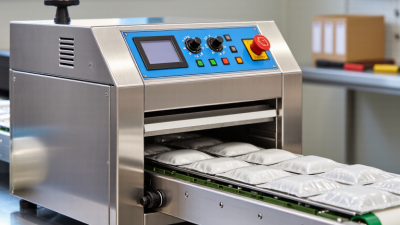
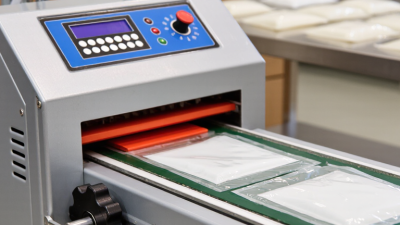
Confirm whether the machine is a continuous band sealer, rotary heat sealer, or impulse sealer. Continuous systems are generally more suitable for repeated production, while impulse systems are commonly used for intermittent operation. |
Product specification, operating video, internal machine photographs, and a sample test using the actual packaging material. |
Critical |
| Performance |
Operating temperature |
A commonly specified range for heat-sealing equipment is approximately 0–300°C, but the usable range depends on film structure, coating, thickness, and sealant layer. |
Temperature controller specification, calibration method, temperature stability data, and test results for the target film. |
Critical |
| Performance |
Sealing speed |
Typical continuous band-sealing equipment may offer approximately 0–12 m/min, although actual output depends on material, seal width, temperature, conveyor loading, and operator handling. |
Speed range, production test video, measured bags or pouches per minute, and acceptance criteria for seal appearance and strength. |
High |
| Packaging Compatibility |
Material and bag dimensions |
Request compatibility confirmation for PE, PP, laminated films, coated paper, and other target materials. Sealable thickness and bag height vary by machine design and must be verified with samples. |
Material list, maximum bag thickness, bag-height range, film-layer construction, and signed sample-sealing report. |
Critical |
| Seal Quality |
Seal width and consistency |
Common sealing widths are approximately 6–15 mm, depending on the sealing assembly. The finished seal should be continuous, centered, clean, and free from wrinkles, burn-through, and unsealed areas. |
Seal-width tolerance, visual inspection standard, peel-strength or burst-test method, and inspection records from production samples. |
Critical |
| Electrical Requirements |
Voltage, frequency, and power |
China commonly uses 220 V and 50 Hz single-phase power. Export configurations may require 110 V, 60 Hz, three-phase power, or another local standard. Power consumption varies by heater size and conveyor motor. |
Electrical schematic, nameplate photograph, rated power, plug type, grounding details, and confirmation of local-voltage compatibility. |
Critical |
| Supplier Qualification |
Manufacturing capability |
Prefer suppliers able to provide traceable factory information, documented quality procedures, stable spare-parts support, and a consistent process for assembly and final inspection. |
Business registration details, factory audit materials, production photographs, quality-control flow, inspection checklist, and export references with confidential information removed. |
High |
| Certifications |
CE and market-access documents |
CE marking is relevant for applicable products placed on the European Economic Area market. It is not a universal quality certificate; the supplier should identify the applicable directives, standards, and conformity-assessment route. |
EU Declaration of Conformity, technical file index, risk assessment, user manual, applicable test reports, and photographs matching the supplied machine. |
High |
| Certifications |
RoHS and quality-management certification |
RoHS addresses restrictions on specified hazardous substances in electrical and electronic equipment. ISO 9001 concerns the supplier’s quality-management system and does not by itself certify machine performance or safety. |
Valid certificate scope, certificate number, issuing-body information, expiration date, and confirmation that the certificate covers the relevant factory or product process. |
Medium |
| Customization |
Mechanical and functional options |
Common options include horizontal or vertical orientation, conveyor height adjustment, stainless-steel contact surfaces, coding or printing integration, different sealing widths, and modified bag guides. |
Engineering drawing, interface dimensions, option pricing, revised electrical diagram, prototype-test report, and a written list of excluded functions. |
High |
| Total Cost |
Ownership and service cost |
Compare more than the purchase price. Include freight, import duties, installation, consumables, heater elements, belts, sealing tapes, spare parts, training, and expected downtime. |
Itemized quotation, spare-parts price list, warranty terms, service response time, remote-support method, and recommended annual maintenance schedule. |
High |
| Acceptance Testing |
Factory acceptance criteria |
Use a written acceptance protocol covering temperature, speed, seal width, bag size, electrical safety, noise, emergency stop operation, and continuous production stability. |
Pre-shipment inspection report, recorded test run, photographs of the serial plate, calibration records, packing list, and approval of production samples. |
Critical |
| Documentation |
Manuals and spare parts |
A complete delivery package should include an English manual, wiring diagram, parts list, troubleshooting guide, maintenance instructions, and recommended spare-parts inventory. |
Sample manual before purchase, electronic documentation format, spare-parts identification method, training content, and revision-control information. |
Medium |