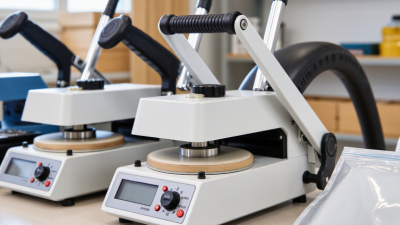
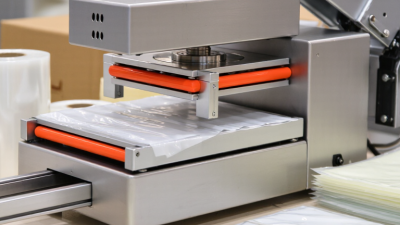
A handheld sealing machine can look simple, but its heated bar and moving parts deserve careful handling.
Place it on a dry, stable bench, away from water and loose packaging. Keep fingers clear while the jaws close, and unplug the unit before cleaning or changing parts. Let the bar cool fully.
Small checks matter.
Before use, inspect the power cord, plug, casing, and sealing surface for wear or residue. Clean cooled surfaces with a soft, non-abrasive cloth; harsh tools can damage protective layers. Check the sealing wire and PTFE cover for fraying, scorching, or uneven contact.
Replace worn parts using the machine’s instructions, not guesswork.
Test a seal on sample material and check for gaps or weak edges. Keep a simple maintenance log, including dates and any repeated faults.
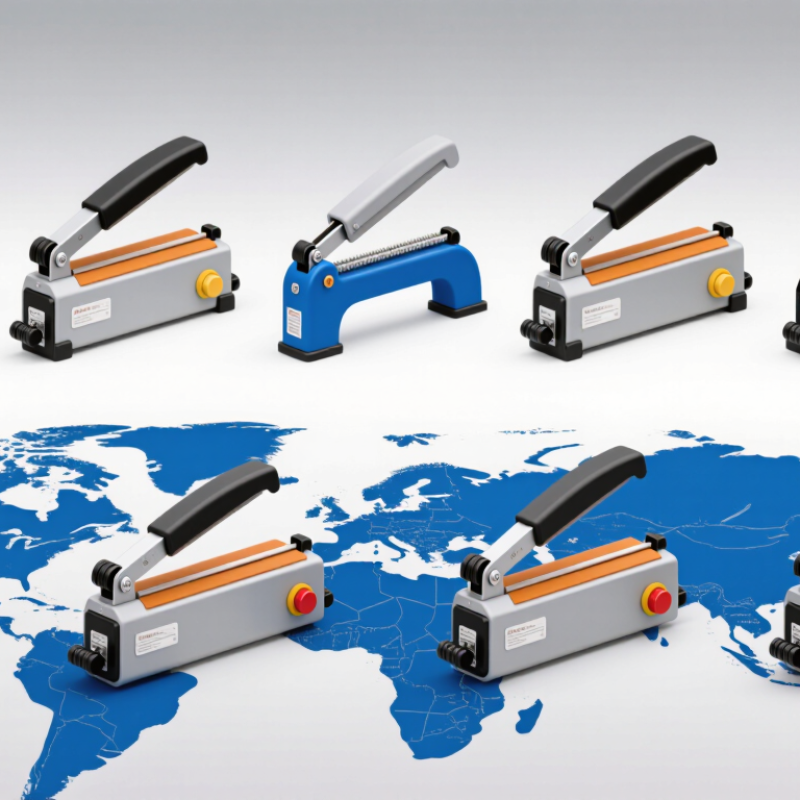
For global purchasing, confirm that voltage, frequency, plug type, and supplied documentation suit the destination market. Ask for applicable conformity documents and clear operating instructions; requirements vary by country and machine type. A document alone does not prove a unit is suitable for every workplace. Local safety review may still be needed.
It is easy to overlook this step when comparing prices, and that is worth reconsidering.