How to Choose the Best Bag Heat Sealer Machine?
Packaging decisions are becoming more consequential as product ranges and delivery formats expand. Smithers’ industry research estimates the global packaging market reached about $1.17 trillion in 2023, with continued growth projected through 2030. That figure covers packaging broadly, not heat-sealing equipment alone. Still, it shows why reliable package closure matters across busy production lines.
Choosing a bag heat sealer machine is not simply a matter of buying the fastest model. The right fit depends on bag material, film thickness, seal width, production volume, and the space available on the line. A small tabletop unit may suit short runs, while continuous band sealers can support higher throughput. Temperature control, conveyor speed, and the ability to handle different pouch types also affect seal consistency. Details matter.
A useful starting point is to test the actual bags and products, not just review a specification sheet. Ask suppliers about sample testing, operating limits, maintenance needs, and spare-part availability. Check the finished seals for gaps, wrinkles, or weak edges. These signs can reveal a poor match before it becomes an expensive production problem. No machine is perfect.
This guide explains the main sealer types and the practical criteria buyers should compare. Industry reports provide useful market context, but they cannot determine how a specific film will behave on your line. That uncertainty deserves attention. The best choice is the one that delivers dependable seals under real working conditions, with clear evidence to support the decision.
Identify Your Packaging Materials and Sealing Requirements
Choosing a bag heat sealer starts with the film, not the machine. Identify whether your bags are polyethylene, polypropylene, laminated film, foil-lined, or paper with a heat-sealable coating. Similar-looking bags can behave differently under heat. Check the material specification when available, and test the actual bag rather than one from another batch. A short test helps.
Note the bag’s thickness and any printed, folded, or gusseted areas near the seal. Thick or multi-layer films may need more heat or dwell time, while delicate films can wrinkle or burn. Look for a clean, continuous seal with no channels or weak corners. Then consider what the package must withstand: dry goods, sharp edges, shipping pressure, or repeated handling. Set the required seal width and daily volume before comparing tabletop, foot-operated, or continuous machines. Match the machine’s temperature range and controls to your material. Many buyers focus on speed and overlook cooling time or operator consistency. That is an easy mistake. Test several bags at a realistic pace, inspect them after cooling, and gently pull the seal. If results vary, adjust one setting at a time; temperature and pressure are not always obvious from appearance alone.
Compare the Main Types of Bag Heat Sealer Machines
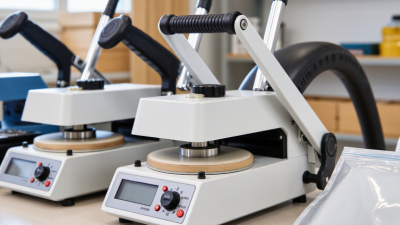
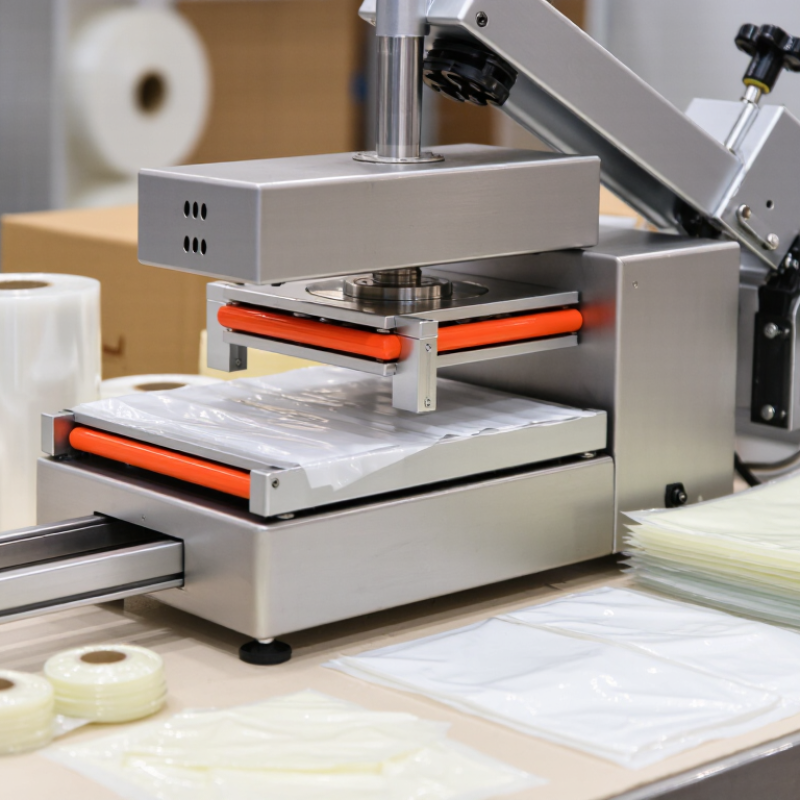
Impulse sealers heat only when the jaws close, making them practical for small batches and changing bag sizes. A tabletop model can seal a pouch in seconds, then cool while the operator positions the next one. They suit many polyethylene and polypropylene bags, but not every laminate. Check the film supplier’s sealing range before setting temperature and pressure. A seal that looks closed may still peel apart.
Constant-heat sealers maintain warm jaws, which can help with thicker or heat-sensitive laminated materials that need steady contact. They often require careful temperature control and a short cooling period under pressure. Too much heat can wrinkle film or weaken the seam. Test with the actual bag material, not just a sample of similar thickness. Small differences matter.
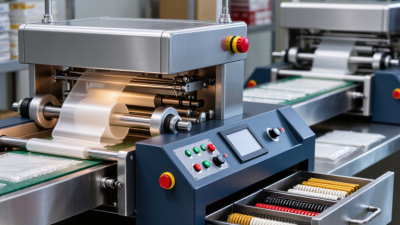
Continuous band sealers carry bags along heated belts, so they fit higher-volume packing lines. They can produce consistent seals without stopping for each pouch, though setup takes more space and belt speed must match the material. Some models also print dates or batch codes. Useful, but another setting to verify. For occasional use, that added complexity may not be worth it. I have seen operators choose by speed alone; that can be a mistake when bag width, seal strength, and daily volume differ.
How to Choose the Best Bag Heat Sealer Machine?
Compare the main types by bag suitability and typical application.
Ratings are indicative: 1 means limited fit and 5 means strong fit. Impulse sealers suit many thin thermoplastic bags; constant-heat sealers are often selected for thicker or heat-sealable laminated materials; band sealers support continuous sealing; and vacuum chamber sealers remove air before sealing compatible vacuum bags. Actual results depend on bag material, thickness, machine settings, and configuration.
Evaluate Sealing Width, Speed, and Temperature Control
A bag heat sealer should match the package, not just the production target. Check the usable sealing width against the bag opening, leaving a small margin at each edge. A narrow seal can peel under handling, while an overly wide one may waste material or slow the line. Measure filled bags too; their contents can change how flat the opening sits.
Speed matters, but only when seals remain consistent. Compare the machine’s cycle rate with your real workflow, including loading, alignment, and inspection. A fast cycle is less useful if workers must repeatedly reposition bags. Small details matter. Try several consecutive seals using the actual bag material and thickness, rather than relying only on a specification sheet.
Temperature control deserves close attention. Look for stable adjustments and a clear way to verify settings, then test for clean, continuous seals without scorching or wrinkles. Begin with the material supplier’s guidance when available, and change one setting at a time. Too much heat can weaken some films; too little can leave channels. The best setting may vary slightly across materials, and that judgment is not always obvious. Record trial results, including seal appearance and any failures, before choosing a machine for routine use.
Check Safety, Maintenance, and Operating Costs
A bag heat sealer should protect the operator as well as close each package. Check for a stable base, guarded hot surfaces, and an accessible emergency stop. The controls should be clear enough to use without reaching across the sealing bar. Small details matter. Ask how quickly the bar cools after shutdown, and whether the manual explains safe cleaning and adjustment.
Maintenance affects both seal quality and safety. Look for replaceable heating elements and sealing strips that are easy to inspect. Before cleaning, switch off and unplug the machine, then let the bar cool fully. Remove crumbs or film residue with a soft cloth; sharp tools can damage the sealing surface. Check alignment and wiring on a set schedule, and keep a simple service log. A missed check may seem harmless, until uneven seals cause rework.
Compare operating costs beyond the purchase price. Power use, replacement parts, staff training, and downtime all add up. Ask suppliers for typical part lifetimes and local service availability, rather than relying only on estimated output rates. A faster machine is not automatically cheaper if it needs frequent adjustment. I would also test it with the actual bag material and thickness; estimates can miss real-world variation. That extra trial takes time, but it can reveal costs a specification sheet leaves out.
Choose a Machine That Fits Your Production Environment
A bag heat sealer should suit the room as well as the product. Measure available floor space, outlet capacity, and the distance to the packing bench before comparing machines. A tabletop impulse sealer may fit short runs, while a continuous band sealer can support steadier output. Match the sealing width and temperature range to the bag material. Then test actual filled bags; film thickness and trapped crumbs can change seal quality.
The Deloitte and MAPI 2024 Smart Manufacturing Survey found that 86% of manufacturers expect smart manufacturing to drive competitiveness within five years.
That figure favors equipment that can share useful production data, but connectivity is not always essential. Noise matters, too. In a dusty or damp area, check cleaning access, controls, and the machine’s stated operating conditions. Make sure operators can load bags without reaching across hot surfaces, and leave room for maintenance. A trial beside the real packing line can reveal awkward handoffs that a showroom test misses. I would not assume the fastest machine is best; frequent changeovers or limited operator space can erase its speed advantage.