How to Choose the Best Hand Heat Sealer Machine?
Choosing the best hand heat sealer machine begins with the package, not the machine. Film thickness, seal width, bag material, and daily workload all matter. A compact sealer may handle thin polyethylene bags well, yet struggle with laminated pouches or heavier multilayer films. The wrong match creates wrinkles, weak corners, or overheated packaging.
Walter Soroka, author of Fundamentals of Packaging Technology, describes packaging as “a system of preparing goods for transport, distribution, storage, retailing, and use.” That principle applies directly here. A reliable hand heat sealer machine must protect the product throughout handling, not merely produce an attractive line. Look for adjustable temperature control, consistent jaw pressure, durable heating elements, and a sealing width suited to your bag size. A simple cutter can also improve workflow.
Small details matter. Test several samples before production. Check the seal after cooling, not immediately. Pull it gently. Bend the package. Inspect the edges under bright light. A smooth seal can still fail inside. That is an uncomfortable lesson, but an important one.
In practical selection, speed should not outrank control. A faster machine may waste more film if its heat fluctuates. Safety features deserve attention too, including insulated handles, stable feet, and clear operating instructions. Food-related packaging also requires suitable, clean materials and documented procedures. No single model is perfect. The best choice balances material compatibility, operator comfort, maintenance, and repeatable results. Even experienced buyers can overlook one variable: real working conditions. Test there. That is where performance becomes trustworthy.
Understanding Hand Heat Sealer Types and Packaging Applications
How to Choose the Best Hand Heat Sealer Machine?
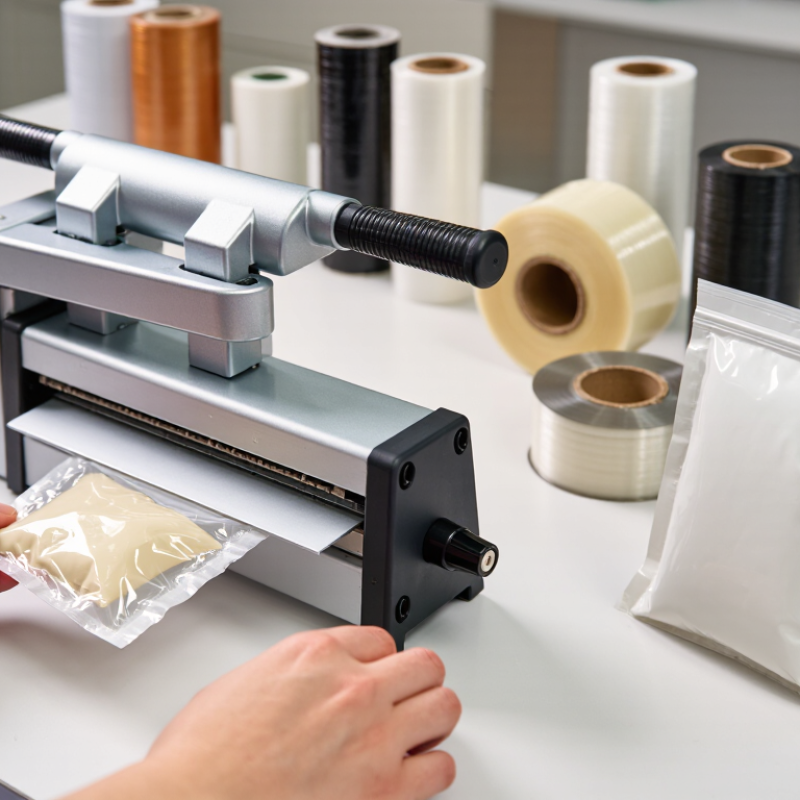
Understanding the bag material is more important than choosing the sealer first. Impulse sealers suit many PE, PP, and laminated films. They heat only during sealing, which saves energy and reduces film damage. Constant-heat models work better with thicker laminates, coated paper, and foil structures. They maintain heat continuously. This can improve consistency, but operators must control dwell time carefully. In real packaging trials, a seal may look closed yet fail under pressure. That detail is easy to miss.
Application also determines the machine’s useful design. Small pouches may need a 200–300 mm sealing width. Larger bags require a longer jaw or repeated seals. The Flexible Packaging Association reported approximately 39.8 billion dollars in U.S. flexible packaging sales in 2022. That scale reflects growing use across food, medical, household, and industrial packaging. Smithers also identifies lightweight flexible formats as a continuing growth area. However, growth does not remove practical problems. Humidity, dusty film, uneven filling, and rushed handling can weaken results.
Tips: Test the exact film before purchasing. Measure seal width, temperature range, and cycle time. Check whether the unit includes adjustable heat control. Record ten seal samples, then test them by peeling and pulling. Do not trust appearance alone. A slightly imperfect seal can reveal a better setting. Also, review operator comfort, maintenance access, and electrical safety. The fastest machine is not always the most reliable choice.
Checking Safety Design, Build Quality, Maintenance, and Energy Efficiency
Choosing the best hand heat sealer requires more than checking sealing width or purchase price. Safety design deserves close attention. Look for insulated handles, stable feet, protected heating bars, and a visible power indicator. These features reduce accidental contact during busy packing work. Automatic shutoff also helps prevent overheating when operators become distracted. Small detail, big difference. The machine should cool quickly after releasing the handle, especially in a small workspace.
Build quality affects daily reliability. A firm hinge, strong frame, and even pressure across the sealing bar usually indicate better construction. During practical testing, inspect the power cable and control switches carefully. Loose connections can create avoidable risks. Maintenance should be simple, with accessible heating strips and clear cleaning instructions. Remove plastic residue only after unplugging and cooling the machine. I once underestimated this step, and uneven residue caused weak seals. That mistake was preventable.
Tips: Select adjustable temperature and sealing-time controls for different film materials. Use the lowest effective setting to reduce energy waste. Automatic standby or shutoff features are useful during pauses. Do not assume a low-wattage machine is always more efficient; repeated reheating may consume more power. Record seal results during testing, then adjust gradually. A short trial often reveals problems that specifications hide.
How to Choose the Best Hand Heat Sealer Machine?
Compare the four purchasing priorities below when evaluating a hand heat sealer. The percentages represent a practical evaluation framework, with safety and operating reliability receiving the greatest emphasis.
Safety design includes insulated handles, stable operation, and protection against accidental contact with heated parts. Build quality covers the frame, sealing bar, and temperature consistency. Maintenance considers cleaning access and replacement-part availability. Energy efficiency depends on heater wattage, sealing time, and duty cycle, so actual consumption should be verified from the machine specification and operating conditions.
Choosing the Right Hand Heat Sealer for Your Budget and Workflow
How to Choose the Best Hand Heat Sealer Machine?
Choosing the Right Hand Heat Sealer for Your Budget and Workflow
A suitable hand heat sealer should match your daily workload, material, and available budget. A low-cost unit may suit occasional packing, while a stronger model supports repeated production. Check the sealing width, heat range, heating time, and handle comfort before buying. These details affect both output and operator fatigue.
Measure your workflow honestly. If one person seals 30 bags each day, a simple machine may be enough. If several workers seal hundreds, choose a model with consistent temperature control and quick recovery. Test it with your actual packaging film, not only a sample supplied with the machine. Film thickness can change the result. Watch for weak seals, melted edges, or wrinkles.
My first choice was once based on price alone. It looked practical, but the short sealing bar slowed every batch. That mistake cost more time than expected. Leave room in your budget for replacement heating elements, maintenance, and basic safety equipment. Keep the work surface clean and dry. Train operators to avoid touching the heated area. Small checks matter.
A useful machine feels predictable.
Before purchase, record ten test seals. Let them cool, then pull them gently by hand. The seal should remain even without tearing the package material. A written test record also helps compare machines fairly and supports reliable purchasing decisions.
How to Choose the Best Hand Heat Sealer Machine? - Choosing the Right Hand Heat Sealer for Your Budget and Workflow
| Sealer Type |
Typical Seal Length |
Suitable Film Thickness |
Typical Power |
Approx. Output |
Best Workflow |
Main Advantages |
Limitations |
Typical Budget Level |
| Basic Hand Impulse Sealer |
200–400 mm |
Up to approximately 0.20 mm total film thickness |
250–600 W |
Up to about 10–20 seals per minute |
Home businesses, small batches, sample packing, retail orders |
Low purchase cost, compact size, simple operation, low energy use |
Requires manual positioning; slower for long production runs |
Low |
| Heavy-Duty Hand Impulse Sealer |
400–800 mm |
Up to approximately 0.30 mm total film thickness |
500–1,000 W |
About 8–18 seals per minute |
Medium-volume packaging with wider bags or larger products |
Longer sealing bar, stronger construction, handles thicker packaging |
Takes more counter space and may require more operator effort |
Low to medium |
| Foot-Operated Impulse Sealer |
300–1,000 mm |
Up to approximately 0.30 mm total film thickness |
400–1,200 W |
About 10–25 seals per minute |
Repeated packing where both hands are needed to position large bags |
Improves bag alignment, reduces hand fatigue, supports larger packages |
Higher footprint and purchase cost than a basic hand sealer |
Medium |
| Continuous Band Sealer |
Continuous sealing path |
Commonly suitable for heat-sealable thermoplastic films and laminated pouches |
300–800 W |
Approximately 5–15 m/min, depending on material and temperature |
Higher-volume work with many bags of similar size |
Fast throughput, consistent seals, less repetitive clamping |
More setup and maintenance; less convenient for irregular bag sizes |
Medium to high |
| Hot-Bar or Constant-Heat Sealer |
200–600 mm |
Often used for thicker laminated structures and coated materials |
400–1,500 W |
About 5–15 seals per minute |
Packaging that needs higher heat or longer dwell time |
Can produce strong seals on materials that require sustained heat |
Longer warm-up, higher energy use, and greater risk of film distortion |
Medium to high |
| Tabletop Vacuum Sealer |
Typically 250–400 mm chamber width |
Vacuum pouches designed for chamber sealing |
500–1,500 W |
Approximately 2–8 cycles per minute |
Products requiring air removal, such as food or moisture-sensitive goods |
Removes air before sealing and provides controlled, repeatable cycles |
Larger, slower, and more expensive than a standard impulse sealer |
High |
Selection Guide: Choose a basic hand impulse sealer for occasional, low-volume packaging; a heavy-duty or foot-operated model for wider bags and repetitive work; a continuous band sealer for faster standardized production; and a vacuum sealer when removing air is part of the packaging process.
Note: Performance figures are typical operating ranges for commercially available equipment. Actual output depends on bag size, film structure, seal width, operator speed, temperature, dwell time, and product placement.