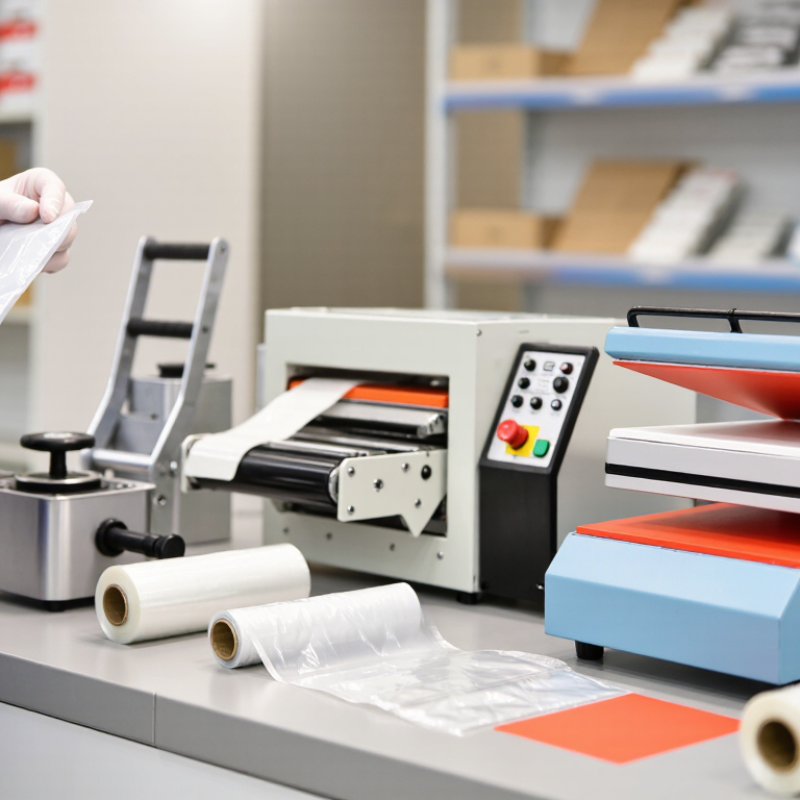
| Impulse bar sealer |
Heat-sealable thermoplastic films, including many polyethylene and polypropylene bags and compatible laminates |
Small-batch packaging, retail bags, sample bags, and light production work |
An electrical pulse heats the sealing element only during the sealing cycle; the material is then held closed while the seal cools. |
Heats on demand, requires little warm-up, and is straightforward to operate for intermittent use. |
Seal quality depends on film compatibility, temperature or power setting, dwell time, and cooling time. Not suitable for every laminate or very high-volume line. |
| Constant-heat bar sealer |
Compatible thermoplastic films and some thicker or multilayer materials that need sustained heat |
Repeated bag sealing, heavier bags, and applications where an impulse seal may not provide enough heat transfer |
Heated jaws remain at a controlled operating temperature and apply heat and pressure for a set dwell time. |
Consistent heat is available between cycles and can help seal materials that require longer or more uniform heating. |
Requires warm-up and careful temperature adjustment. Excessive heat or pressure can distort, burn, or weaken packaging. |
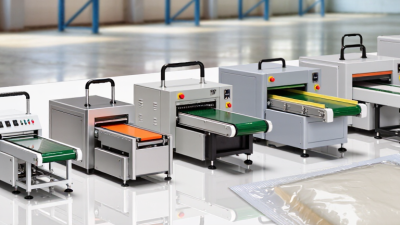
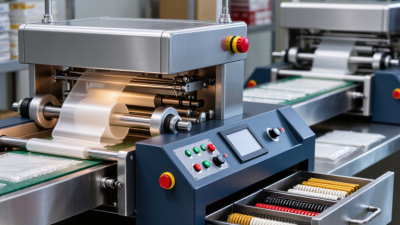
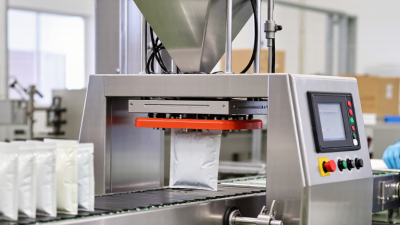
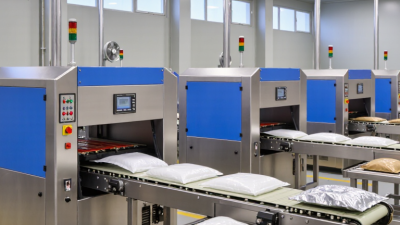
| Continuous band sealer |
Compatible thermoplastic pouches and bags, including suitable polyethylene, polypropylene, and laminated packaging |
Medium- to high-volume packaging lines and bags that can be fed continuously through the sealing head |
Moving heated bands seal the package as it travels through the machine; some models also emboss or print a date or code. |
Supports continuous operation and generally offers higher throughput than manual bar sealing. |
Needs consistent bag presentation and setup. Check the packaging material, bag thickness, seal width, and conveyor or feeding requirements before selection. |
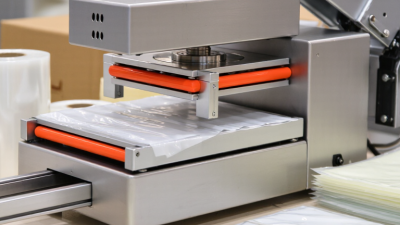
| Vacuum chamber sealer with heat-seal bar |
Vacuum-compatible heat-sealable pouches, including suitable multilayer barrier bags |
Food portioning, product protection, and applications where air removal is required before sealing |
The chamber removes air from the pouch, then a heated bar seals it before the chamber returns to atmospheric pressure. |
Combines air evacuation and sealing in one cycle and can seal liquids or moist products more reliably than external suction systems when correctly configured. |
Requires a chamber and compatible pouch. Cycle time is longer than simple bag sealing, and the process is not appropriate for products that could be damaged by vacuum. |
| Tray or blister heat sealer |
Compatible plastic trays, lidding films, and blister materials designed to form a heat-seal bond |
Food trays, medical or consumer-product packs, and formed packaging with a defined sealing flange |
A heated platen presses lidding material against the tray or blister flange for a controlled time and pressure. |
Creates a repeatable seal around a shaped package and can be configured for specific tray formats. |
Tooling must match the package shape and flange. Seal performance depends on the exact tray-and-lid material combination and a clean sealing area. |
| Induction foil sealer |
Containers with compatible conductive foil liners fitted beneath suitable caps |
Sealing bottles or jars to provide a tamper-evident closure or an additional product barrier |
An electromagnetic field heats the foil liner, bonding its heat-seal layer to the container opening. |
Seals without direct contact between the sealing head and the container and can be integrated into a production line. |
Requires a compatible foil-lined closure and container material. It seals the liner to the container; it does not replace the cap or close an open bag. |