3D Barrier Bags, Inc

Why Choose a Plastic Heat Sealer Machine?

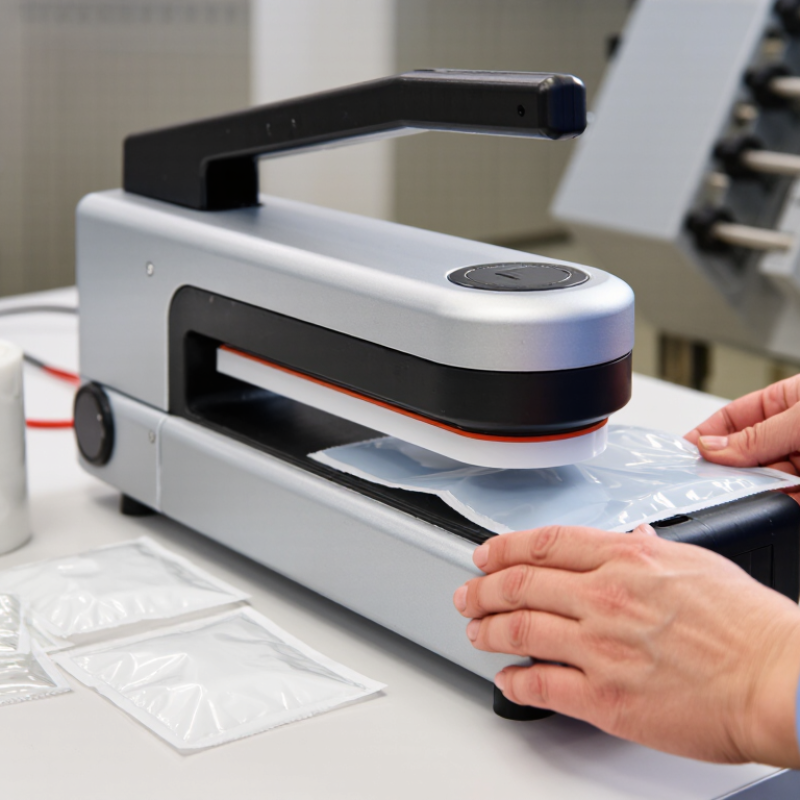
Why choose a plastic heat sealer machine in an era of stricter packaging expectations? The answer begins with control. A reliable sealer can create clean, repeatable seals around pouches, liners, films, and small bags. Operators can watch the heated bar close, feel the resistance, and inspect the finished seam within seconds. That simple routine can reduce leakage, product exposure, and unnecessary material waste.

Industry reports support this direction. Smithers’ The Future of Global Packaging to 2028 identifies sustainability, automation, and production efficiency as major packaging priorities. Grand View Research also reports continued growth across the global packaging machinery market, driven by flexible packaging and food safety requirements. These reports do not make every plastic heat sealer machine a smart investment. Machine suitability still depends on film structure, seal width, temperature stability, throughput, and operator training.

Jim Pittas, President and CEO of PMMI, has emphasized a practical principle: “Automation should solve a real production problem, not create another one.” That idea matters here. A compact impulse sealer may suit a small workshop, while a continuous band sealer may better fit daily commercial output. The wrong model can produce wrinkled edges, weak seams, or expensive downtime. Real experience exposes this gap. Specifications look precise on paper. Production is messier. Choosing well requires testing the actual film, measuring seal strength, and reviewing maintenance needs before purchase.

Why Choose a Plastic Heat Sealer Machine?

What Is a Plastic Heat Sealer Machine?

A plastic heat sealer machine is a device that closes thermoplastic packaging with controlled heat and pressure. It softens the plastic layers, presses them together, and creates a sealed edge as they cool. The process is simple, but the settings matter. Temperature, sealing time, and pressure must match the film thickness and material.

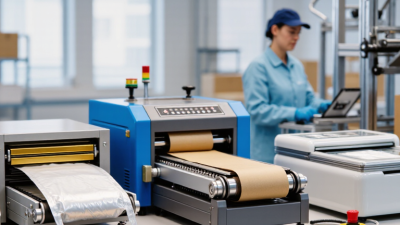
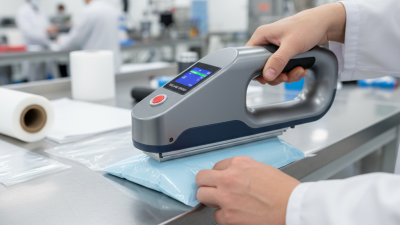
Common machines include hand-operated impulse sealers, foot-operated models, and continuous band sealers. An impulse sealer heats only during contact, which helps reduce energy use for small packaging tasks. A band sealer moves bags through a heated belt, making it practical for repeated production. Operators can seal pouches, liners, sleeves, and other compatible plastic packaging.

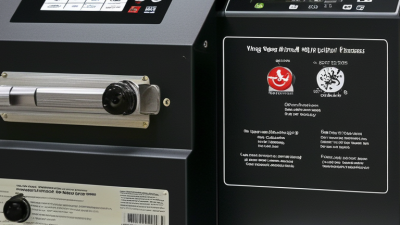
A strong seal should look even, clean, and continuous. The first seal is not always perfect. Wrinkles, moisture, dust, or excessive heat can weaken it. That detail is easy to underestimate. In practical use, workers should test several samples before regular operation. They should also keep hands away from heated surfaces and follow the machine’s safety instructions. A reliable sealer does not replace inspection; it makes consistent sealing easier when materials and settings are properly controlled.

Why Choose a Plastic Heat Sealer Machine? - What Is a Plastic Heat Sealer Machine?

Key facts, operating characteristics, benefits, and selection considerations

Data Dimension What It Means Typical Facts or Range Why It Matters
Basic definition A machine that uses controlled heat and pressure to join thermoplastic film or coated packaging material. The heat softens the sealant layer; pressure holds the layers together while the seal cools. Creates a closed package without adhesives, staples, or sewing.
Common compatible materials Thermoplastic films and laminates that contain a heat-sealable layer. Polyethylene (PE), polypropylene (PP), PVC, polyamide laminates, and foil or paper laminates with a sealant layer. Material compatibility is essential for achieving a strong, continuous seal.
Typical sealing temperature The temperature applied to the sealing bar or element. Often approximately 100–250°C, depending on the film structure, thickness, and sealant layer. The correct temperature prevents weak seals, film distortion, and scorching.
Seal width The width of the welded band produced along the package opening. Many general-purpose machines use seal widths of about 2–10 mm; wider seals are available for specific applications. A wider seal can improve handling strength but may increase cycle time and energy use.
Operating modes The way the sealing cycle is started and controlled. Impulse sealing heats the element only during the sealing cycle; constant-heat sealing keeps the sealing surfaces heated. Impulse systems suit many thin films, while constant heat is often used for thicker or multi-layer materials.
Control variables The settings that determine seal quality and repeatability. Temperature, dwell time, cooling time, jaw pressure, film alignment, and material cleanliness. Balanced settings are needed to produce consistent seals throughout a production run.
Typical package formats The types of packages that can be closed with heat sealing. Open plastic bags, pouches, liners, sachets, protective covers, and some laminated flexible packages. The machine can be selected for flat bags, gusseted bags, or continuous packaging lines.
Production suitability How well the equipment matches the required packaging volume. Hand-operated units are suitable for low-volume work; foot-operated, semi-automatic, and continuous systems support higher throughput. Choosing the correct operating level helps control labor, cycle time, and operating cost.
Energy use Electrical power required to heat the sealing system and operate the machine. Small bench-top units commonly use less power than continuous automatic systems; actual consumption depends on seal length, temperature, and duty cycle. Efficient heating and standby controls can reduce operating expenses.
Seal quality The strength, appearance, continuity, and leak resistance of the finished seal. A good seal is continuous, firmly bonded, free from burn-through, and appropriate for the package contents. Reliable seals help protect products from moisture, dust, leakage, and contamination.
Main advantages The practical benefits of using heat sealing instead of alternative closure methods. Fast operation, clean appearance, repeatable results, compact equipment, and no adhesive curing time. Supports efficient packaging and can improve product presentation.
Key limitations Conditions that may reduce performance or prevent successful sealing. Non-thermoplastic materials cannot be heat-sealed without a suitable sealant layer; contamination, wrinkles, and incorrect settings can weaken the seal. Material testing and process control are necessary before routine production.
Selection checklist The information to confirm before choosing a machine. Film type and thickness, package dimensions, required seal width, daily volume, desired speed, available power, operator method, and safety features. A specification-based choice improves productivity, safety, and long-term seal consistency.
Practical note: Actual temperature, pressure, dwell time, and production capacity must be validated with the specific packaging material and package design. Always follow the equipment operating instructions and applicable workplace safety requirements.

How Does a Plastic Heat Sealer Machine Work?

Why Choose a Plastic Heat Sealer Machine?

A plastic heat sealer machine joins thermoplastic film with controlled heat and pressure. The heated bars soften the film surfaces. Cooling pressure then creates a tight seam. Simple in principle.

Most machines use a timer, temperature controller, and adjustable sealing pressure. The timer controls heat exposure. The pressure system keeps the layers aligned during sealing. If the film is damp, dusty, or uneven, the seal may weaken. A seal can look perfect and still fail.

Packaging demand supports this equipment’s practical value. PMMI reported that U.S. packaging machinery shipments reached about $10.2 billion in 2022, rising 8.2% from 2021. Flexible packaging remains important because it uses lightweight films and supports efficient product protection. However, machinery performance depends on the material, film thickness, and operator settings. One setting cannot fit every package.

Tips: Start with the film supplier’s recommended temperature range. Test several samples before production. Check seal width, peel strength, and leakage. Lower the heat if the film wrinkles. Increase pressure carefully. Too much pressure can distort the package. Record every adjustment. That small habit prevents repeated mistakes.

What Materials and Packaging Can It Seal?

A plastic heat sealer works by applying controlled heat and pressure to compatible plastic layers. It does not seal every plastic. It softens a thermoplastic surface, then compresses the layers into a continuous closure. Common sealable materials include polyethylene (PE), polypropylene (PP), and coated films. Many laminated pouches also work when their inner layer is heat-sealable. The outer layer may provide strength, printing, or moisture resistance.

These machines can seal poly bags, liner bags, flat pouches, stand-up pouches, sachets, and protective overwrap. They are also useful for closing small plastic sleeves and packaging inserts. A foil laminate may seal successfully, but only when its inner polymer layer is designed for heat sealing. Paper, glass, bare metal, and rigid plastic containers usually need another closing method. Packaging thickness also affects the result.

Test it first. In practical use, clean and dry sealing surfaces produce more reliable seams. Dust, oil, wrinkles, or trapped product can create weak spots. Temperature, dwell time, and pressure must match the film structure. Too much heat can burn the plastic or distort the pouch. Too little heat creates a seal that opens easily. My first assumption was that higher heat meant greater strength. That assumption was wrong. A short trial with sample packaging is safer than adjusting production blindly. For food or medical packaging, confirm the material specifications and required quality checks before regular use.

Why Choose a Plastic Heat Sealer Machine?

Typical Heat-Sealing Temperature Ranges by Packaging Material

Plastic heat sealers are commonly used for PE and PP films, multilayer laminates, aluminum foil laminates, and heat-sealable coated paper. The temperature ranges shown are typical industry ranges; the correct setting depends on film thickness, sealing-layer composition, dwell time, pressure, and machine design.

What Advantages Does Heat Sealing Offer?

A plastic heat sealer machine creates a clean, continuous closure on compatible packaging materials. Unlike tape, heat sealing does not leave adhesive residue or loose edges. When temperature, pressure, and sealing time are balanced, the package can resist dust, moisture, and accidental opening. This consistency supports safer storage and cleaner handling in food, retail, and industrial applications. It can also reduce packaging waste because many sealed bags need fewer extra materials.

Tips: Test the actual film before production. Check the seal after cooling, not immediately. A simple pull test can reveal weak areas. Keep the sealing bar clean, since small particles may create channels or uneven closures.

Heat sealing can improve workplace efficiency, especially when operators handle many packages each hour. A repeatable sealing cycle makes results less dependent on individual technique. The finished edge also looks neat and professional, which can improve product presentation. However, heat sealing is not automatically the best choice for every plastic. Some films shrink, wrinkle, or fail under excessive heat. I have found that rushed setup creates more waste than slow, careful testing. Material thickness, coating, and bag design all deserve attention before selecting equipment. Regular temperature checks and seal inspections help maintain dependable performance over time.

How Do You Choose the Right Heat Sealer Machine?

Why Choose a Plastic Heat Sealer Machine?

Choosing the right heat sealer starts with the material, not the machine’s appearance. Film thickness, coating, sealant layer, and pouch size determine the required temperature and pressure. A thin polyethylene bag may seal quickly, while laminated film needs tighter control.

Seal first. Measure twice.

According to Grand View Research, the global plastic packaging market was valued at roughly 430 billion dollars in 2023. Smithers forecasts that flexible packaging will exceed 300 billion dollars by 2028. These figures show why consistent sealing matters across food, household, and industrial packaging.

Compare sealing width, operating speed, temperature range, and dwell-time control. For frequent production, automatic feeding can reduce repetitive labor. For short runs, a compact impulse sealer may offer better cost control.

More automation is not always better.

Check the actual package before buying. Run samples using the thickest and thinnest materials you will seal. Inspect the seam after cooling, not immediately. It should look even, without wrinkles, channels, or burned edges.

ASTM F88 testing can measure seal strength, while ASTM F2029 helps evaluate heat-sealing conditions. For regulated medical packaging, ISO 11607-2 requires documented process validation.

A supplier’s claimed speed is useful, but real results depend on film structure, operator technique, and maintenance. I would leave room for adjustment; packaging specifications often change sooner than expected.