What is a Hand Held Heat Sealer Machine and How to Use It?
In the packaging industry, efficiency and precision are essential. The hand held heat sealer machine has become a revolutionary tool for businesses. According to Sarah Johnson, a leading expert in packaging technology, "The hand held heat sealer machine is crucial for ensuring product integrity and prolonging shelf life." This tool allows users to seal various materials quickly and effectively.
Using a hand held heat sealer machine is straightforward, yet it requires attention. Proper technique ensures airtight seals. If misused, it can lead to faulty seals and wasted materials. The versatility of this device makes it suitable for small businesses and home users alike. It’s compact and easy to store, making packaging tasks less daunting.
Despite its effectiveness, some struggles exist. Users need to calibrate temperature settings according to the material. Too high might melt the packaging, while too low may leave it unsealed. A bit of practice is often necessary to master this machine. Nonetheless, the hand held heat sealer machine remains an essential tool in modern packaging.
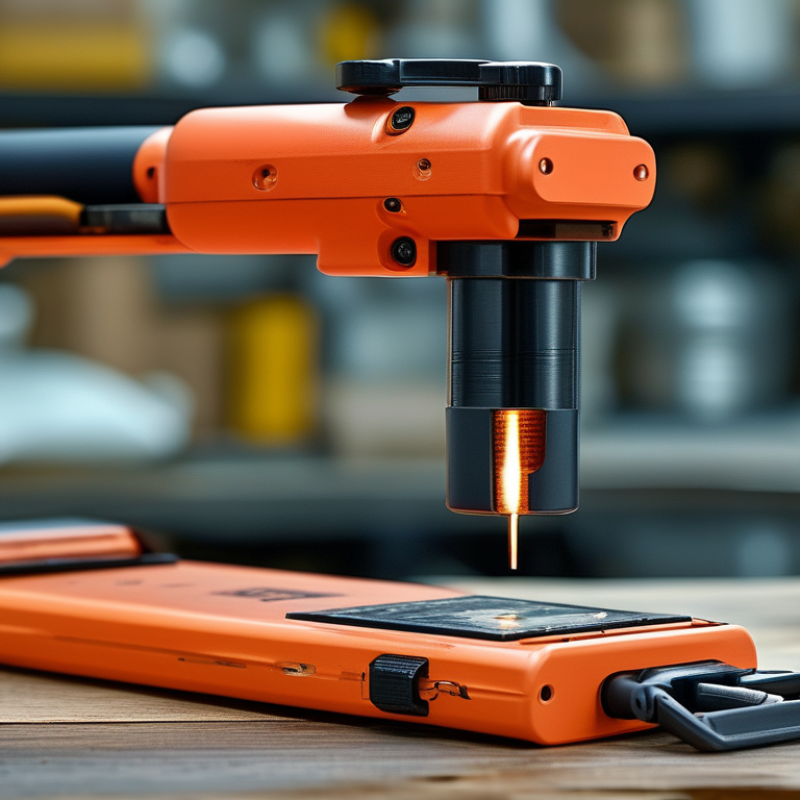
What is a Hand Held Heat Sealer Machine?
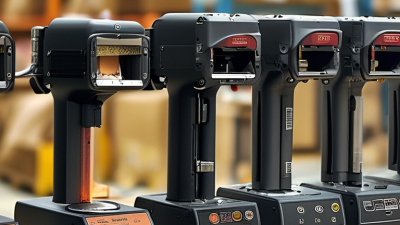
A hand-held heat sealer machine is an essential tool in various industries, including food packaging and retail. It is designed to seal plastic bags quickly and securely. This device uses heat to melt the edges of the materials, creating a tight closure. According to industry reports, the demand for heat sealing equipment is projected to grow by 5% annually. This reflects the increasing importance of preserving product freshness and extending shelf life.
Using a hand-held heat sealer is straightforward. Some models offer adjustable temperature settings, allowing you to customize the seal based on the material. It is important to select the right heat setting for polyethylene or polypropylene bags. Improper sealing can lead to product spoilage. Many users overlook this and end up with compromised seals. Observing the time it takes to create a proper seal is vital, as some materials may require multiple attempts.
Another consideration is the maintenance of the machine. Regular cleaning can enhance its effectiveness, yet many operators neglect this. A dirty sealing element can affect performance and lead to inconsistent results. Training staff properly can mitigate these issues. Investing in knowledge about machinery not only promotes reliability but also boosts productivity in packaging operations.
Usage of Hand Held Heat Sealer Machines
This bar chart illustrates the frequency of usage for different applications of hand-held heat sealer machines. As seen, food sealing is the most frequent application, followed by sealing plastic bags and small packages.
Key Features of Hand Held Heat Sealers
Hand-held heat sealers are invaluable tools in packaging and sealing various materials. These devices are designed to create airtight seals quickly and efficiently. They are particularly useful in food packaging, preventing spoilage and ensuring freshness. One key feature of hand-held heat sealers is their portability. Their lightweight and compact design allows users to seal packages anywhere, making them convenient for home and commercial use.
Another important feature is the heat adjustment settings. Different materials require specific temperatures for a proper seal. A quality heat sealer allows users to customize the heat level, ensuring a secure bond without damaging the contents. Many models also provide safety features, such as automatic shut-off, to prevent overheating. This can enhance reliability, especially for users who may forget to turn off the device.
However, using a hand-held heat sealer does come with challenges. Users may sometimes struggle with achieving consistent seals, particularly with thicker materials. Over time, the heat element can lose effectiveness, requiring replacement or recalibration. Mistakes can happen, like overheating or under-sealing, leading to compromised packages. Regular testing and adjustments are vital to ensure top performance. Understanding these features and limitations can enhance the efficiency of any sealing task.
Step-by-Step Guide to Using a Hand Held Heat Sealer
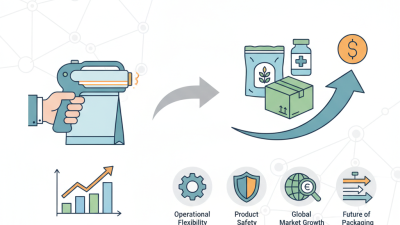
Using a hand-held heat sealer can significantly improve your packaging process. The device is designed to seal plastic bags quickly and efficiently. According to industry reports, the global heat sealing market is expected to grow by over 5% annually. This rise reflects the increasing demand for durable and effective packaging solutions across various sectors.
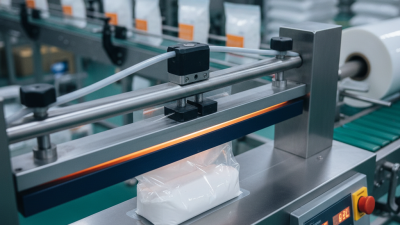
To use a hand-held heat sealer, start by gathering your materials. Ensure that your bags are made of suitable plastic. The sealers generally work best with polypropylene or polyethylene. Preheat the machine, setting it to the recommended temperature for your bag material. Cut your items to the appropriate size for the bags. Place the items inside, ensuring they do not exceed the fill line. Next, align the bag’s opening with the sealing bar. Press down for the instructed time, usually a few seconds. Lift it up gently once done.
A common mistake is not allowing enough time for the seal to set. This can lead to weak seams. Make adjustments to temperature and time based on your experience and test various bag types to find what works best. Some users might face challenges with thicker bags or those containing moisture. Tracking success rates and noting failures can help refine the sealing process over time.
What is a Hand Held Heat Sealer Machine and How to Use It? - Step-by-Step Guide to Using a Hand Held Heat Sealer
| Feature |
Description |
Usage Method |
| Temperature Control |
Allows adjustment of sealing temperature based on material. |
Select appropriate temperature setting before use. |
| Sealing Length |
Can seal various widths, generally 2-12 inches. |
Position the material within sealing area and press down. |
| Power Source |
Operates on AC or rechargeable battery power. |
Ensure the device is charged or plugged in before use. |
| Material Compatibility |
Suitable for plastic, foil, and some laminated materials. |
Check material compatibility before sealing. |
| Safety Features |
Includes heat-resistant handle and safety switch. |
Always use the handle and follow safety instructions. |
Maintenance Tips for Your Heat Sealer Machine
Hand held heat sealers are versatile tools for sealing plastic packaging effectively. To ensure optimal performance and longevity, proper maintenance is crucial. According to industry reports, neglecting maintenance can decrease sealing efficiency by up to 30%. Regular care can prevent common issues and ensure consistent results.
Keep your heat sealer clean. Residue from sealants can build up and affect heat distribution. Use a soft cloth and mild cleaner to wipe the sealing bars. This simple step can improve sealing quality. Also, check for any wear or damage on seals regularly. This helps identify issues before they escalate.
Tip: Store the heat sealer in a dry place to avoid moisture damage. Humidity can affect seals, leading to weak closures. In addition, recalibrate the machine periodically to maintain accurate temperature settings. A machine that operates outside recommended temperatures can result in poor sealing. Test the seal strength each time you use the machine to ensure reliability.
Common Applications for Hand Held Heat Sealers
Hand-held heat sealers are versatile tools widely used in various industries. They are especially popular in food packaging, where maintaining freshness is crucial. This machine creates airtight seals to protect products from moisture and contaminants. You can see these sealers in kitchens, restaurants, and food production facilities.
They also find applications in crafting and retail.
Crafters use them to seal bags for homemade products, ensuring that each item looks professional. Retailers often package small items efficiently, improving shelf appeal. However, using a heat sealer requires practice. Getting the temperature and timing right is essential for a strong seal. If the seal is too weak, the bags may open, leading to waste.
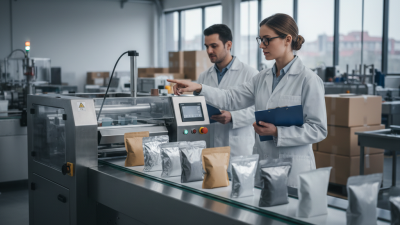
In industrial settings, these sealers help streamline operations. Yet, reliance on machines means employees must be trained properly. Sometimes, mistakes happen, leading to production delays.
Reflecting on these experiences can improve efficiency and minimize errors in the future. Hand-held heat sealers are valuable tools that offer great benefits when used correctly.