What is a Hot Sealer Machine and How Does It Work?
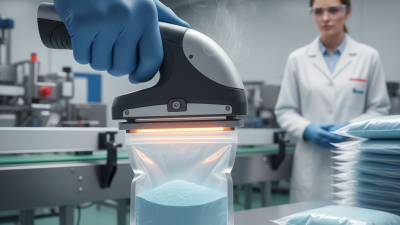
A hot sealer machine is an essential tool in various industries. It efficiently seals bags and pouches, ensuring freshness and safety. These machines use heat to create a strong bond between materials, primarily plastic films. This process is vital in food packaging, medical supplies, and more.
Understanding how a hot sealer machine operates can enhance its effectiveness. The machine heats the sealing area, allowing the materials to melt slightly. As they cool, a secure seal forms, protecting contents from external factors. Users must be aware of the machine's settings to achieve optimal results, which can sometimes be challenging.
While hot sealers offer numerous benefits, improper use can lead to weak seals. It’s crucial to maintain the machine regularly and adjust settings based on material thickness. Familiarity with the equipment fosters better performance and minimizes waste. Striking a balance between efficiency and effectiveness is necessary for anyone working with a hot sealer machine.
What is a Hot Sealer Machine?
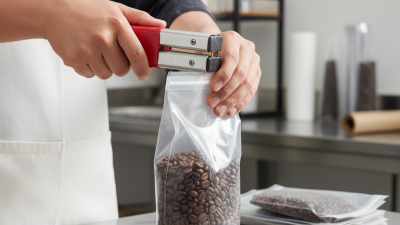
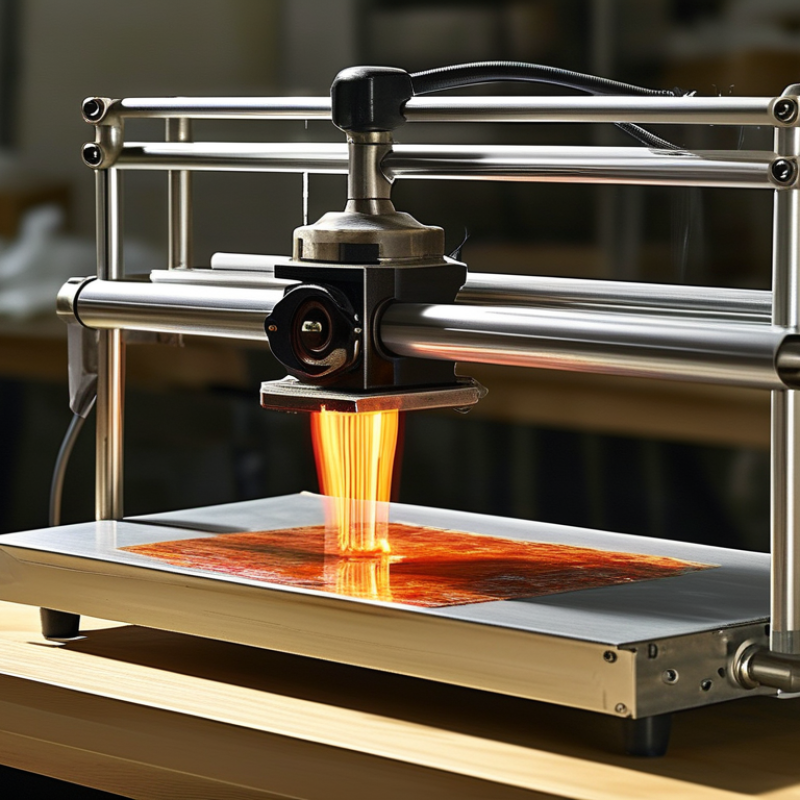
A hot sealer machine is a device used to seal packaging materials by applying heat. This technology is common in the food industry, where freshness is key. These machines can seal bags made from plastic, foil, or paper, creating a barrier against moisture and air. A common sight in factories and kitchens, they help maintain the quality of perishable goods.
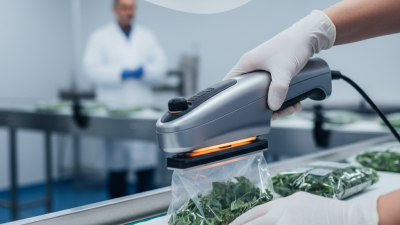
The operation of a hot sealer machine is fairly straightforward. It uses heated bars to melt the edges of the packaging material, fusing them together. This creates a strong seam. Most machines have adjustable temperature settings to accommodate different materials. Operators should carefully follow the guidelines to avoid damaging the product or achieving a weak seal. Improper use can lead to wasted materials and time.
Using a hot sealer machine requires some skill. Ensuring the right temperature and pressure is crucial for a perfect seal. It's not always a straightforward process, as not all materials behave the same under heat. Experience in handling different types of bags is invaluable. Mistakes can occur, like uneven sealing or burnt edges, reminding operators of the need for patience and precision. Learning from these errors fosters better results over time.
Types of Hot Sealer Machines and Their Applications
Hot sealer machines are essential tools in various industries. They come in different types, each tailored for specific applications. A common type is the impulse sealer, which creates a seal using a brief burst of heat. This method is efficient for sealing plastic bags, ensuring that products remain fresh and secure.
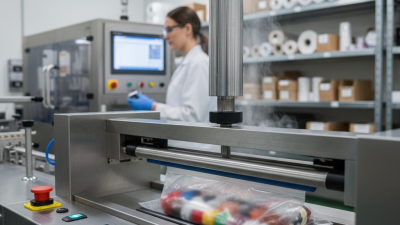
Another popular type is the continuous band sealer. It is ideal for high-volume production needs. This machine operates by feeding materials through a sealing mechanism, continuously applying heat. It’s commonly used in food packaging, where speed and reliability are crucial. Users often appreciate its efficiency but might need to adjust settings for different materials.
Vacuum sealers are also significant. They remove air from packaging, which helps to extend the shelf life of products. While effective, operators must ensure proper bag placement to avoid errors. Each type of hot sealer machine offers distinct advantages. However, selecting the appropriate one requires careful consideration of specific needs and limitations in the production line.
How Hot Sealer Machines Work: The Sealing Process Explained
Hot sealer machines are essential in various industries for packaging purposes. They perform the critical function of sealing products securely. The sealing process involves applying heat to thermoplastic materials. This heat causes the plastic to soften and then bond when cooled, creating a reliable seal. Industry data indicates that over 70% of packaging errors can occur during sealing.
Understanding the sealing process is vital. It typically starts with placing the product between two layers of packaging film. Next, the machine applies heat through its sealing jaws. The temperature and duration of heating must be precise. If the heat is too low, the seal may fail. Conversely, excessive heat can damage the packaging. A well-calibrated machine minimizes these risks, achieving optimal seal integrity.
Moreover, the environment plays a significant role in sealing efficacy. Humidity and temperature fluctuations can impact material behavior. Thus, operators need to monitor conditions closely. A study showed that improper sealing contributed to 25% of product spoilage in perishable goods. Regular maintenance of hot sealer machines is crucial for efficiency and performance. Maintaining proper equipment can significantly reduce errors and enhance product shelf life.
Hot Sealer Machine Performance Analysis
This bar chart illustrates the essential performance metrics of a hot sealer machine, including temperature, pressure, speed, and the variety of material types handled. Understanding these metrics can help optimize the sealing process and improve the efficiency of packaging operations.
Key Features and Benefits of Using a Hot Sealer Machine
Hot sealer machines are essential in packaging and food preservation. Their primary function is to create airtight seals that extend shelf life. According to industry reports, effective sealing can increase product longevity by up to 200%. This is significant for reducing food waste and ensuring quality.
Key features of hot sealers include temperature control, adjustable speed settings, and energy efficiency. Temperature control allows operators to find the ideal setting for various materials. Many machines include a built-in timer, ensuring consistent seals every time. The ergonomic design of hot sealers also enhances user comfort, which is especially important for high-volume operations.
**Tip:** Regularly inspect your machine's sealing components. Wear and tear can lead to inconsistent seals, jeopardizing the quality of your products. In addition, consider using materials specifically recommended for your sealer to avoid issues with adhesion and durability. Proper calibration is crucial for effective sealing. Always follow the manufacturer’s guidelines for best results.
What is a Hot Sealer Machine and How Does It Work? - Key Features and Benefits of Using a Hot Sealer Machine
| Feature |
Description |
Benefits |
| Temperature Control |
Allows precise settings for different materials. |
Ensures effective sealing without damaging the product. |
| Speed Settings |
Adjustable speed options for various sealing needs. |
Improves efficiency in production processes. |
| Durability |
Built with robust materials suitable for heavy usage. |
Longer lifespan reduces replacement costs. |
| Versatility |
Compatible with various types of packaging materials. |
Adaptable to different packaging requirements. |
| Ease of Use |
User-friendly interface and controls. |
Reduces training time and increases productivity. |
| Safety Features |
Incorporates protection against overheating and accidents. |
Enhances workplace safety and reduces risks. |
Maintenance Tips for Hot Sealer Machines to Ensure Longevity
Hot sealer machines are vital in packaging industries, providing effective sealing solutions. To ensure their longevity, proper maintenance is essential. Regularly clean the machine to prevent dirt accumulation, which can impair its function. Schedule inspections to identify wear and tear before it leads to costly repairs.
According to industry reports, proper maintenance can extend a machine's life by 30% or more. This includes checking sealing elements for damage. Even slight imperfections can affect seal integrity. Keep an eye on temperature settings, as fluctuations can lead to defective seals. For optimal performance, focus on lubricating moving parts regularly.
Ignoring maintenance can result in decreased efficiency. In fact, over 20% of machine downtime is attributed to lack of care. Establish a routine that includes cleaning, inspecting, and lubricating to mitigate risks. Awareness of potential issues can save time and resources. Be proactive rather than reactive with machine care to avoid future headaches.