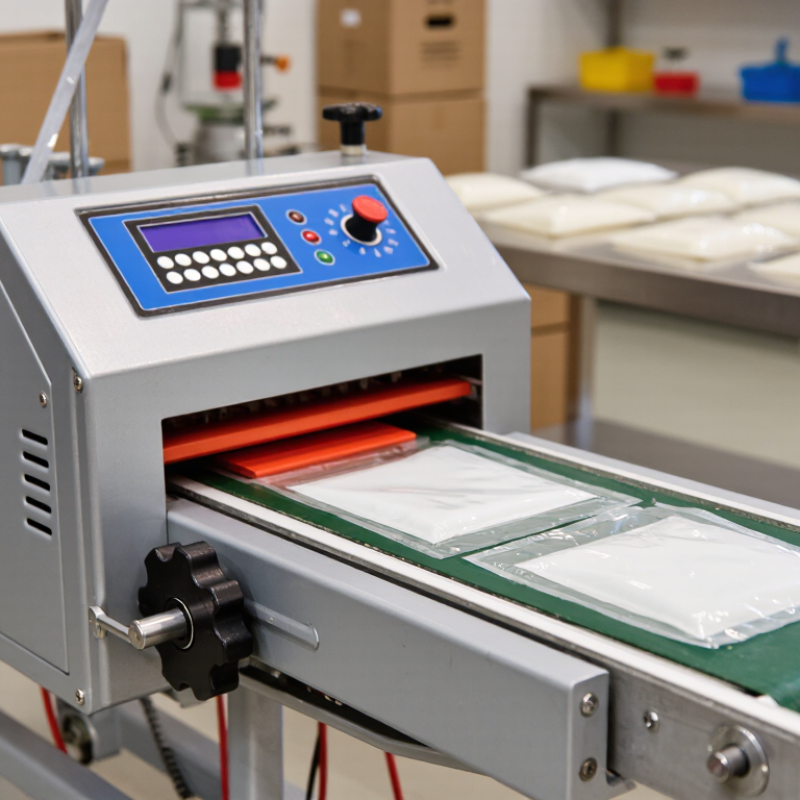
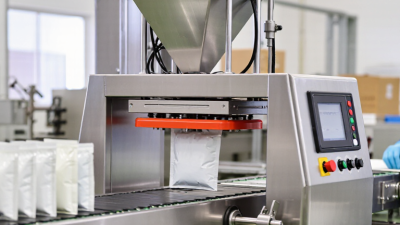
| 1. Compact Horizontal Band Sealer |
Benchtop unit; bags travel horizontally through heated sealing belts and cooling components. |
Small production runs, workshops, and operations with limited floor space. |
Conveyor capacity, adjustable temperature and speed, seal-width options, and ease of cleaning. |
Works with compatible heat-sealable films and pouches. Confirm film construction and thickness with the machine supplier. |
Small footprint and straightforward setup for lighter-duty production. |
May not support heavy bags, large packages, or high-volume operation as well as a floor-standing unit. |
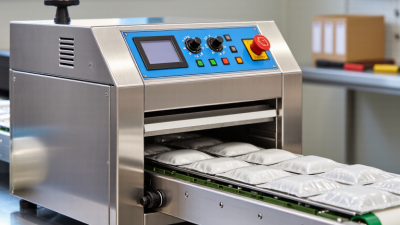
| 2. Floor-Standing Horizontal Band Sealer |
Conveyor-fed machine with a separate support stand; bags are sealed while lying flat. |
Regular production of lightweight or medium-weight pouches that can be fed horizontally. |
Conveyor speed range, belt adjustment, sealing-temperature control, package support, and available working height. |
Suitable for heat-sealable pouch materials when the temperature, pressure, and dwell time are matched to the film. |
Offers a more stable, production-oriented setup than a small benchtop unit. |
Requires more floor space; unsupported or bulky bags may need an alternative orientation. |
| 3. Vertical Continuous Band Sealer |
Sealing head and conveyor are arranged for bags held upright during sealing. |
Powders, granules, and other products that should remain below the open bag edge during sealing. |
Height adjustment, bag-guiding features, conveyor load capacity, sealing controls, and operator access. |
Check that the pouch material is heat-sealable and that the opening can be kept clean and flat during sealing. |
Helps reduce the risk of product spilling toward the seal area when filling upright bags. |
Bag stability and accurate alignment matter; very flexible or irregular bags can be harder to guide. |
| 4. Heavy-Duty Vertical Band Sealer |
Reinforced floor-standing configuration with a more substantial conveyor and frame than compact units. |
Heavier filled bags and longer production shifts, subject to the rated load of the specific machine. |
Maximum conveyor load, frame construction, duty rating, belt durability, and access for maintenance. |
Confirm both the bag material and filled-bag weight against the manufacturer's operating limits. |
Designed for more demanding handling than a light-duty benchtop sealer. |
Typically takes more space and may be unnecessary for low-volume or lightweight packaging. |
| 5. Continuous Sealer with Integrated Date Coding |
Band sealer fitted with a coding unit that prints information such as a date or batch code near the seal. |
Packaging lines that need a seal and a printed production or traceability mark in one pass. |
Supported code format, print position, character height, coding method, changeover time, and consumables. |
Verify that the code remains legible on the chosen film and does not interfere with the seal area. |
Combines sealing and coding steps, which can simplify workflow and reduce separate handling. |
Print quality and coding options depend on the installed coding system and packaging surface. |
| 6. Continuous Sealer with Gas-Flushing Option |
Sealing system configured to introduce a selected gas into a package before the seal is completed. |
Applications where a controlled package atmosphere is part of the product's packaging process. |
Gas compatibility, flow control, residual-oxygen requirements, bag handling, and integration with the production line. |
Use only packaging materials suitable for the intended product and gas-flushing process; validate results for the application. |
Can combine gas introduction and sealing in a continuous workflow. |
Requires a compatible gas supply and process validation; gas flushing alone does not establish product shelf life. |
| 7. Stainless-Steel Continuous Band Sealer |
Band-sealer configuration with stainless-steel exterior or product-area components, depending on the model. |
Facilities that prioritize corrosion resistance, frequent cleaning, or a cleanable equipment exterior. |
Which parts are stainless steel, approved cleaning method, enclosure design, electrical protection, and maintenance access. |
Film compatibility still depends on the pouch structure and the machine's sealing controls, not the frame material. |
Stainless-steel construction can be useful where cleaning and corrosion resistance are priorities. |
Stainless-steel appearance does not by itself mean the machine is washdown-rated or suitable for every sanitation regime. |