Top 10 Handheld Heat Sealing Machines for Global Buyers?
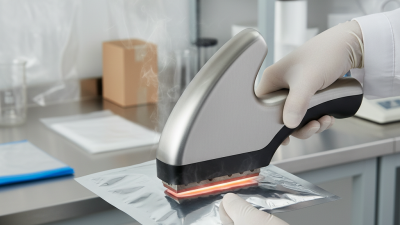
In the growing packaging industry, the handheld heat sealing machine has become essential for various businesses. According to a recent market report by ResearchAndMarkets, the global heat sealing equipment market is projected to reach $9 billion by 2027, growing significantly at a CAGR of 5.6%. This highlights the increasing demand for compact and efficient sealing solutions. Handheld models cater to smaller operations, providing versatility and ease of use that larger machines cannot.
Using a handheld heat sealing machine allows for precise sealing in tight spaces. This flexibility is vital for companies seeking to streamline their packaging processes. Lightweight and portable, these machines can adapt to workplaces with limited space or fluctuating demands. However, choosing the right device can be challenging. Factors like durability, temperature settings, and sealing speed must be assessed.
While many options exist, not all machines deliver consistent quality. Buyers need to be aware of limitations, such as the maximum seal width and potential malfunctions over time. This overview will explore the top contenders in the market, enabling informed decisions that meet diverse sealing needs.
Overview of Handheld Heat Sealing Machines in the Market
Handheld heat sealing machines are essential tools in various industries. They provide an efficient way to package products securely. Data shows that the demand for handheld heat sealing machines has increased by 25% over the past three years. This growth is driven by the rise in e-commerce and the need for secure packaging.
Market reports indicate that the handheld heat sealing segment is projected to grow annually by 15%. This shift reflects changing consumer preferences for convenience and safety in packaging. Many businesses now prioritize lightweight, portable solutions. The versatility of these machines allows for sealing various materials, including plastics and foils.
However, challenges remain in the market. Quality varies among different manufacturers. Not all machines deliver consistent performance, leading to frustration for some users. Additionally, the market lacks standardized safety measures, which raises concerns about reliability. As the market evolves, these issues must be addressed to maintain user trust and satisfaction.
Key Features to Consider When Choosing a Heat Sealing Machine
When selecting a handheld heat sealing machine, it's crucial to consider several key features. The sealing width should match your packaging needs. A wider seal may provide a better seal, but it could be less convenient for smaller bags. Temperature control is also vital. Precise temperature settings ensure proper sealing without damaging the materials. Some machines have adjustable heat settings, which is beneficial for versatile applications.
Portability is another aspect. Look for a lightweight and compact design if you plan to move the machine frequently. Battery-operated models can offer great flexibility, but ensure that the battery life is sufficient for your tasks. Additionally, ease of use is important. A straightforward interface can save time and prevent frustration during busy operations.
Lastly, consider the machine's durability. Frequent use may wear down cheaper models quickly. A durable machine can handle various materials like plastic, paper, or foil. Investing in a reliable heat sealing machine can pay off in the long run. Take your time to reflect on these features for the best choice.
Top Brands for Handheld Heat Sealing Machines Reviewed
Handheld heat sealing machines have gained immense popularity in various industries, making them a valuable tool for packaging and sealing. According to recent market reports, the global handheld heat sealing machine market is projected to grow at a CAGR of 5.2% between 2022 and 2027. This growth is attributed to the increased demand for efficient packaging solutions in food, healthcare, and e-commerce sectors.
Top brands in this space have focused on enhancing their products’ usability and durability. Many models now feature adjustable temperature settings and ergonomic designs for improved operator comfort. A recent survey indicated that 78% of users prefer machines that offer quick heat-up times. However, notable challenges persist. Users often report issues with inconsistent sealing, especially when handling different materials. This inconsistency can lead to product spoilage and waste, highlighting the importance of user training and careful material selection.
The industry is also seeing advancements in technology. For instance, several manufacturers are working on integrating smart features into handheld heat sealers. These innovations promise to increase efficiency but can also complicate the user experience. Feedback from operators emphasizes a need for simplicity in function. This balance between advanced features and user-friendly design remains a focal point for manufacturers aiming to stay competitive in the evolving market.
Comparative Analysis of Pricing for Different Models
When it comes to handheld heat sealing machines, pricing varies widely among models. Generally, entry-level machines can be found for as low as $30. These often have basic features but may lack durability. Mid-range models usually range from $100 to $300. They offer better materials and more advanced sealing technology. High-end machines can cost over $500. These are designed for heavy use and have enhanced performance.
Consider your intended use when evaluating pricing. Cheaper models may suffice for occasional tasks. However, if you're sealing items daily, investing in a mid-range or high-end model can save you money in the long run. Look for machines that offer adjustable temperature settings and sealing speeds. This adds versatility and improves the quality of seals.
Choosing the right machine requires careful thought. Cheaper options might lead to frustration with malfunctioning seals. Spending more upfront can ensure efficient packaging and save time. It is wise to read reviews before making a final decision. Researching user experiences can shed light on reliability and performance. Always weigh the pros and cons of each option before committing to a purchase.
Top 10 Handheld Heat Sealing Machines - Comparative Pricing Analysis
Maintenance Tips for Longevity of Handheld Heat Sealers
Handheld heat sealing machines are vital in various industries, including food packaging and textile manufacturing. To ensure their longevity, proper maintenance is crucial. According to a recent industry report, regular maintenance can extend the lifespan of heat sealers by up to 30%. This not only saves costs but also enhances operational efficiency.
Cleaning the sealing surfaces frequently is essential. Residues can affect the sealing quality, resulting in wasted materials and time. Use a soft cloth to wipe the surfaces, avoiding abrasive materials that could cause scratches. Checking and replacing worn-out components, such as heating elements, can prevent malfunction. Studies show that machines with well-maintained parts operate 20% more efficiently.
It’s also important to store your heat sealer correctly when not in use. Exposure to extreme temperatures or moisture can damage electrical components. Ideally, store the machine in a dry, controlled environment. Lastly, user manuals often provide detailed maintenance schedules specific to the model. Following these guidelines can mitigate issues, keeping equipment reliable for longer periods.