3D Barrier Bags, Inc

7 Tips for Choosing a Commercial Bag Sealing Machine

Choosing a commercial bag sealing machine is not just about finding the fastest model. The right choice depends on your packaging materials, daily output, workspace, and sealing requirements. A machine that handles thin polyethylene bags may not seal thicker laminated pouches consistently. Even a neat specification sheet can mislead.

Start with the details of your actual production line. How wide are the bags? How many packages must be sealed each hour? Will operators seal continuously, or in short batches? These answers help narrow the options, from compact impulse sealers to continuous band machines. Small details matter. A narrow worktable, limited power access, or changing bag sizes can affect daily use more than an impressive speed claim.

The following seven tips will help you compare sealing width, temperature control, cycle speed, construction, maintenance, and operator safety. Look for clear guidance from manufacturers on compatible materials and recommended settings. If possible, test representative bags before purchasing; a sample seal should be checked for uniformity and strength after cooling. Not every upgrade helps. A higher-capacity model may add cost without improving your workflow, while an undersized unit can create queues and inconsistent results. There is no perfect machine for every business. Use your product mix and real operating conditions to make a practical, informed choice.

7 Tips for Choosing a Commercial Bag Sealing Machine

Identify Bag Material, Thickness, and Seal-Layer Compatibility

A commercial bag sealer should be matched to the bag’s full structure, not just its outer appearance. A clear pouch may combine polyester, polyethylene, and an adhesive layer; each responds differently to heat and pressure. The Flexible Packaging Association’s 2023 industry report estimated U.S. flexible-packaging sales at $42.9 billion in 2022, reflecting the wide range of structures processors may encounter. Check the supplier’s material specification for the sealant layer, then test samples from the actual production lot. Do not assume two similar-looking films seal alike.

Thickness matters, but it is only part of the decision. Measure the complete bag wall, and note whether folds or gussets add layers at the sealing area. A thin sealant layer may need less heat and dwell time; too much can cause wrinkles, burn-through, or a brittle seal. Too little may leave channels. Small adjustments count. ASTM F88/F88M provides a method for measuring flexible-material seal strength, while visual inspection alone cannot confirm a repeatable seal. I still see this check rushed. Run trials across realistic temperature and line-speed settings, inspect the seal, and record the settings that work. Then repeat with filled bags: product dust or moisture near the seal can change the result.

Match Machine Throughput to Required Bags per Minute and Duty Cycle

A sealer rated at 30 bags per minute may not deliver that speed on your floor. Film thickness, bag width, product residue near the seal, and operator loading all affect sustained output. PMMI’s 2024 State of the Industry report estimated U.S. packaging machinery shipments at about $10.9 billion in 2023, reflecting continued investment in packaging equipment. For a buyer, the useful question is not just rated speed. Ask suppliers to demonstrate your actual bag material and dimensions, then record stable output over a full production run.

Calculate demand from saleable bags, not the machine’s headline rate. If a shift needs 4,800 bags across six productive hours, the target is 13.3 bags per minute. A machine that consistently seals 16 to 18 bags per minute may provide workable headroom, but validate that figure against changeovers, jams, and cleaning. Don’t forget duty cycle: a unit designed for intermittent use may struggle during long, continuous runs. Check the specified operating schedule and ask how performance changes as the sealer warms up. Small detail. Watch the seals. If edges look uneven after an hour, speed alone is not a win. Estimates can miss real interruptions, so track a representative shift before committing.

Compare Impulse and Continuous Sealing by Temperature, Dwell Time, and Pressure

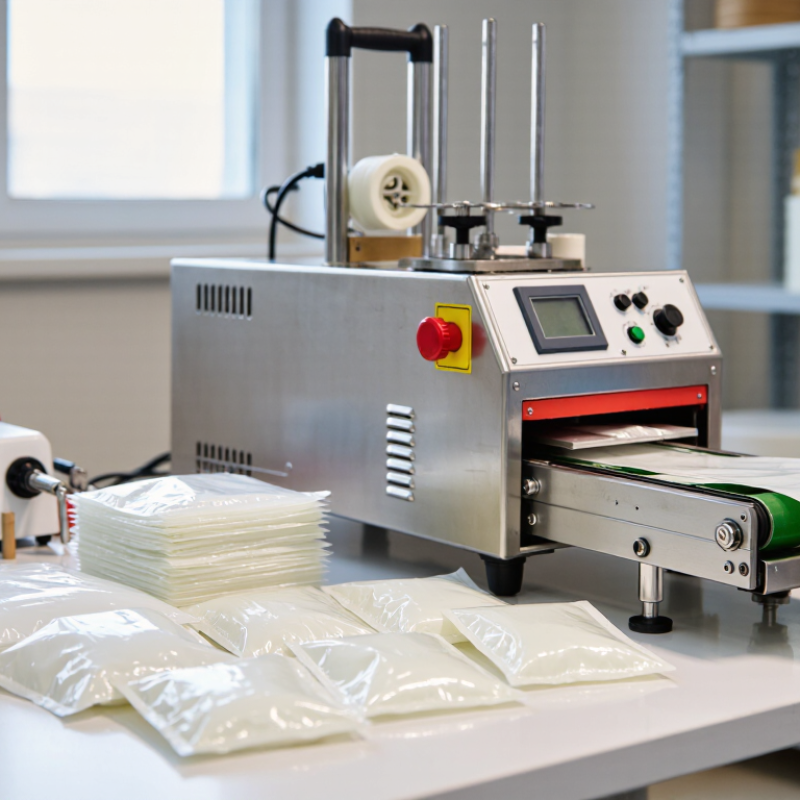
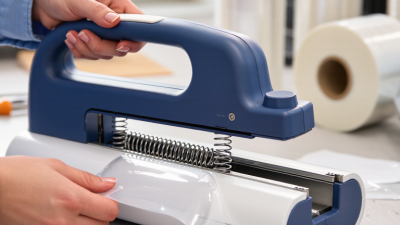
Choosing between impulse and continuous sealing starts with the film, bag thickness, and production pace. Impulse machines heat the sealing bar only during each cycle, making them useful for smaller batches and heat-sensitive packaging. The operator places the open edge between the jaws, waits through the set dwell time, then releases it. Small changes matter. Too little dwell can leave channels; too much may wrinkle or weaken the film.

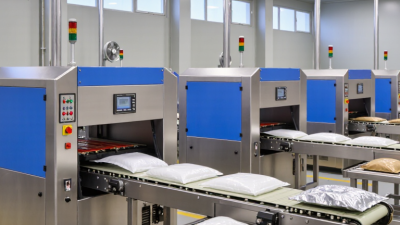
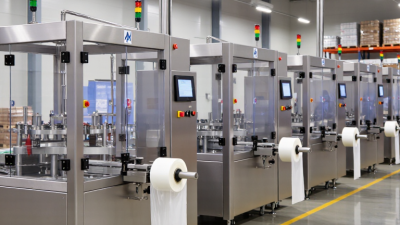
Continuous band sealers move bags past heated belts, so they suit repeated, higher-volume work. Their temperature must match the film’s sealing range, while belt speed determines how long heat stays on the seam. Pressure from the belts helps bring the layers together, but excessive pressure can squeeze softened material away. Inspect several cooled seals, not just the first one.

Pressure is sometimes overlooked. A clean, even seal should resist a gentle pull and show no gaps along the corners. Test settings with the actual bag material and filled package, since residue near the opening can affect the result. Record temperature, dwell time or belt speed, and pressure during trials. Production conditions vary; bag thickness and room temperature can shift results. Adjust one setting at a time and inspect samples after cooling.

Verify Seal Strength Using ASTM F88/F88M Test Methods

ASTM F88/F88M provides a practical way to measure the force needed to separate a flexible package seal. When comparing commercial bag sealing machines, test bags made from the same film, with identical settings and seal dimensions. Keep jaw temperature, pressure, and dwell time consistent. Small details matter.

Cut strips to a consistent width and test them with a calibrated tensile tester. Follow the chosen F88/F88M procedure, including its specimen-grip configuration, and record the peak force and failure mode. A seal that peels cleanly differs from one that tears through the film. Test several samples from each machine setting; one strong result proves little. Not enough by itself.

Use the results to compare repeatability, not just the highest reading. The standard describes a test method, not a universal pass value, so set acceptance limits for your product and application. Record film lot, conditioning, test speed, and seal settings so another operator can repeat the work. A common oversight is testing only freshly sealed bags. Allow samples to cool consistently, and consider evaluating them after storage or handling. Even careful tests have limits: F88/F88M measures seal strength, not every aspect of package integrity.

Assess Package Leak Testing with ASTM F2096 Bubble-Emission Testing

A commercial bag sealer should be assessed with packages made under real production conditions, not ideal bench settings. ASTM F2096 bubble-emission testing can help identify gross leaks in flexible packaging. The package is internally pressurized and submerged in water; escaping air appears as bubbles. Small bubbles matter. A steady stream can reveal a leak’s location, while a single trapped bubble may simply come from handling.

Set pressure and test duration for the package, following the current ASTM method and suitable laboratory procedures. Too much pressure can create damage that the sealer never caused. Use clear water, good lighting, and an agreed inspection time so operators judge samples consistently. Record the bag material, seal settings, pressure, and observed leak locations. Then compare results across settings or production runs. Not every defect. This method is designed to detect gross leaks, not prove that a package has no microscopic pathways or will withstand every shipping condition. It is also a destructive test, so plan enough samples. The setup can feel fussy, and that is worth admitting: inconsistent handling can make a sound sealing machine look unreliable. Use findings alongside routine seal checks when choosing equipment and refining process settings.

7 Tips for Choosing a Commercial Bag Sealing Machine - Assess Package Leak Testing with ASTM F2096 Bubble-Emission Testing

Tip Selection Dimension What to Check Practical Evaluation ASTM F2096 Connection
1 Bag material compatibility Confirm the machine can seal the specific film structure, sealant layer, and material thickness used in production. Run samples made from the actual packaging material and check for consistent, continuous seals without scorching or wrinkling. Use representative production packages when evaluating leaks; package material and construction can affect test suitability and results.
2 Sealing method and process window Compare suitable sealing approaches, such as impulse, heated-bar, or continuous-band sealing, against the material and production process. Check control of temperature, dwell time, and sealing pressure where applicable. Ask for trials across the intended operating range, rather than relying only on a single successful sample. Test packages sealed at established operating settings to assess whether the finished package shows leakage under the selected procedure.
3 Bag size and seal geometry Verify the sealing length and usable opening accommodate the full range of bag widths, filled-package dimensions, and required seal locations. Check that product, folds, and contamination do not enter the seal area, and that the seal is uniform from end to end. Record the package configuration and inspect the seal area during bubble-emission testing to help locate gross leaks.
4 Required production throughput Compare the required output with the machine’s stated cycle or line rate, accounting for bag dimensions, operator handling, and product loading. Measure output during a representative run; a rated speed may depend on the material, package size, and operating setup. Plan leak testing as a separate inspection or validation activity; ASTM F2096 testing is destructive and is not a substitute for production-rate sealing controls.
5 Adjustment, monitoring, and repeatability Review how operators set and monitor sealing conditions, and whether settings can be applied consistently between runs and shifts. Document the approved setup and check seals after changes to material, equipment settings, or production conditions. Keep test conditions and observations documented so results can be compared across samples; follow the applicable standard procedure and package-specific validation plan.
6 Cleaning, maintenance, and operator safety Assess access to cleanable areas, routine maintenance needs, guarding, and the availability of clear operating instructions. Review cleaning and maintenance procedures for the intended environment and confirm operators can use the equipment safely. Conduct leak testing with appropriate equipment and trained personnel, following the relevant safety precautions and test instructions.
7 Package leak-test suitability Determine whether ASTM F2096 bubble-emission testing is appropriate for the package and the leak-detection objective. The method uses internal pressurization while the package is submerged. Establish package-specific test conditions and acceptance criteria. Visible bubbles can indicate a leak; the method detects gross leaks and does not, by itself, quantify a leak rate. Treat the test as destructive, use representative samples, and consult the current ASTM F2096 procedure for applicable method details and limitations.

Note: Machine performance and leak-test results depend on the package design, materials, setup, and test conditions. Confirm requirements using the current applicable standard and a package-specific validation plan.