| Machine Overview |
Definition |
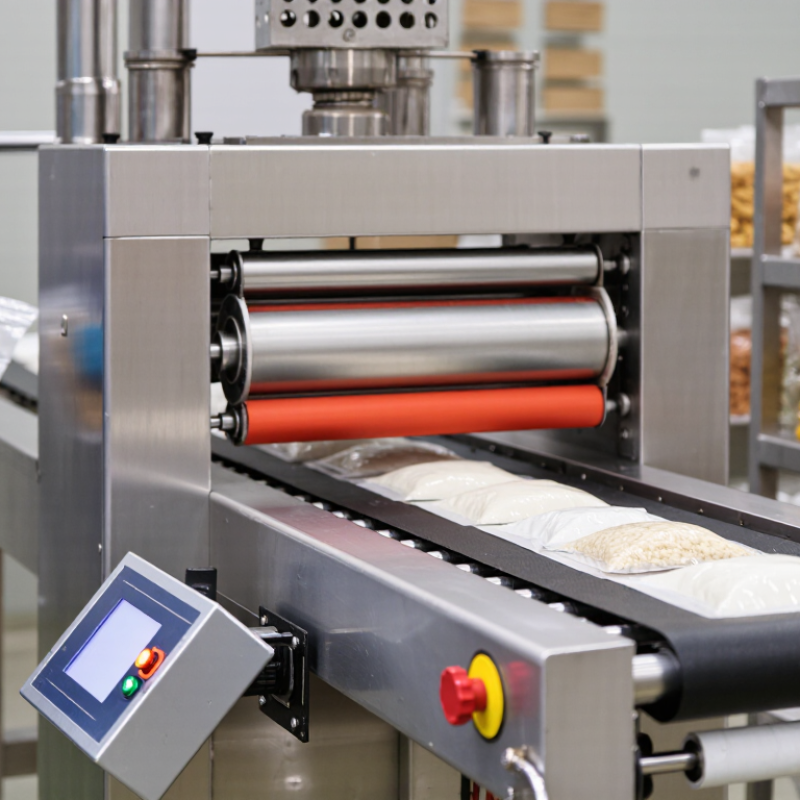
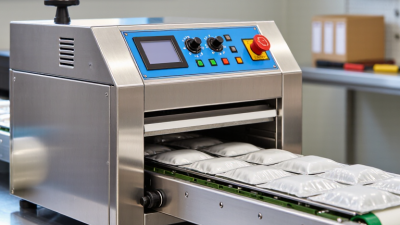
A continuous heat sealer is a packaging machine that uses heated sealing surfaces, controlled pressure, and a moving conveyor or belt system to close thermoplastic bags continuously. |
| Machine Overview |
Suitable Packaging Materials |
Common sealable materials include polyethylene, polypropylene, laminated films, coated paper, and other thermoplastic packaging structures. The material must have a heat-sealable inner layer. |
| Machine Overview |
Typical Production Mode |
Designed for repeated or high-volume packaging where filled bags are introduced one after another without stopping the sealing line for every package. |
| Main Component |
Frame and Housing |
Supports the heating, transmission, electrical, and conveyor assemblies. Stainless steel construction is commonly selected for applications requiring easier cleaning and corrosion resistance. |
| Main Component |
Heating Blocks or Sealing Bars |
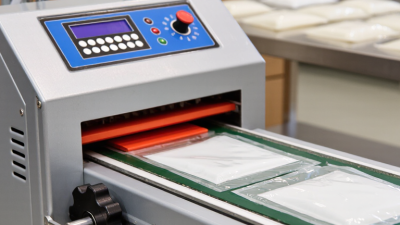
Transfer controlled heat to the packaging film. Depending on the design, the machine may use heated belts, heated wheels, or opposing sealing jaws. |
| Main Component |
Temperature Controller |
Maintains the selected sealing temperature through sensors and electronic feedback. Typical operating temperatures are often about 100–250°C, depending on film structure and machine design. |
| Main Component |
Pressure Belts or Sealing Wheels |
Apply consistent pressure while the heated sealing surfaces contact the bag. Stable pressure helps form a continuous seal with uniform width and appearance. |
| Main Component |
Conveyor System |
Supports and transports the bag through the sealing area. Conveyor height, direction, and speed may be adjusted to match the package size and production layout. |
| Main Component |
Speed Control |
Controls the dwell time, which is the time the packaging material remains exposed to heat and pressure. Typical continuous sealing speeds may range from approximately 5–20 m/min, depending on the application. |
| Main Component |
Drive Motor and Transmission |
Provides synchronized movement for the conveyor, belts, or wheels. A stable drive system helps maintain consistent sealing speed and reduces variations along the seal. |
| Main Component |
Cooling Zone |
Allows the newly formed seal to cool under pressure before the package exits. Cooling helps improve seal stability and reduces the risk of opening while the film is still soft. |
| Main Component |
Control Panel |
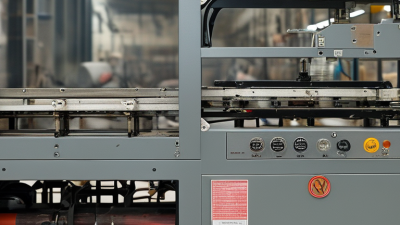
Usually provides adjustments for temperature, conveyor speed, sealing direction, and start/stop functions. Some systems also display alarms or operating status. |
| Main Component |
Safety Features |
May include guards, emergency-stop controls, over-temperature protection, insulated surfaces, and interlocks. Operators should follow the machine’s safety instructions because sealing areas become hot during operation. |
| Sealing Process |
1. Bag Positioning |
The open edge of the filled bag is placed into the entry area, normally keeping the mouth flat and free of product, dust, or wrinkles. |
| Sealing Process |
2. Bag Conveying |
The conveyor or belt system moves the bag at a controlled speed toward the heating and compression section. |
| Sealing Process |
3. Heating |
Heated belts, wheels, or bars soften the thermoplastic sealing layer. The required temperature depends on the film composition, thickness, and production speed. |
| Sealing Process |
4. Pressure Application |
Opposing belts or wheels press the softened layers together. Pressure helps remove gaps and encourages the layers to fuse into a continuous seal. |
| Sealing Process |
5. Cooling and Stabilization |
The seal passes through a cooling section while remaining supported or compressed. The joint becomes more stable as the sealing layer returns to a solid state. |
| Sealing Process |
6. Finished Package Discharge |
The sealed bag leaves the machine and can proceed to inspection, coding, weighing, cartoning, or palletizing operations. |
| Key Variables |
Temperature |
Too little heat can produce a weak or incomplete seal, while excessive heat can distort, burn, or perforate the packaging film. |
| Key Variables |
Pressure |
Insufficient pressure may create channels or unsealed areas. Excessive pressure can deform the film or force product into the sealing zone. |
| Key Variables |
Sealing Speed |
Higher speed reduces heat exposure time and may require a higher temperature or a film with better heat-sealing characteristics. |
| Quality Check |
Visual Inspection |
Check for a straight, continuous seal without wrinkles, burns, channels, contamination, or visible openings. |
| Quality Check |
Seal Strength Testing |
Representative samples can be tested by manually opening the seal, performing a peel test, or using a measured tensile method appropriate for the packaging specification. |
| Quality Check |
Leak Testing |
For products requiring containment, packages may be checked using pressure, vacuum, immersion, or other validated leak-detection methods. |
| Operational Benefit |
Continuous Throughput |
The moving sealing system supports faster and more consistent operation than manually sealing individual bags, especially in repetitive packaging applications. |
| Operational Limitation |
Material Compatibility |
The machine cannot properly seal every packaging material. Film layers, thickness, coating, contamination, and temperature sensitivity must be evaluated before production. |