3D Barrier Bags, Inc

How to Choose the Best Continuous Heat Sealer Machine?

Choosing the right continuous heat sealer machine begins with the package, not the catalog. Film thickness, seal width, bag length, and product temperature all affect sealing performance. A machine handling 80 bags per minute may struggle when powder reaches the sealing area. That detail matters. Experienced operators usually inspect sample bags before trusting a speed claim. They check seal strength, wrinkles, burn marks, and leaks after cooling. These simple checks often reveal problems hidden by attractive specifications.

A professional evaluation should connect machine design with daily production demands. Consider conveyor height, temperature control, belt material, coding options, and cleaning access. Digital controls look impressive, but stable heating and repeatable pressure matter more. Ask suppliers for test results using your actual film and product. Reliable suppliers explain tolerances, spare parts, training, and service response times. Independent standards and documented quality procedures add useful confidence. Still, paperwork cannot replace a practical factory trial.

Budget decisions deserve equal care. An inexpensive unit may consume more labor through adjustments and rejected packages. A premium machine may also be excessive for small batches or simple polyethylene bags. Match capacity to realistic demand, including seasonal peaks. Review total ownership cost, not only the purchase price. Ask how quickly an operator can change film, clean the sealing unit, and correct temperature drift. Those minutes become expensive across a full shift. No machine is perfect. Even strong recommendations need testing, measurement, and honest review. This guide examines those decisions closely, helping buyers choose dependable equipment with fewer surprises.

How to Choose the Best Continuous Heat Sealer Machine?

Understanding Continuous Heat Sealing Machine Types and Applications

How to Choose the Best Continuous Heat Sealer Machine?

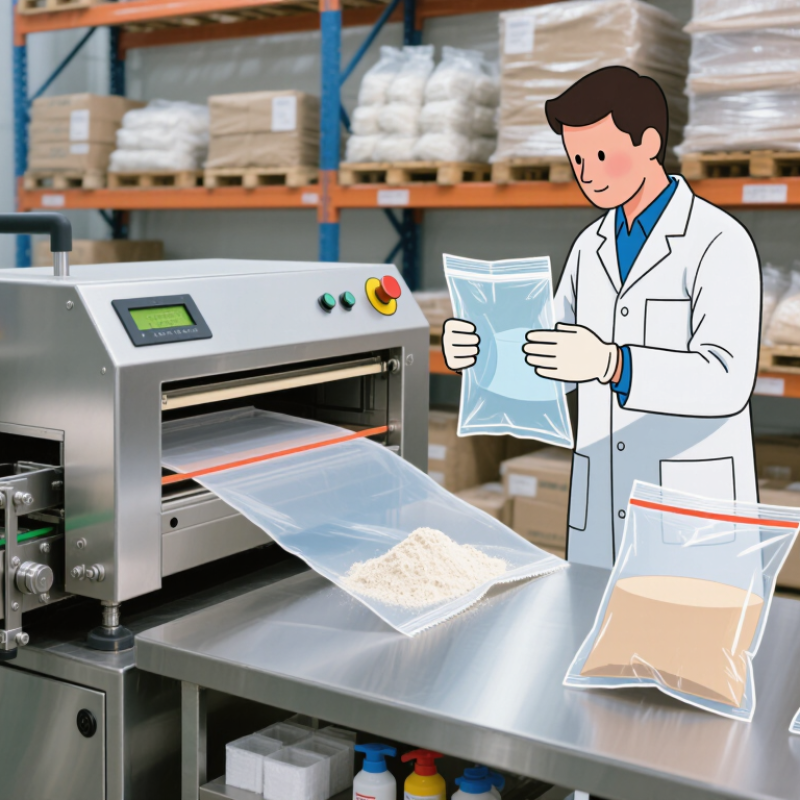
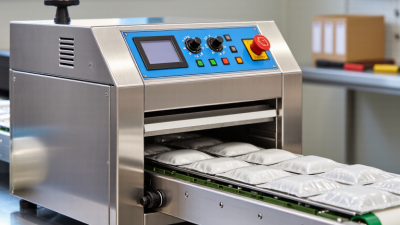
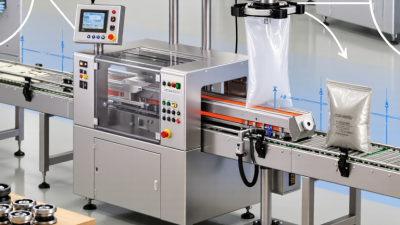
Continuous heat sealing machines use heated bands to close bags while products move steadily through production. They suit packaging lines that need consistent seals, rather than occasional hand sealing. Horizontal models work well with flat products, such as snacks, powders, and small hardware. Vertical models handle liquid or granular products more safely, because the filled bag remains upright.

Different films need different sealing conditions. Polyethylene, laminated films, and coated materials may require varied temperature, pressure, and conveyor speed. A machine with adjustable controls gives operators more practical flexibility.

For dusty products, choose a design with accessible sealing parts and simple cleaning points. For heavier bags, check conveyor capacity and seal width. In my experience, a fast machine can still disappoint when the seal cools unevenly. That detail is easy to miss.

Tips: Test the actual film before purchase. Check seal strength after cooling, not immediately. Watch the package travel through the machine. Does it wrinkle? Does powder enter the seal area? Record temperature, speed, and pressure during trials. These notes help operators repeat successful settings. However, trial results can change with humidity, film storage, and product weight. A perfect setting today may need adjustment tomorrow.

Defining Packaging Requirements Before Selecting a Sealer

How to Choose the Best Continuous Heat Sealer Machine?

Defining packaging requirements should come before comparing machines. Start with the film structure, bag width, product temperature, and expected throughput. A sealer handling polyethylene may perform poorly with coated laminates. Record the seal width, dwell time, and cooling needs. Then test real packages, not empty film samples. Small wrinkles can become large leaks during transport.

Smithers valued the global flexible packaging market at approximately US$300 billion in 2023. Its market analysis also points to continued growth through 2028. This growth increases pressure for reliable seals and less material waste. PMMI industry reports identify labor shortages as a continuing reason for packaging automation. That does not mean maximum speed is always best. An oversized machine can waste energy, floor space, and maintenance time. I have seen teams select speed before defining seal quality. That decision often needs revisiting.

Tips: Create a simple test matrix. Compare seal strength, leakage, speed, and temperature stability. Use your actual film, product, and filled bags. Check whether operators can change settings without guesswork. Ask for repeatable test records. A perfect laboratory seal may fail after vibration, cold storage, or rough handling. Also measure rejected packages for one full shift. The result may challenge your first equipment choice.

How to Choose the Best Continuous Heat Sealer Machine? - Defining Packaging Requirements Before Selecting a Sealer

Continuous Heat Sealer Selection Guide Based on Packaging Requirements
Packaging Requirement Typical Operating Range or Condition Recommended Sealer Configuration Key Selection Considerations Practical Recommendation
Bag Material Heat-sealable plastic films, laminated films, coated paper, and foil laminates Choose a sealer with temperature control compatible with the film's sealing layer The sealing layer, not only the outer film, determines the required sealing temperature and dwell time Confirm the film structure and obtain the supplier's recommended sealing-temperature range before testing
Film Thickness Approximately 40–200 micrometres for many flexible packaging applications Adjustable sealing pressure, temperature, and conveyor speed Thicker or multilayer materials generally require greater heat input and longer sealing time Run trials at the minimum temperature and shortest dwell time that produce a continuous, peel-resistant seal
Bag Width Common production bags are often 80–500 mm wide, depending on the product Horizontal or vertical continuous band sealer with a suitable conveyor and sealing-bar length The usable sealing width must accommodate the bag opening without interfering with the product or filling level Select a machine with working clearance beyond the maximum bag width required for production
Bag Orientation Small, stable bags or products that can stand upright Horizontal continuous sealer Horizontal sealing is suitable when the bag mouth can be presented consistently at conveyor height Use this configuration for relatively stable products and regular bag shapes
Bag Orientation Powders, liquids, irregular products, or bags that are difficult to position horizontally Vertical continuous sealer Vertical sealing helps reduce product interference at the seal area and supports gravity-fed packaging lines Consider vertical sealing when the product may spill, settle, or contaminate a horizontal seal
Production Speed Low-volume: up to about 10 m/min; medium-volume: about 10–20 m/min; higher-volume: above 20 m/min Variable-speed conveyor and matched heating capacity Actual throughput depends on bag spacing, filling speed, product handling, and seal length Choose a machine whose continuous speed exceeds the required line speed by a reasonable operating margin
Required Seal Width Typically 2–12 mm for flexible bags, depending on material and application Selectable sealing-band width and stable pressure adjustment Seal width affects strength, appearance, material consumption, and resistance to leakage Use a wider seal for demanding applications only when the film and product requirements justify it
Product Temperature Ambient, chilled, or warm product conditions Temperature-stable sealing jaws or continuous sealing bands Condensation, residual moisture, oil, or powder in the seal area can weaken the seal Keep the seal zone clean and allow hot or wet products to reach a suitable condition before sealing where possible
Moisture and Contamination Risk Low risk for dry goods; moderate to high risk for powders, liquids, oily products, or dusty materials Easy-clean sealing components, protective guards, and suitable seal-jaw geometry Contamination is a common cause of channels, incomplete seals, and leaks Specify cleaning access and test seals using the most challenging realistic contamination condition
Temperature Requirement Common flexible-film sealing temperatures are approximately 100–200°C, but the correct value depends on the material Digital temperature controller with independent adjustment for the sealing zone Higher temperature is not always better; excessive heat can distort film or damage the seal layer Establish a validated temperature window through peel, leak, and visual seal testing
Gas Flushing or Modified Atmosphere Required for selected food, pharmaceutical, or oxidation-sensitive products Sealer integrated with a controlled gas-flushing and filling system The sealer alone does not establish gas concentration; residual oxygen and package integrity must be verified separately Define target gas composition, residual oxygen level, and allowable leak rate before selecting the equipment
Food or Pharmaceutical Use Applications requiring hygiene control, traceability, and repeatable sealing Stainless-steel contact areas, hygienic design, accessible cleaning points, and documented settings Equipment construction, cleaning procedures, and validation requirements may be more important than maximum speed Prioritize cleanability, material compatibility, seal verification, and documented operating procedures
Seal Strength Light-duty closure, standard distribution, or high-integrity packaging Machine with adjustable pressure, temperature, speed, and cooling control where required Seal strength depends on film structure, sealing conditions, contamination, and cooling—not on temperature alone Define acceptance criteria such as minimum peel strength, visual quality, and leak performance
Electrical Supply Common industrial supplies include single-phase 110–120 V or 220–240 V, depending on location Machine configured for the available site voltage and frequency Electrical requirements vary by heater power, conveyor motor, controls, and optional accessories Verify voltage, frequency, rated current, plug type, and circuit capacity before installation
Available Floor Space Benchtop, compact floor-standing, or integrated production-line installation Choose machine orientation, conveyor height, and access panels to match the workspace Allow additional clearance for loading, cleaning, maintenance, ventilation, and emergency access Measure the complete installation area rather than only the machine footprint
Automation Level Operator-fed bags, semi-automatic production, or fully integrated packaging line Basic continuous sealer, conveyor-linked sealer, or line-controlled sealer with sensors Automation should match upstream filling consistency and downstream inspection or labeling equipment Do not purchase high automation without confirming compatible product flow and control signals
Quality Inspection Visual inspection for basic applications; leak, peel, burst, or seal-integrity testing for critical packages Sealer with repeatable parameter control and optional date or batch coding Process settings should be recorded and periodically verified using representative packages Build a seal-quality test plan covering start-up, normal production, material changes, and shutdown
Changeover Frequency Single film and bag size; occasional changes; or frequent multi-format production Tool-less adjustment, clear scales, recipe storage, and accessible sealing components Frequent changeovers increase the value of quick adjustment and repeatable stored parameters Evaluate total changeover time, including cleaning and verification—not only mechanical adjustment
Maintenance and Spare Parts Daily production with planned preventive maintenance Replaceable heating elements, belts, bearings, temperature sensors, and accessible guards Wear parts and service access influence long-term uptime and operating cost Confirm spare-part availability, maintenance intervals, and operator training requirements before purchase

Note: The ranges shown are general engineering guidelines for initial selection. Final machine settings should be established through trials with the actual packaging material, product, bag dimensions, production speed, and required seal-integrity tests.

Comparing Sealing Performance, Materials, and Machine Capacity

How to Choose the Best Continuous Heat Sealer Machine?

Sealing performance starts with the film, not the machine. In production trials, I check seal width, temperature stability, pressure, and conveyor speed together. A clean seal should resist peeling without scorching the inner layer. ASTM F88/F88M testing can measure seal strength, while ASTM F2029 helps evaluate heat-sealing characteristics. These tests expose weak settings that visual inspection often misses.

Material choice changes the required sealing window. Polyethylene films usually tolerate broader temperature ranges than laminated structures. Foil laminates may need higher heat and longer dwell time. Recyclable mono-material films can be less forgiving. Smithers’ 2024 flexible packaging report identifies mono-material structures as a major growth direction, increasing the need for precise process control. The Flexible Packaging Association reported approximately 39.3 billion dollars in U.S. flexible packaging sales during 2023. That scale makes small sealing defects expensive.

Machine capacity must match real workload. Compare maximum bag width, sealing speed, duty cycle, and hopper or conveyor integration. A machine rated for 20 meters per minute may slow sharply with thicker films. PMMI industry research repeatedly highlights labor efficiency and reliable automation as packaging priorities. I would request a sample run using the actual film, fill weight, and operating speed. One weakness remains: suppliers may test under ideal conditions. Recheck performance after warm-up, film-roll changes, and several hours of continuous operation.

Evaluating Controls, Safety Features, Maintenance, and Operating Costs

How to Choose the Best Continuous Heat Sealer Machine?

Controls should match the operator, not challenge them. Choose a sealer with clear temperature, speed, and pressure displays. Digital alarms should identify overheating, belt drift, and sealing faults. Data logging also helps compare shifts and detect gradual performance loss. In production reviews, simple controls often reduce training mistakes. However, touchscreens can fail in wet or dusty areas. Physical emergency stops still matter. OSHA reports that effective energy-control procedures prevent about 120 fatalities and 50,000 injuries annually in the United States. Therefore, check guarding, emergency stops, cool-down functions, and lockout access before comparing prices.

Maintenance shapes the real operating cost. Inspect sealing belts, heaters, bearings, and cooling fans at fixed intervals. Ask whether technicians can replace common parts without removing the entire conveyor. A machine with cheap heaters may consume more labor during repeated failures. Energy use, rejected packages, spare parts, and unplanned downtime should enter the purchase calculation. A lower price is not always economical. That assumption deserves scrutiny. Request service records from similar production environments, not only laboratory performance results.

Tips: Run a sample film test for several hours. Measure seal strength, temperature stability, noise, and rejected packs. Compare the results with ISO-based internal quality procedures. Keep a maintenance log, even when nothing fails. Small gaps in records often become expensive surprises.

Checking Supplier Support, Compliance, and Long-Term Value

How to Choose the Best Continuous Heat Sealer Machine?

A continuous heat sealer should fit your daily workflow, not only your initial budget. In practice, supplier support often decides whether production stays stable after installation. Ask how quickly technicians respond, which spare parts are stocked, and whether training includes temperature control, belt alignment, and cleaning. Request a clear service schedule. Remote troubleshooting can reduce downtime, but it cannot replace skilled onsite support when a heater or motor fails.

Compliance needs careful checking. Confirm that the machine has current electrical safety documentation and protective features suitable for your operating region. If you seal food, medical, or sensitive packaging, ask for material compatibility data and test records. Do not accept vague claims. A reliable supplier should explain testing methods, operating limits, and maintenance responsibilities in plain language. Requirements can change, so verify them with your internal quality team. That step is easy to overlook.

Tips: Compare total ownership cost, including energy use, sealing tape, spare heaters, labor, and planned maintenance. Ask for sample seals using your actual packaging film. Inspect the seal width and strength after cooling. Small details matter. I once underestimated operator training during equipment planning. The machine performed well, yet inconsistent settings created weak seals. Build a simple checklist, record adjustments, and review supplier performance after several months. Long-term value is measured in dependable output, not a low purchase price.