3D Barrier Bags, Inc

7 Tips for Choosing an Industrial Bag Sealing Machine?

Choosing an industrial bag sealing machine is rarely as simple as comparing prices online. The right equipment must match the bag material, production speed, seal width, and working environment. A machine that performs well on thin polyethylene may struggle with laminated pouches or dusty powders. Small differences matter.

In daily packaging operations, operators notice these details quickly. A weak seal creates rework, while excessive heat can wrinkle film and damage products. Reliable selection begins with practical testing, not attractive specifications alone. Consider temperature control, conveyor height, sealing pressure, maintenance access, and spare-part availability. Ask suppliers for sample trials using your actual bags and products.

There is no perfect machine for every facility. That sounds obvious, yet buyers sometimes overlook it. Budget limits, floor space, operator skill, and future capacity all influence the decision. Even experienced teams can misjudge a machine after a short demonstration. A longer trial may reveal unstable seals, awkward adjustments, or cleaning problems. This guide presents seven practical tips for evaluating an industrial bag sealing machine with greater confidence. It focuses on real operating conditions, measurable performance, supplier credibility, and dependable after-sales support. The goal is not to recommend the most complicated model. It is to help identify equipment that seals consistently, fits the workflow, and remains useful as production changes. Careful questions now can prevent expensive corrections later.

7 Tips for Choosing an Industrial Bag Sealing Machine?

What an Industrial Bag Sealing Machine Does

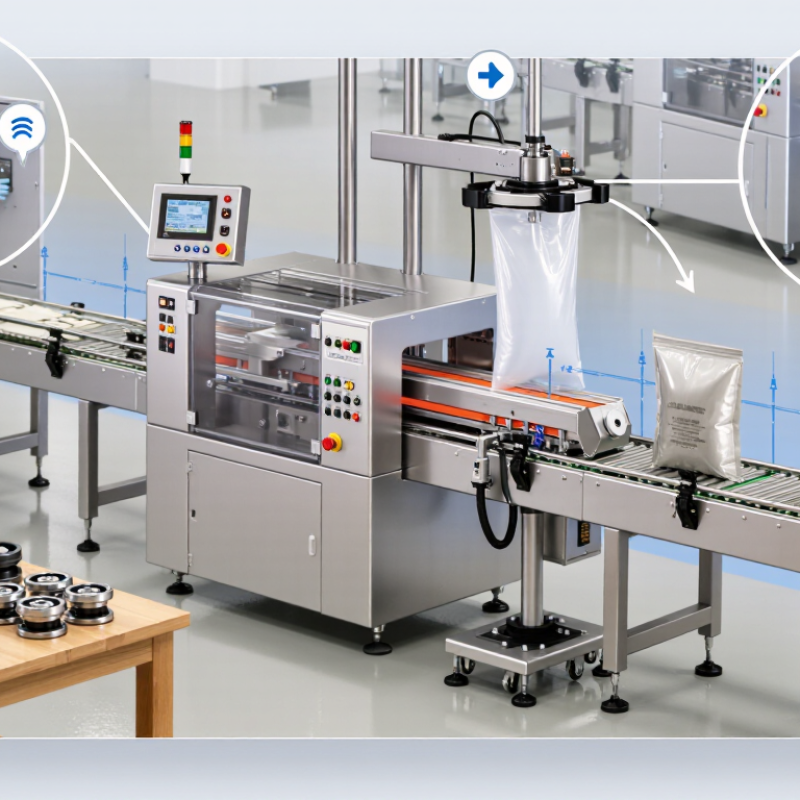
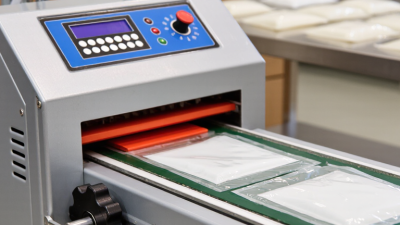
An industrial bag sealing machine closes filled bags with controlled heat, pressure, or both. It creates a continuous seal along the open edge. This helps protect contents from moisture, dust, air, and accidental spills. Some machines use heated bands for fast, repeated sealing. Others apply direct heat through jaws. The correct method depends on the bag material and production speed.

Tip: Check the seal width and temperature range. A reliable machine should provide stable settings and clear controls. Operators should inspect sample seals during each production run. A weak seal may feel loose or show uneven wrinkles. A burnt edge signals excessive heat or dwell time. Small adjustments matter.

Tip: Match the machine to your daily workload. A compact unit may suit moderate production, while a continuous model supports longer runs. Consider conveyor height, bag thickness, and available floor space. An uncomfortable working position can slow operators and cause mistakes. This detail is easy to overlook.

Tip: Test the complete packaging process, not just an empty bag. Product dust can affect the sealing surface. Changing film materials may also require new settings. In practice, a machine can perform well during a short test and struggle after hours of operation. That is why maintenance access, temperature stability, and spare sealing parts deserve attention. No machine removes every risk. Careful testing still matters.

How to Match the Sealer to Your Bag Materials

Choosing an industrial bag sealing machine starts with the bag material, not the machine’s advertised speed. Polyethylene and polypropylene films often need controlled heat and steady pressure. Thicker films require more dwell time. Thin films may wrinkle or burn under the same setting.

Laminated foil bags behave differently. Their outer layers can tolerate heat, while inner sealant layers determine bonding. Kraft paper bags may need a wider sealing path or an added inner coating. Woven sacks can demand stronger pressure and a rugged sealing jaw. Check film thickness, coating type, moisture exposure, and filling temperature before selecting equipment. Small details matter.

In production, contamination is a frequent problem. Powder trapped inside the seal can create channels and weak spots. A machine with adjustable temperature, pressure, and sealing time gives operators better control. Test real bags, not only clean samples. Include the product inside, because dust and oil change the result.

I once trusted a clean laboratory seal too quickly. It looked excellent, but filled bags opened during handling. That mistake showed why drop tests and peel checks belong in the selection process. Record the settings that work, then repeat them across different shifts. Even experienced operators can overlook a slight change in film thickness. A small test run is cheaper than a rejected pallet.

7 Tips for Choosing an Industrial Bag Sealing Machine? - How to Match the Sealer to Your Bag Materials
Tip Bag Material or Requirement Recommended Sealing Technology Typical Operating Range Key Machine Features to Check Why the Match Matters
1 PE, LDPE, and HDPE films Constant-heat or impulse heat sealing Approximately 120–180 °C
Adjust according to film thickness and structure
Adjustable temperature, dwell time, and pressure; PTFE-coated sealing surfaces Polyethylene films are thermoplastic and require controlled heat and pressure to create a continuous seal without melting through the bag.
2 PP and BOPP bags Constant-heat sealing; hot-air or band sealing for high-throughput lines Typically higher than PE
Use the film supplier’s recommended sealing window
Stable temperature control, adjustable conveyor speed, and cooling after sealing Polypropylene generally needs a higher sealing temperature than polyethylene, while coated BOPP structures depend on the inner sealant layer.
3 Laminated foil, PET/PE, and metallized films Constant-heat band or continuous hot-bar sealing Commonly about 140–220 °C
Confirm the sealant-layer specification
Independent control of temperature, pressure, and speed; suitable sealing-jaw width Only the inner sealant layer should melt. Excessive heat can wrinkle the laminate, damage the barrier layer, or weaken the seal.
4 Paper bags with PE or other heat-sealable coatings Impulse or constant-heat sealing, depending on coating thickness Use a moderate starting temperature
Increase gradually during testing
Wide, even sealing jaws; pressure adjustment; support for uneven paper surfaces Uncoated paper does not form a heat seal by itself. The machine must activate the internal polymer coating without scorching the paper.
5 Woven PP or PE sacks with liner films Hot-bar, band, or impulse sealing for the liner; sewing may be required for the outer sack Set according to liner material and thickness High clamping force, adjustable jaw alignment, dust-resistant construction, and sufficient seal width Woven fabric can create an uneven surface. A clean, properly positioned liner is essential for leak resistance and seal consistency.
6 Thin films, thick gusseted bags, or bags with contamination in the seal area Choose a machine with adjustable dwell time and pressure; consider ultrasonic sealing for selected compatible applications Determined by thickness, fill material, and contamination level Variable sealing time, pressure control, product-clearance space, and easy-to-clean contact parts Thickness changes and product particles can prevent uniform heat transfer. Longer dwell time or better pressure control may be needed.
7 High-volume production or frequent bag-size changes Continuous band sealer or automated heat-sealing system Select speed based on required output and seal quality
Typical industrial systems use adjustable conveyor speeds
Quick temperature and speed adjustment, date coding option, guarding, emergency stop, and accessible maintenance parts The correct machine must provide repeatable seals at the required throughput while accommodating the bag’s material, width, weight, and filling level.

How to Choose the Right Sealing Method and Speed

7 Tips for Choosing an Industrial Bag Sealing Machine

How to Choose the Right Sealing Method and Speed

Choosing a sealing method starts with the bag material, not the machine’s advertised speed. Polyethylene films often suit heat sealing, while coated paper may require different temperature control. For thick or moisture-sensitive bags, test both constant-heat and impulse sealing. The wrong method can create weak edges or melted film. It happens quickly.

Match the machine to your production rhythm. A continuous band sealer supports steady lines, while an impulse sealer fits changing bag sizes and smaller batches. Check sealing speed, jaw width, conveyor height, and operator loading time. Fast sealing is useful only when the seal remains consistent. A rushed setting may leave wrinkles, trapped air, or incomplete bonding.

Set temperature, pressure, dwell time, and cooling together. Begin with the material supplier’s guidance, then run practical trials using full bags. Inspect seals after cooling, not immediately. Pull tests, visual checks, and repeated cycles reveal weaknesses. I have seen operators increase speed before adjusting pressure, which created avoidable failures. That approach saves seconds but can waste a full batch. Leave room for maintenance, cleaning, and seasonal temperature changes. A machine that runs slightly slower may provide more dependable production.

Which Machine Features Improve Safety and Efficiency

7 Tips for Choosing an Industrial Bag Sealing Machine

Which Machine Features Improve Safety and Efficiency

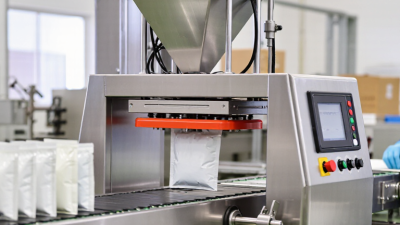
A reliable bag sealing machine should protect operators during repetitive work. Look for fixed guards around heated and moving parts. A clearly marked emergency stop must remain reachable from the working position. Automatic bag detection can prevent sealing cycles when material is misplaced. This reduces wasted bags and limits unnecessary heat exposure. Some machines include interlocks that stop operation when a guard opens. That small detail matters on busy production floors.

Temperature control is central to consistent seals. Digital sensors can maintain heat when production speed changes. Adjustable conveyor speed helps match different bag materials and filling conditions. Excessive speed may create weak seals, even when the surface looks acceptable. Built-in alarms should identify low temperature, sensor faults, or stalled movement. Simple messages are better than confusing codes. Clean access points also improve efficiency, especially where powder or dust collects around the sealing area.

Ergonomic controls deserve equal attention. A comfortable working height can reduce shoulder and wrist strain over long shifts. Tool-free access makes routine cleaning less likely to be delayed. In practice, no feature removes every risk. Operators still need training, inspection, and sensible maintenance intervals. I have seen efficient machines underperform because settings were copied without checking the actual bag film. That is an easy mistake. Record seal temperature, pressure, and speed during trials, then review the results with production staff.

7 Tips for Choosing an Industrial Bag Sealing Machine

Which machine features improve safety and efficiency?

The chart rates seven commonly recommended machine features on a practical 1–5 scale. Higher safety scores reflect features such as guarding, emergency stops, interlocks, and compliance with principles covered by ISO 12100, ISO 13850, ISO 14119, and IEC 60204-1. Higher efficiency scores reflect consistent temperature control, adjustable speed, automatic material detection, low maintenance, and diagnostic functions.

How to Evaluate Maintenance, Cost, and Supplier Support

Tip 1: Check sealing-jaw access before comparing prices. Operators should remove guards, inspect heating elements, and clear film residue safely. A machine that needs twenty minutes for cleaning may lose more production than its low purchase price saves.

Tip 2: Ask for a maintenance schedule with actual intervals. The U.S. Department of Energy reports that preventive maintenance can reduce costs by 12–18% compared with reactive maintenance. That figure is useful, but your film type and daily workload still matter.

Tip 3: Calculate total cost over five years. Include electricity, replacement belts, sealing wires, sensors, training, and technician travel.

Tip 4: Request a written spare-parts list and local availability. A missing thermocouple can stop a packaging line for hours.

Tip 5: Test temperature stability during a live demonstration. Check ten consecutive seals, not just one attractive sample. I have seen equipment pass a showroom test and struggle with dusty film. That weakness is easy to miss.

Tip 6: Measure supplier support before signing. Ask about response times, remote diagnostics, manuals, and technician coverage. The 2023 State of Maintenance report by Plant Engineering found that unplanned downtime remains a major operational concern across manufacturing. Exact losses vary widely, so suppliers should explain their assumptions.

Tip 7: Demand operator training and documented acceptance criteria. A cheaper machine may require more skill, more adjustments, and more supervision. I would also score support quality separately from machine performance. That judgment is not perfectly objective, but ignoring it is worse.