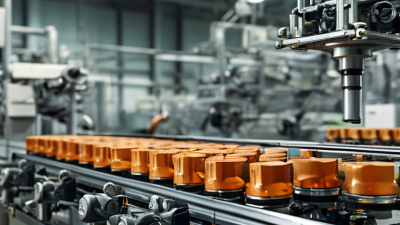
What is a Bag and Seal Machine and How Does It Work?
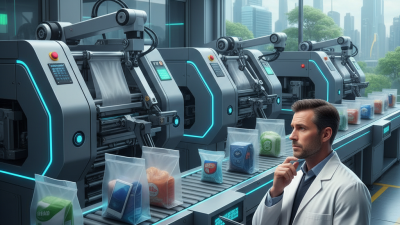
In the dynamic world of packaging, a bag and seal machine plays a vital role. These machines are essential for various industries, including food, pharmaceuticals, and consumer goods. According to a recent industry report by Smithers Pira, the global packaging machinery market is expected to reach $45 billion by 2026. This growth emphasizes the increasing reliance on automation in packaging processes.
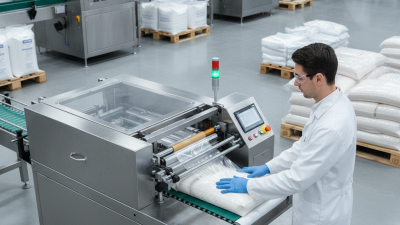
A bag and seal machine efficiently automates the sealing of bags filled with products, ensuring freshness and safety. This type of equipment not only boosts productivity but also minimizes human errors. However, manufacturers must remain vigilant regarding maintenance and operation. Reports indicate that improper use can lead to significant downtime, impacting supply chains and profitability.
The design and features of bag and seal machines can vary widely. They must adapt to different bag materials and sizes. As the industry evolves, users must continuously reassess their equipment choices. Innovations are constant, yet it is crucial to ensure that new technologies align with operational needs. Balancing cost, efficiency, and reliability remains a key challenge in leveraging these machines effectively.
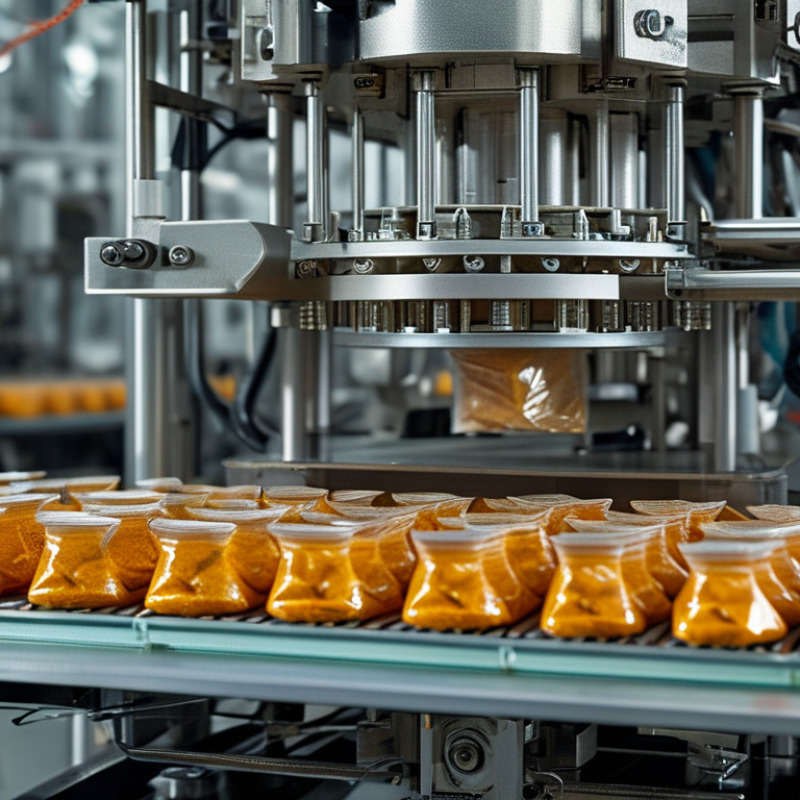
What is a Bag and Seal Machine? An Overview of Its Functionality
A bag and seal machine is a vital tool in packaging operations. Its main function is to efficiently seal products within bags, preserving freshness and extending shelf life. According to a report by Grand View Research, the global packaging machinery market is expected to reach $40 billion by 2026, driven by demand for automatic and semi-automatic sealing machines.
These machines utilize heat sealing technology, which involves applying heat to the edges of bags, creating a secure seal. The process is precise and quick, accommodating various bag sizes and materials. Data from MarketsandMarkets suggests that the heat sealing segment will grow significantly, reflecting efficiency increases in packaging operations across industries. However, not all machines perform equally. Some may struggle with thicker materials, leading to weak seals.
Innovation in bag and seal machinery is progressing, yet challenges remain. Issues like maintenance and calibration can impact performance. Machines require regular checks to prevent downtime. This highlights the importance of investing in training for operators and maintenance personnel. Without appropriate care, even the most advanced machines can fail to meet production expectations. The evolution of technology presents opportunities, yet ongoing vigilance is necessary to ensure reliability and efficiency in packaging processes.
Key Components of a Bag and Seal Machine: Understanding the Design
Bag and seal machines play a critical role in packaging. These machines are used to seal products efficiently. Understanding their components is essential for optimizing their functions.
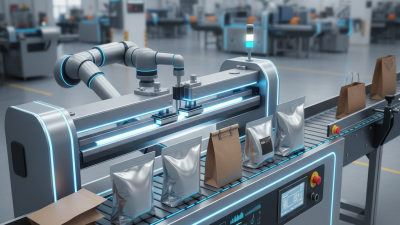
Key components include the sealing jaws, which create the airtight seal. The heating element is crucial. It heats the jaws to the right temperature, ensuring proper sealing. Many machines use adjustable temperature controls. This versatility allows for various materials, from plastic to aluminum. According to the 2023 Packaging Machinery report, sealing issues are responsible for 15% of product spoilage. Properly functioning components can significantly reduce this waste.
Another important part is the conveyor system. It moves products through the sealing process. A reliable conveyor minimizes delays and maximizes efficiency. Maintenance is crucial. A machine’s lifespan can be affected by wear on these components. Regular checks are advised to catch issues early. Inconsistent sealing can result in product contamination. Ensuring each part operates efficiently can lead to improved production rates and reduced costs. Analyzing each component helps in identifying areas for improvement. This can lead to better overall performance and reliability of the machine.
How Bag and Seal Machines Enhance Packaging Efficiency and Safety
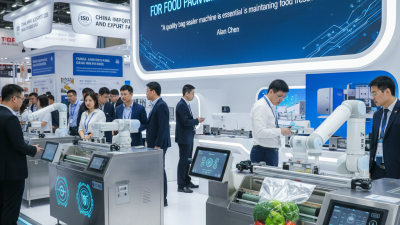
Bag and seal machines play a crucial role in modern packaging. They enhance efficiency by streamlining the packaging process. According to a report by Smithers Pira, the global market for packaging machines is projected to reach $45 billion by 2025. This indicates a rising demand for efficient packaging solutions.
These machines not only speed up production but also improve safety. They ensure secure seals that minimize contamination. In food packaging, proper sealing can reduce spoilage rates by up to 30%. This is especially important in industries where product safety is a priority. However, there are still challenges. Improper settings can lead to inadequate seals, compromising product integrity.
Training operators on correct machine usage is vital. Even with advanced technology, human error remains a concern. Regular maintenance of machines is necessary to avoid unexpected failures. According to the Packaging Machinery Manufacturers Institute, 20% of packaging line downtime is due to equipment issues. Thus, investing in staff training and preventive measures could mitigate such risks.
The Role of Bag and Seal Machines in the Food Packaging Industry
Bag and seal machines play a vital role in the food packaging industry. These machines streamline the packaging process, ensuring products remain fresh. They typically seal bags using heat, creating a tight barrier against air and moisture. This helps preserve the quality and shelf life of various food items. Many machines are designed for efficiency, capable of sealing numerous bags per minute. Such speed is essential for large-scale operations.
In addition to efficiency, these machines improve food safety. By sealing packages tightly, they prevent contamination. This is crucial in an industry where foodborne illnesses can occur. Bag and seal machines also reduce the need for preservatives. With better sealing, suppliers can use fewer additives, appealing to health-conscious consumers.
However, the technology is not without challenges. Maintenance is necessary to ensure the machines operate smoothly. Frequent use can lead to wear and tear. Observing best practices is vital to avoid production delays. Furthermore, employees must be properly trained. An inexperienced operator may mismanage settings, resulting in faulty seals. Continuous improvements in training and technology can address these issues.
Emerging Trends in Bag and Seal Technology: Automation and Innovations
The world of bag and seal technology is evolving rapidly.
Automation is at the forefront, providing manufacturers with enhanced efficiency.
Automated bagging machines can now process hundreds of bags in short periods.
This saves time and reduces labor costs.
Many companies are adopting this technology to stay competitive.
Innovations in materials are also noteworthy.
New sealants are more effective and environmentally friendly.
These materials often require less energy to produce and offer better protection for products.
However, the integration of advanced technology can be costly and may require training for staff.
Companies have to weigh the benefits against the initial investment.
It’s essential to consider the implications of these advancements.
While automation improves speed, it may lead to job displacement.
Finding a balance between technological progress and workforce stability is crucial.
As we move forward, innovation should not come at the expense of human resources.
This reflection on our priorities will ensure sustainable development in the industry.