Why Is Mil-Spec Packaging Important?
Mil-spec packaging is essential in the supply chain because it ensures that military items are protected and can withstand harsh climatic conditions during transportation and storage, thereby guaranteeing the integrity of the items. This is crucial for maintaining contractual agreements within the military, aerospace, and defense sectors.
Non-compliant packaging risks corrosion, contamination, and even lost or refused shipments, causing delays or additional costs. Failure to adhere to these specifications repeatedly can result in the loss of these contracts. That’s why finding a reliable packaging partner is crucial when dealing with military specification packaging.
MIL-STD-2073
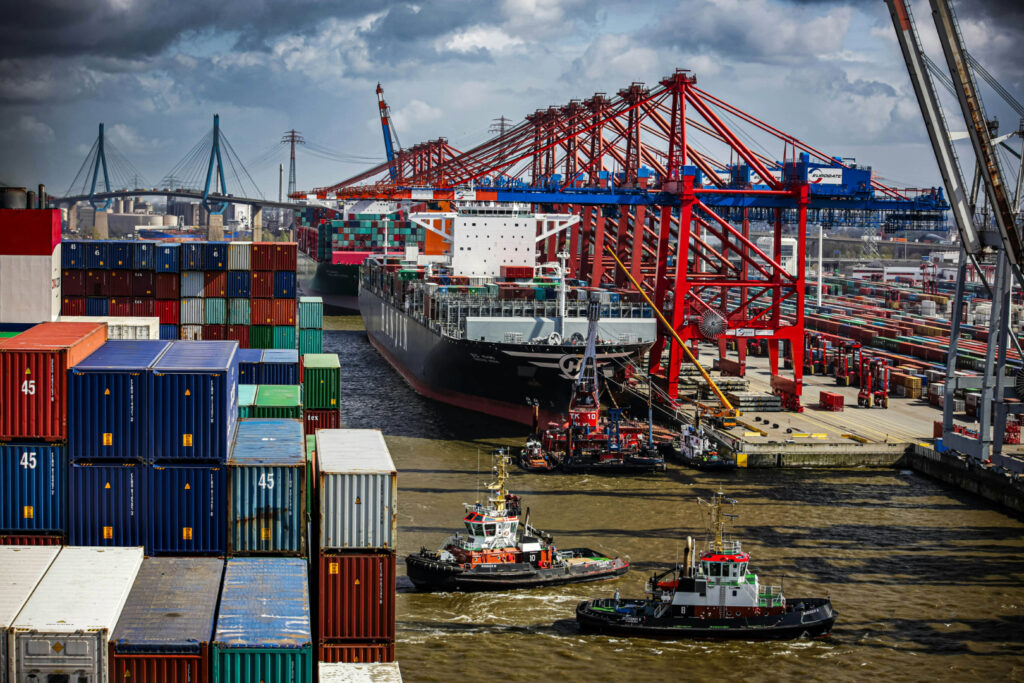
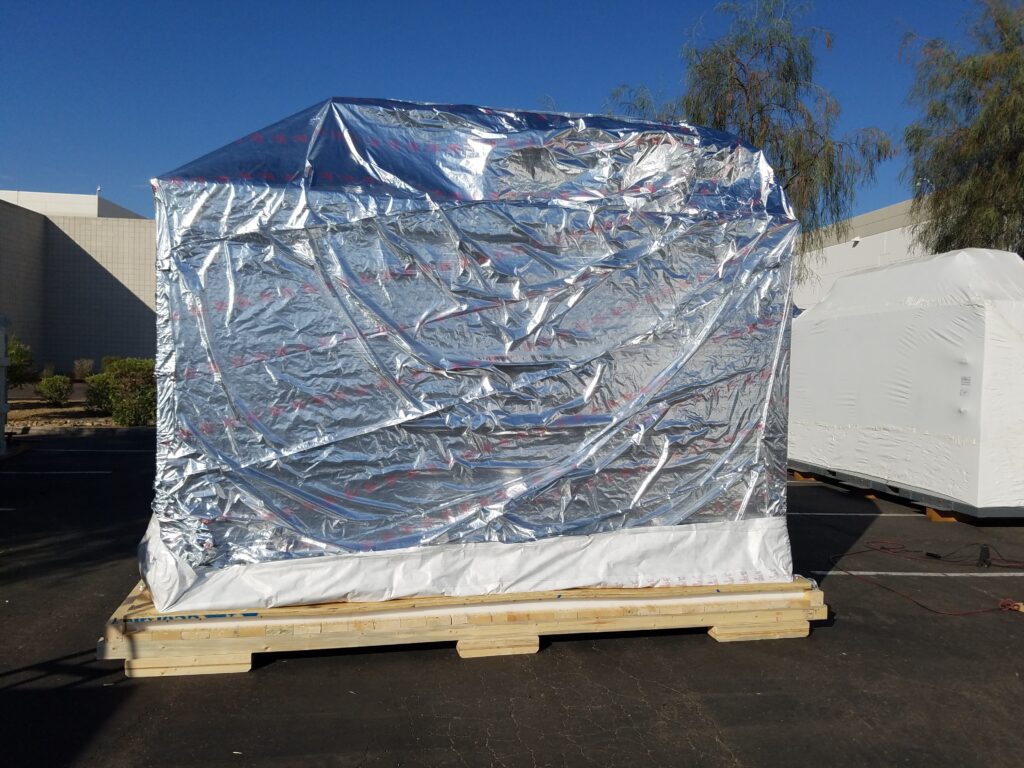
Originally developed to address the inadequate protection of supplies during World War II, MIL-STD-2073 is the standard packaging method for preventing the deterioration of military items due to moisture vapor and corrosion during storage and transportation, especially in the harshest climates.
Understanding Mil-Spec Materials
Mil-PRF-131
Barrier material that is water vapor proof, greaseproof, flexible and heat sealable
Mil-PRF-81750
Barrier material that is flexible, electrostatic protective and heat sealable
Understanding Mil-Spec Packaging Methods
The following methods specifically address water vapor protection with varying levels of moisture control and desiccant use.
Method 40 - Water vapor proof protection with preservative as required
Water vapor proof protection with preservative as required. Items protected by Method 40 shall be heat sealed within a water vapor proof enclosure. Projections, sharp edges or other physical characteristics of the item, which may damage the water vapor proof enclosure, shall be cushioned. The item shall also be cushioned as required to mitigate shock and vibration, thereby preventing physical and functional damage to the item
Method 41 - Water vapor proof bag, heat sealed
Water vapor proof bag, heat sealed. The item, preserved, wrapped and cushioned as required in 5.2.3.6, shall be enclosed in a close fitting heat-sealed bag conforming to one of the following:
- MIL-DTL-117, Type I, Class E, Style 1, 2 or 3
- MIL-DTL-117, Type I, Class F, Style 1, use intended for ESD sensitive items only
- MIL-DTL-117, Type II, Class E, Style 1
- MIL-DTL-117, Type IV, Class E, Style 1
Method 42 - Container, watervaporproof bag, heat sealed, container
Container, watervaporproof bag, heat sealed, container. The item, preserved, wrapped and cushioned as required in 5.2.3.6, shall be enclosed in a close fitting inner container (box), selected from table C-I, and enclosed in a heat-sealed bag conforming to MIL-DTL-117, Type I, Class E, Style 1; or Type II, Class E, Style 1. Bags in accordance with MIL-DTL-6060 shall be used when the construction limitations of MIL-DTL-117 are exceeded. The sealed bag shall then be enclosed within an appropriate outer container (box), selected from table C-II. When wood, wood cleated plywood, or wood cleated panelboard is specified as the outer container of this method, see 5.2.3(l). (Note: When the outer container serves as the shipping container, selected from table C-II, it shall be marked as a shipping container in accordance with MIL-STD-129; the bag shall be marked as a unit pack in accordance with MIL-STD-129.)
Method 43 - Floating watervaporproof bag, heat sealed
Floating watervaporproof bag, heat sealed. The item, preserved, wrapped and cushioned as required in 5.2.3.6 and anchored or shock mounted as necessary, shall be enclosed in a heat-sealed bag conforming to MIL-DTL-6060. (Note: When the outer container serves as the shipping container, selected from table C-II, it shall be marked as a shipping container in accordance with MIL-STD-129; the bag shall be marked as a unit pack in accordance with MIL-STD-129.)
Method 50 - Water vapor proof protection with desiccant.
Water vapor proof protection with desiccant. Items protected in accordance with Method 50 shall be heat sealed in a watervaporproof enclosure with activated desiccant. Unit packs of all of these methods shall also include a humidity indicator. Projections, sharp edges, or other physical characteristics of the item that may damage the watervaporproof bag or container shall be cushioned as required in accordance with 5.2.3. The item shall also be cushioned as required to mitigate shock and vibration, thereby preventing physical and functional damage to the item. Preservative coating requirements shall be determined in accordance with 5.2.2.1. For all Methods of Preservation where the bag is the unit container and the outer/shipping container is a wood box, see 5.2.3(l). When bags are used, the bag size shall be of sufficient surface area to permit two subsequent resealing after item inspection. Unless prohibited in the contract or order, carrying cases or housings, which function as a sealed container, may also be used as the watervaporproof enclosure within which the desiccant and humidity indicator will be placed. Precautions shall be prominently noted on the item cases or housings that the desiccant and indicator cards shall be removed prior to placing the item into use. Requirements for desiccant and humidity indicators are as follows:
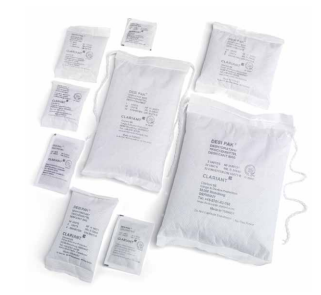
A. Desiccant (activated) – The bagged, activated desiccant shall conform to MIL-D- 3464. Type I shall be used unless Type II or III is specified or required because of special characteristics of the item. Desiccant shall be in standard unit sized bags. The desiccant shall be strategically located in the pack so as not to be load bearing. Optimally, it is to be placed in voids of the item or pack interior. Desiccant shall be adequately secured to prevent its shifting or movement or placed in specially designed desiccant baskets affixed to the container interior. Under no circumstances shall desiccant be permitted to come in direct contact with critical surfaces of the enclosed item. The desiccant shall not be unnecessarily exposed to the ambient environment when removed from the sealed desiccant storage container. Removal of the desiccant and its insertion into the unit pack shall be the last action prior to final sealing of the bag or container.
B. Quantity of desiccant – The minimum quantity of desiccant to be used per unit pack shall be computed in accordance with either Formula I or II as applicable. The various values of “X” take into consideration the quality and types of dunnage. The inner container (when applicable) shall be considered in the dunnage calculations.
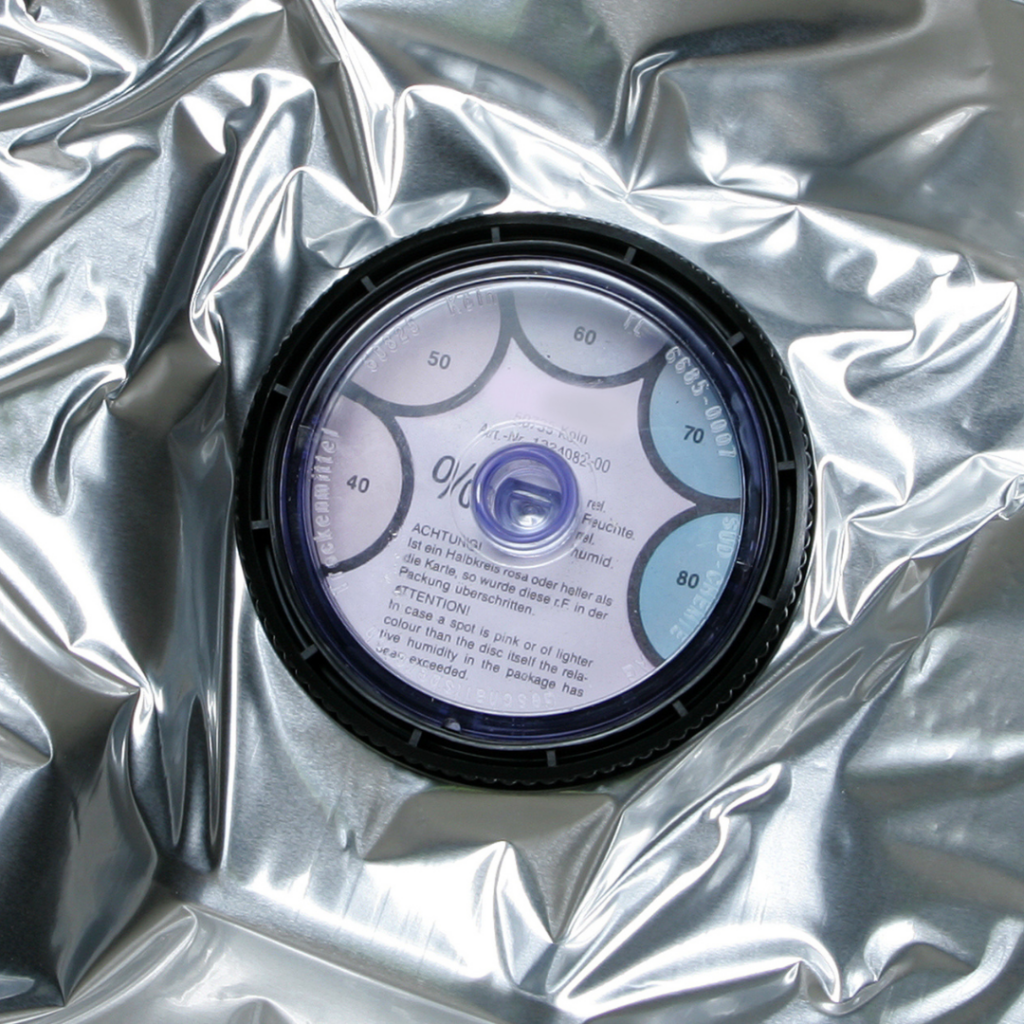
C. Humidity indicators. Humidity indicators shall conform to MS20003. The humidity indicator shall be firmly secured directly behind the inspection window or immediately within the closure seal of the container. When specified, externally mounted humidity indicating elements or devices shall be installed in the barrier or rigid container used to effect the unit pack. Externally mounted color change humidity indicating devices shall conform to SAE AS26860.
Method 51 - Water vapor proof bag with desiccant, heat sealed.
Water vapor proof bag with desiccant, heat sealed. The item, preserved, wrapped, cushioned and desiccated with a humidity indicator, shall be enclosed within a heat sealed bag conforming to one of the following:
- MIL-DTL-117, Type I, Class E, Style 1, 2 or 3
- MIL-DTL-117, Type II, Class E, Style 1 or Type IV, Class E, Style 1
Method 52 - Container, water vapor proof bag with desiccant, heat sealed, container.
Container, water vapor proof bag with desiccant, heat sealed, container. The item, preserved, wrapped, cushioned and desiccated with humidity indicator as required in accordance with 5.2.3.7, shall be enclosed in a close fitting inner container (box) selected from table C-I. The item and container shall then be enclosed in a heat-sealed bag conforming to MIL-DTL-117, Type I, Class E, Style 1; or Type II, Class E, Style 1; or Type IV, Class E, Style 1. Bags in accordance with MIL-DTL-6060 shall be used when the construction limitations of MIL-DTL-117 are exceeded. The sealed bag shall then be enclosed within an appropriate outer container (box) selected from table C-II. When wood, wood cleated plywood or wood cleated panelboard boxes are specified as the outer container, see 5.2.3(l).
Method 53 - Floating water vapor proof bag with desiccant, heat sealed.
Floating water vapor proof bag with desiccant, heat sealed. The item, preserved, wrapped, cushioned, and desiccated with a humidity indicator as required in 5.2.3.7 and anchored or shock mounted as necessary, shall be enclosed in a sealed bag conforming to MIL-DTL-6060. When specified in the contract or order, a window of material conforming to MIL-PRF-22191, Type I shall be provided in the bag in accordance with MIL-DTL- 6060 procedures for packs 15 cubic feet or larger. When specified, externally mounted plug type humidity indicators conforming to SAE-AS26860 shall be used. When an exterior container is to be placed over the floating bag, a removable inspection port shall be provided in the exterior container body, so situated as to coincide with the location of the inspection window of the bag or the mounted humidity plug.
Mil-DTL-117
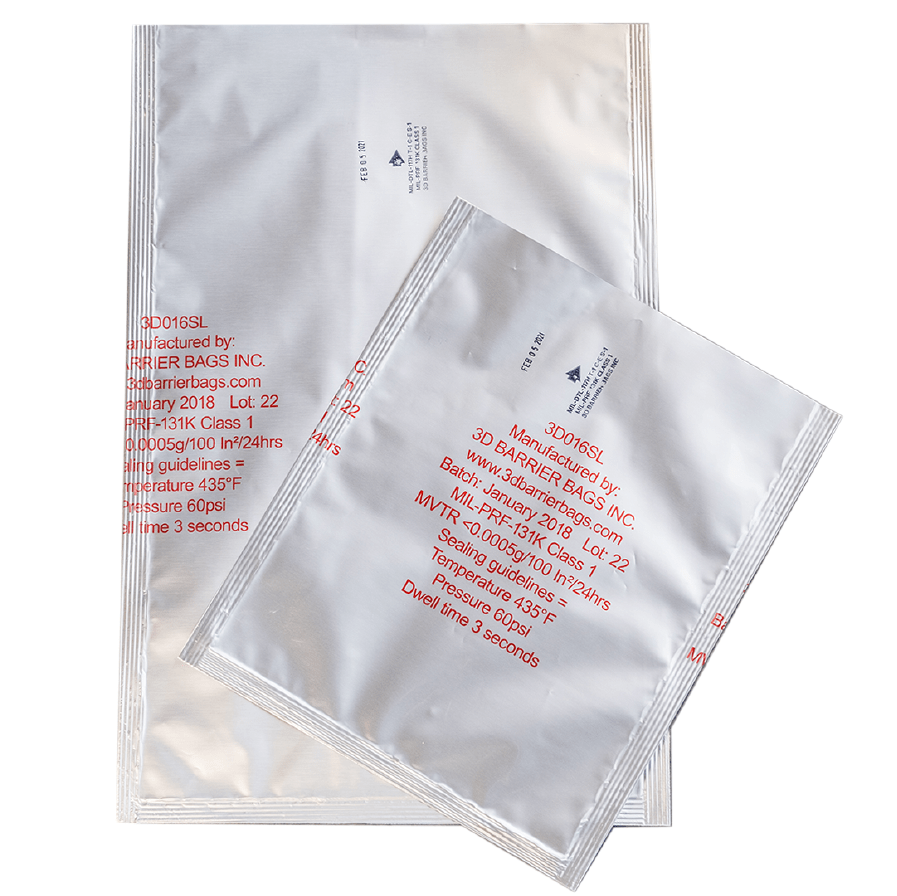
MIL-DTL-117 refers to the detailed specifications for heat-sealable, flat barrier bags designed to meet the rigorous demands of military packaging. The bags must be water-vapor-proof, greaseproof, flexible and heat-sealable.
These specifications further the military’s effort to standardize packaging materials and procedures across all armed service branches, ensuring ultimate protection. Used in specialized military preservation methods, there are no commercial equivalents that meet the requirements necessary to protect materials exposed to the operational naval aviation environment.
The Anatomy Of A Mil-Spec Request: Mil-DLT-117
Mil-DTL-117 Type ___, Class ___, Style ___
(All bolded lines are Specs that we can manufacture.)
We manufacture the following Mil-DTL-117 specs: Type I (Heavy Duty), Class E & Class F, Style 1 (Opaque)
Types (Durability)
- ✓ Type I – Heavy Duty
- ✓ Type II – Medium Duty
- ✓ Type III – Light Duty
- ✓ Type IV – Extra Heavy Duty
Classes (Barrier Protection)
- ✓ Class A – Waterproof + Electrostatic + Static Dissipative
- ✓ Class B – Waterproof
- ✓ Class C – Waterproof + Greaseproof
- ✓ Class E – Water Vapor Proof + Greaseproof
- ✓ Class F – Water Vapor Proof + Electromagnetic Shielding
- ✓ Class H – Waterproof + Electrostatic + Electrostatic Shielding
Styles (Bag Visibility)
- ✓ Style 1 – Opaque
- ✓ Style 2 – Transparent
- ✓ Style 3 – One side opaque, one side transparent
All bolded options are within our manufacturing capabilities.
Why Custom Mil-Spec Barrier Foil Packaging Matters
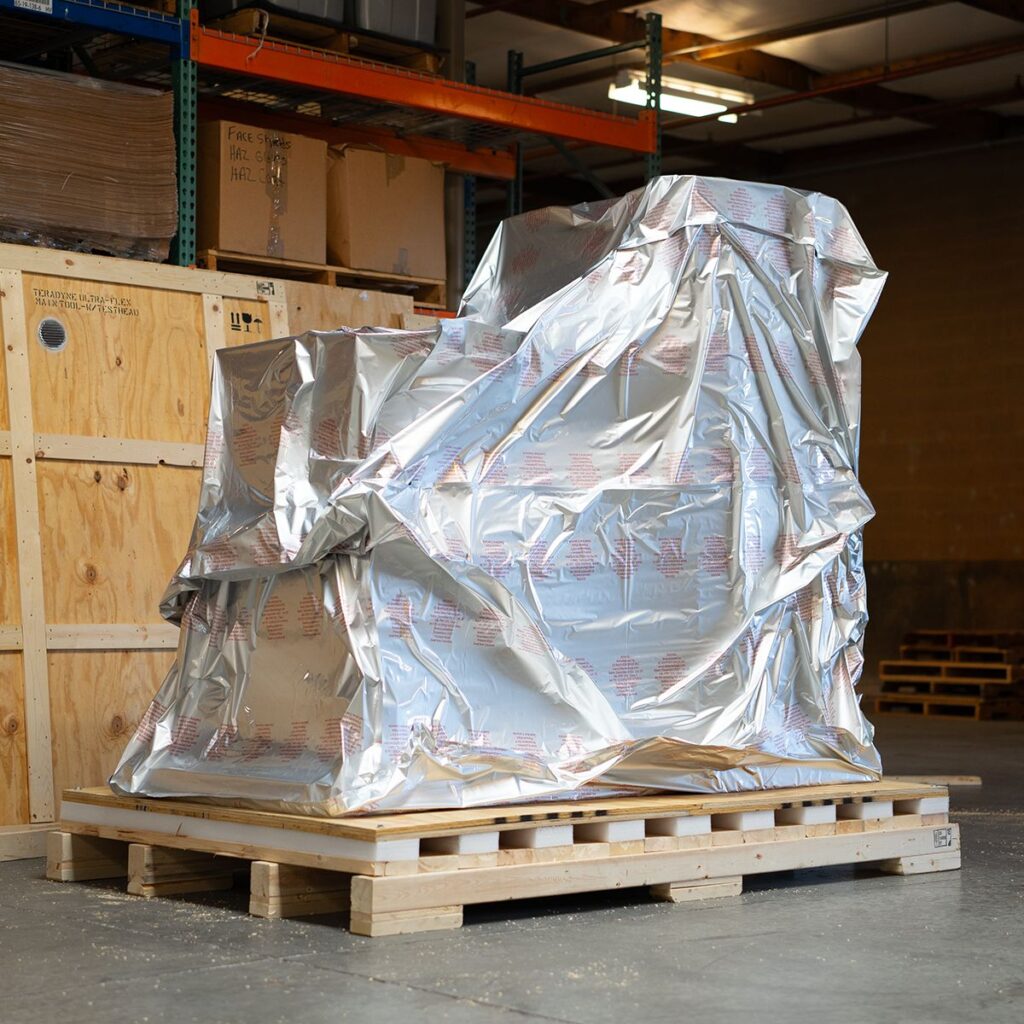
Unique products call for custom packaging. Your packaging partner should be well-versed in mil-spec packaging and be able to help guide you when needed. We specialize in Military and Defense packaging for Mil-STD-2073 Methods 40, 41, 42, 43, 50, 51, 52, and 53.
The role we play when you are ensuring compliance:
Our Own QPD Listed Materials
Screw-In Humidity Indicators & Cards
Desiccant Calculations
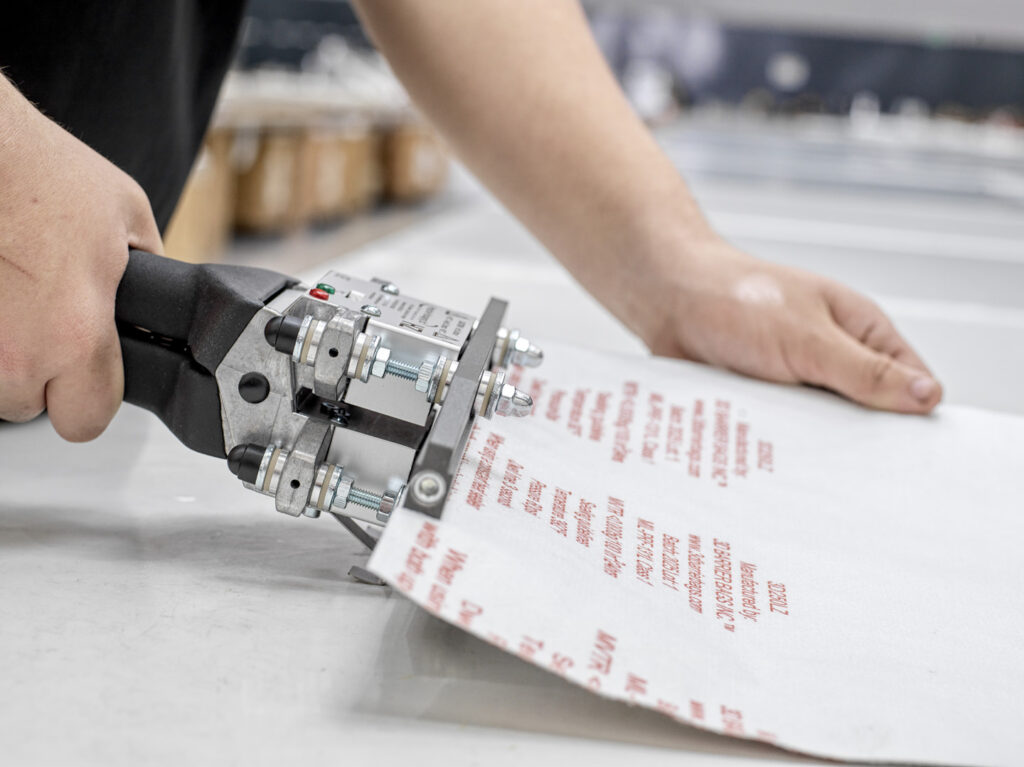
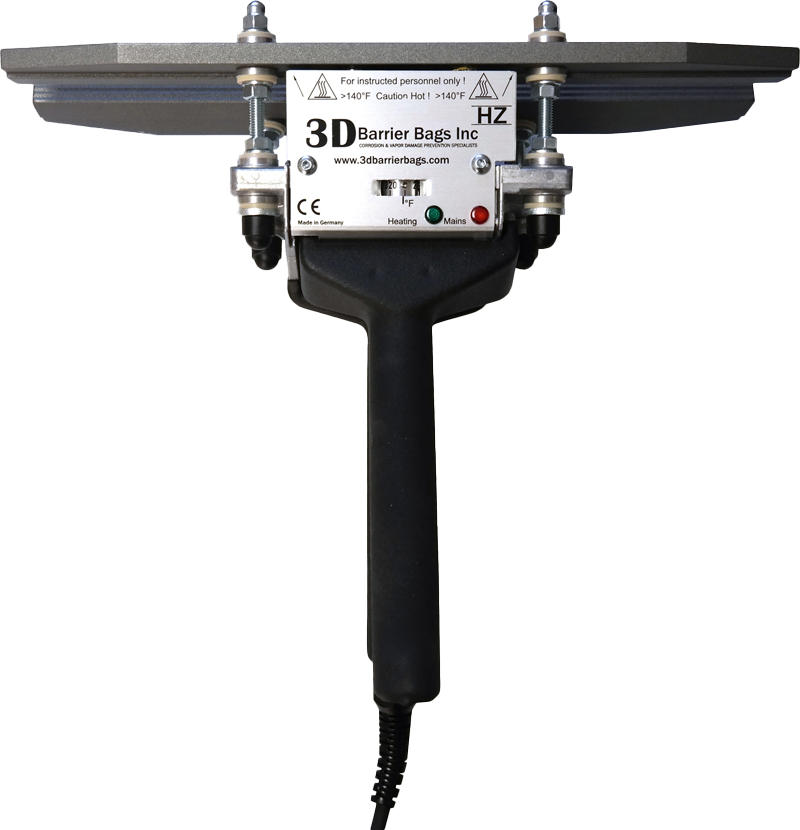
Hand Held Heat Sealers
Dedicated To Your Success
At 3D Barrier Bags, Inc., we don’t just supply quality Mil-Spec packaging; we provide peace of mind in the protection of your assets. Our team is always on hand to help design and answer any questions regarding your packaging spec.
Still have questions about your spec? Our expert team is available to address any questions you may have regarding the specifications you have received.