How to Choose the Right Package Sealer Machine for Your Business Needs?
In the competitive landscape of packaging, choosing the right package sealer machine is crucial for businesses aiming to optimize efficiency and product quality. According to industry reports, the global packaging machinery market is projected to reach USD 45 billion by 2025, with sealing machines playing a vital role in this growth. The right machine ensures secure packaging, which is essential for maintaining product integrity and reducing spoilage.
Selecting an appropriate package sealer machine requires understanding your specific needs and production goals. For instance, businesses handling perishable goods might prioritize machines with advanced sealing technology to enhance shelf life. Conversely, companies focused on cost-effectiveness may opt for simpler models. Factors such as speed, power consumption, and materials used in sealing must also be considered carefully.
It's important to recognize that not every package sealer machine will fit your operation perfectly. Some businesses may experience challenges in achieving optimal sealing due to equipment limitations or material compatibility issues. Reflecting on these aspects can lead to informed choices that align with both operational capabilities and budget constraints. Choosing wisely can significantly impact your bottom line and customer satisfaction.
Understanding Different Types of Package Sealer Machines Available
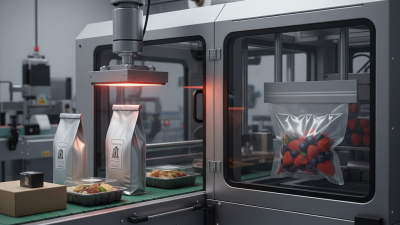
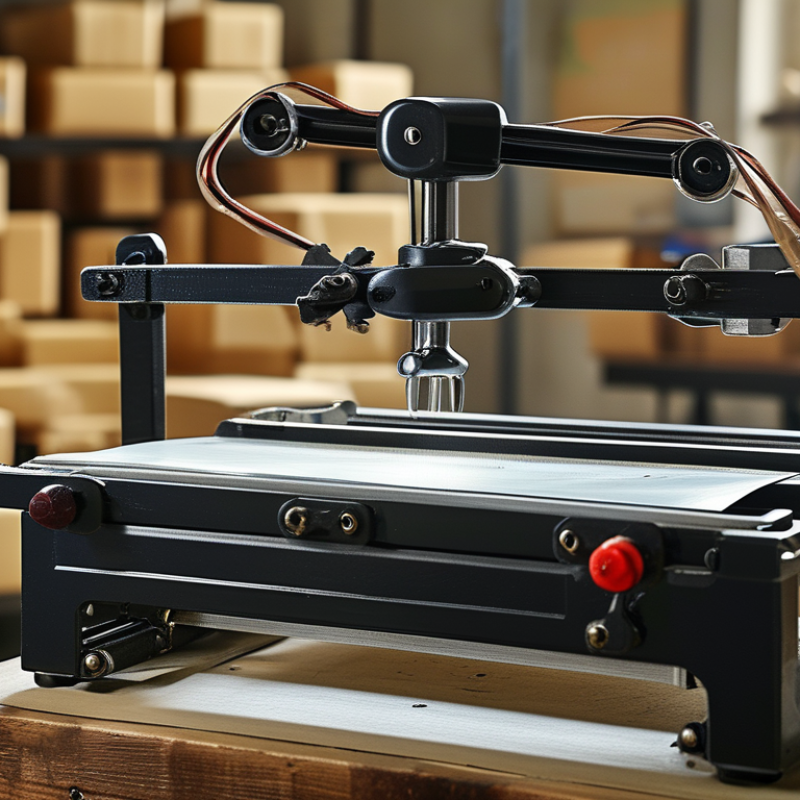
When selecting a package sealer machine, it’s crucial to understand the different types available. Each machine serves unique purposes. For example, heat sealers are popular in food packaging. They create airtight seals that preserve freshness. These machines are generally easy to operate and efficient for high-volume needs.
Another common type is vacuum sealers. They remove air from the package, enhancing shelf life. Vacuum machines are especially beneficial for products like meats and cheeses. However, they can be more expensive and require maintenance. It's important to evaluate if the cost aligns with your business goals.
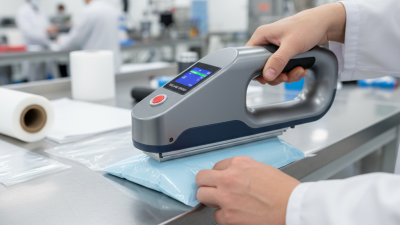
For lower-volume operations, handheld sealers offer flexibility. They are portable and suitable for smaller batches. Yet, productivity might suffer compared to larger machines. Reflecting on your production requirements will help identify the right option for you. Consider trialing different machines if possible. Each type has advantages and downsides that could impact your workflow significantly.
Evaluating the Key Features for Your Business Requirements
Choosing the right package sealer machine requires careful evaluation of its key features. The size and scale of your operation play a significant role. Consider the production volume you expect. Machines designed for low-volume tasks differ greatly from those tailored for heavy-duty usage.
A smaller business might prioritize compact machines that fit into tight spaces, while larger operations may require high-speed, automated options.
Durability is another critical factor. A machine that easily breaks down can disrupt your workflow. Look for materials that can withstand continuous use. Maintenance requirements can vary as well. Some machines need more frequent servicing, which can affect your productivity. Noise level may also matter if the workspace is shared with other functions.
Finally, consider the sealing method, such as heat sealing or vacuum sealing. Each method offers different benefits and challenges. Heat sealing is quick and efficient but may not suit fragile items. Vacuum sealing preserves freshness but can be slower. Understanding these nuances helps you choose a sealer aligned with your business goals. Reflecting on these factors will lead you to a machine that meets your unique needs.
Assessing Production Volume and Speed Needs
When choosing a package sealer machine, assessing production volume and speed is crucial. Begin by evaluating your current and projected production needs. Understanding how many packages you will process daily helps in selecting the right equipment. A high-volume operation may require a faster, automatic sealer. Conversely, a smaller business might benefit from a manual or semi-automatic option.
Consider the speed of the machine as well. If you aim to boost productivity, a faster sealing machine could be worth the investment. However, increasing speed may lead to quality control issues. Find a balance where you can maintain high-quality seals while meeting your production goals. Some tests may reveal that even a modest speed upgrade significantly improves efficiency.
Lastly, think about the learning curve associated with new machinery. A machine that operates too quickly can overwhelm workers. Training is essential, but it can take time and resources. Make sure your team is well-prepared to handle any new equipment. Reflect on how these choices impact not only production but also employee satisfaction and product integrity.
Considering Budget and Cost-Effectiveness of Sealers
When selecting a package sealer machine, budget and cost-effectiveness are critical. According to industry reports, the average investment for a quality sealing machine ranges from $2,000 to $10,000. Small businesses often struggle to justify high costs. However, understanding the long-term savings is essential. Cheaper sealers may lead to higher failure rates and more product waste over time. The right choice can save significant costs.
Cost-effective machines can perform efficiently without constant repairs. Regular maintenance is often overlooked, yet it can prolong the life of your sealer. Data from a recent survey shows that 30% of businesses face unexpected breakdowns. This can result in production delays and financial losses. Choosing a durable machine might require a higher initial investment, but it pays off in the long run.
It’s vital to analyze operational needs. For instance, businesses with high production volumes might need to invest more upfront. In contrast, startups may prioritize budget over features. A balance between initial costs and operational efficiency can be challenging but necessary. Investing in reliable technology often leads to better profitability overall.
Choosing the Right Package Sealer Machine: Cost-Effectiveness Analysis
Identifying Additional Functions for Enhanced Packaging Efficiency
When selecting a package sealer machine, additional functions can greatly impact efficiency. Features like adjustable sealing temperatures and speeds are crucial. In a recent industry report, 85% of businesses noted reduced waste with precise temperature controls. This leads to better package integrity and extends product shelf life, a key advantage.
Automation capabilities deserve attention too. Machines equipped with semi-automatic or fully automatic functions can minimize labor costs and increase output. According to a 2022 market analysis, automation can enhance productivity by up to 30%. However, integrating these machines requires careful consideration of existing operations.
The importance of maintenance functions cannot be overlooked. Regular self-checks and notifications for service needs bolster reliability. A significant 70% of packaging professionals highlighted downtime issues linked to neglected maintenance. The right sealer not only enhances efficiency but also ensures long-term dependability. Businesses must weigh these advanced functions’ benefits against potential complexities.
How to Choose the Right Package Sealer Machine for Your Business Needs? - Identifying Additional Functions for Enhanced Packaging Efficiency
| Machine Type |
Material Compatibility |
Sealing Speed (Packages/Hour) |
Power Requirement (W) |
Additional Functions |
Cost (USD) |
| Heat Sealer |
Plastic, Mylar |
300 |
500 |
Temperature Control |
$800 |
| Vacuum Sealer |
Plastic, Vacuum Bags |
500 |
600 |
Gas Flush |
$1200 |
| Continuous Band Sealer |
Plastic, Foil |
700 |
800 |
Automatic Feed |
$1500 |
| Pneumatic Sealer |
Plastic, Metal |
450 |
700 |
Foot Pedal Control |
$950 |
| Impulse Sealer |
Plastic, Polyethylene |
200 |
400 |
Timer Control |
$500 |