What is a Product Sealer Machine and How Does It Work?
In the fast-paced world of packaging, the "product sealer machine" stands out as an essential tool. Renowned packaging expert Dr. Sarah Thompson states, "A reliable sealer is the backbone of any packaging line." This statement emphasizes the importance of quality sealers, which ensure product integrity and freshness.
A product sealer machine employs various sealing techniques, including heat sealing and vacuum sealing. These machines are designed to preserve the quality of products while maintaining an efficient workflow. For instance, in the food industry, a proper seal can significantly extend shelf life. However, not all machines deliver consistent results. Some may struggle with varying package sizes or materials, leading to wasted resources.
Choosing the right product sealer machine requires careful consideration. It’s essential to evaluate the specific needs of your operation. Not every machine is perfect for all products. A machine that works well for one type of packaging may falter with another. Understanding these nuances can help avoid costly mistakes and ensure efficiency. Finding the ideal balance between performance and reliability is key to successful packaging.
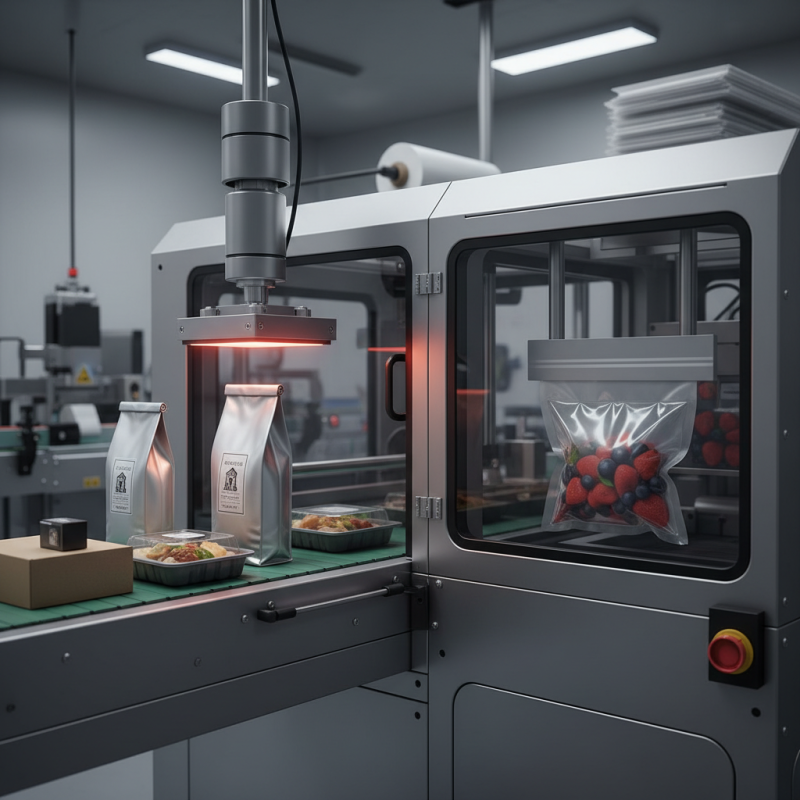
Understanding Product Sealer Machines: Definition and Overview
Product sealer machines play a crucial role in the packaging industry. They are designed to seal products securely, enhancing their shelf life and safety. A comprehensive report from Smithers indicates that the global packaging machinery market is expected to reach $45 billion by 2025. This reflects a strong demand for efficient packaging solutions.
Understanding how these machines work can significantly impact operational efficiency. Product sealers utilize heat, pressure, or adhesive methods to create airtight seals, preventing contamination and spoilage. A study by Packaging Strategies shows that 55% of consumers are more likely to purchase products with reliable packaging. This highlights the importance of quality sealing in consumer trust.
Despite advances, some challenges persist. Not all products can be sealed using conventional methods. For instance, items with irregular shapes may require specialized equipment. Additionally, ensuring that sealing methods align with sustainability goals can be complex. Many manufacturers are exploring eco-friendly materials, but the transition is slow. Balancing efficiency and environmental responsibility remains a topic for continuous improvement.
What is a Product Sealer Machine and How Does It Work?
| Dimension |
Details |
| Definition |
A product sealer machine is a device used to securely seal various types of products in packaging. |
| Types |
Heat sealers, vacuum sealers, and induction sealers. |
| Applications |
Used in food packaging, pharmaceuticals, electronics, and consumer goods. |
| Working Principle |
Sealers utilize heat, pressure, or vacuum to create airtight seals on products. |
| Benefits |
Enhances shelf life, prevents contamination, and improves product presentation. |
| Key Features |
Adjustable temperature, seal time control, and user-friendly controls. |
| Maintenance |
Regular cleaning and checking of heating elements to ensure efficiency. |
| Cost |
Prices vary based on type and features, ranging from affordable to industrial-grade machines. |
Types of Product Sealer Machines and Their Applications
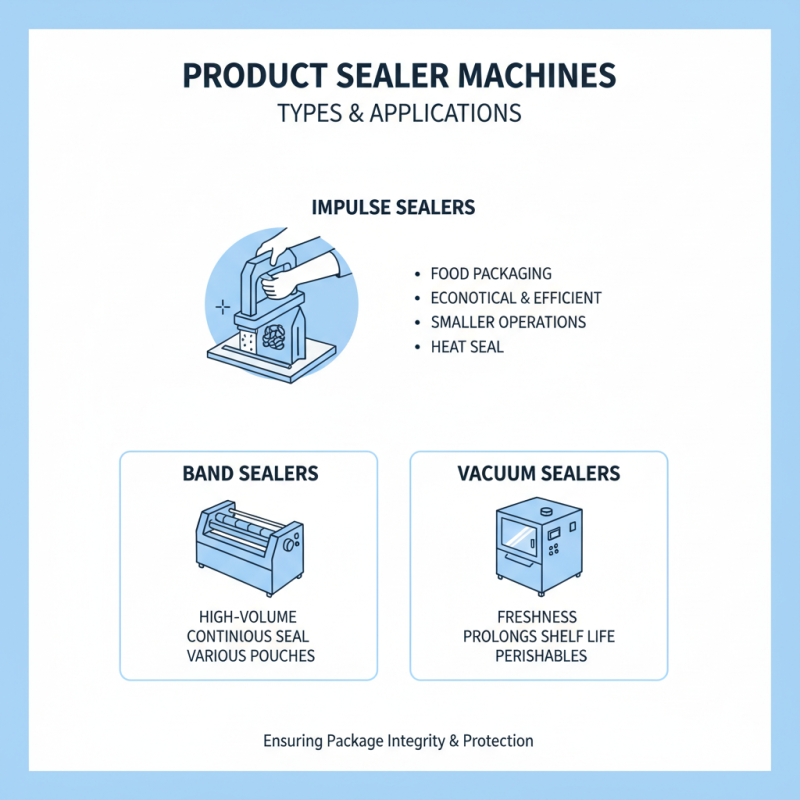
Product sealer machines are critical for various industries, ensuring packages are tightly sealed and protected. Different types of sealing machines exist, each serving unique applications. For instance, impulse sealers are commonly used in food packaging. They create a heat seal with minimal energy, which is economical and efficient, especially for smaller operations.
Another type is vacuum sealers, ideal for preserving perishable items. Research from Packaging Strategies indicates that vacuum packaging can extend shelf life by 3 to 5 times. This technology is popular in the meat and seafood industries. In contrast, continuous band sealers are used for high-volume packaging lines. They offer speed and consistency, making them a go-to for producers dealing with bulk orders. These machines perform well but may require regular maintenance to remain effective.
Consideration must be given to the specifics of each application. Each machine's capability can significantly impact production efficiency. For many businesses, the investment in a higher-quality sealing machine pays off over time. However, improper use can lead to seal failures, waste, and added costs. Choosing the right type based on product needs is crucial for maintaining reliability and quality.
Key Components and Features of a Product Sealer Machine
A product sealer machine is essential in various industries for enhancing product longevity. Key components include heating elements, sealing jaws, and control systems.
The heating element applies temperature to the packaging material, ensuring that it melts and seals effectively. High-quality equipment often uses infrared technology for uniform heating. According to recent industry reports, the global packaging machinery market is expected to reach $50 billion by 2024, indicating increased demand for effective sealing solutions.
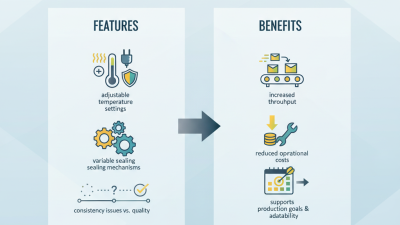
The sealing jaws create pressure that solidifies the seal as the material cools. Advanced machines may include adjustable pressure settings, allowing operators to tailor the sealing process based on material type. Control systems automate the sealing process, maintaining consistency and reducing human error. For example, some machines feature digital displays for easy operation and monitoring. It’s vital to choose machines with robust construction to minimize maintenance needs.
Tip: Regularly check the heating elements for damage. A malfunction can lead to improper sealing, causing product spoilage. Train your staff on machine operations for optimal performance. Consider investing in machines with built-in diagnostics for early issue detection. Remember, every business has its unique sealing needs; reflect on how these features align with your operations for the best results.
How a Product Sealer Machine Operates: Step-by-Step Process
A product sealer machine is essential in various industries, from food packing to pharmaceuticals. It ensures products are securely sealed for freshness and safety. Understanding its operation is key to optimizing production processes.
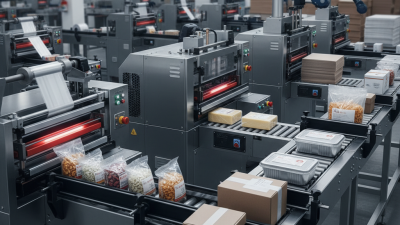
The sealing process starts with loading the product into the machine. Sensors detect the item’s size and adjust accordingly. The conveyor belt then moves the product to the sealing area. As it reaches this zone, heat or pressure is applied. Data shows that proper sealing reduces spoilage by up to 25%. This translates to significant cost savings for manufacturers.
However, not all machines perform flawlessly. Operators may encounter issues like uneven seals or material incompatibility. Reflecting on these challenges is crucial for continuous improvement. Regular maintenance and staff training can mitigate these problems. Analyzing failure points and investing in staff knowledge can enhance the sealing process.
Benefits of Using a Product Sealer Machine in Packaging Solutions
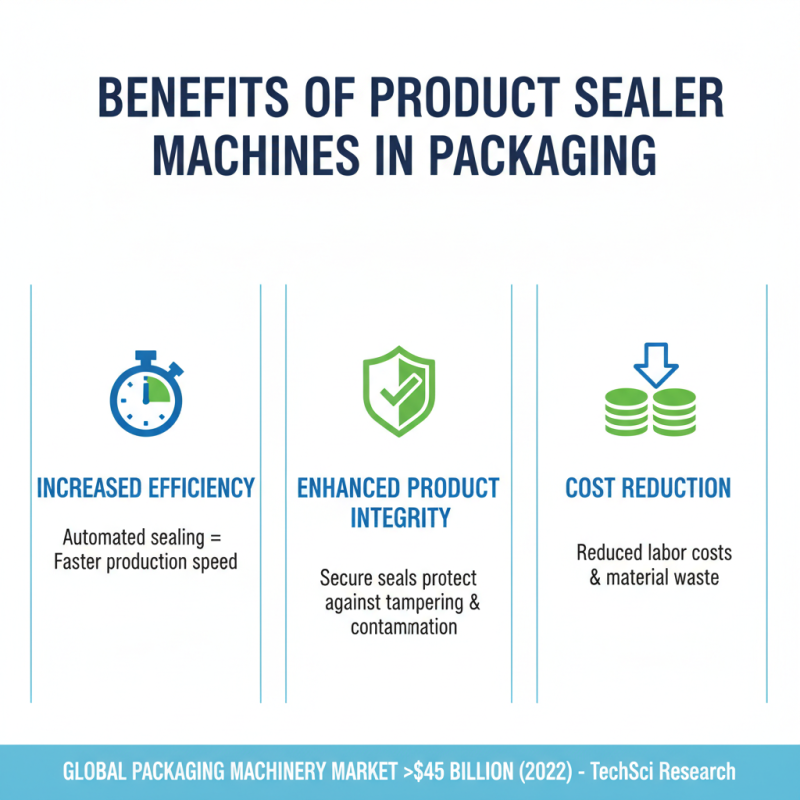
Product sealer machines are essential in the packaging industry. They enhance efficiency and ensure product integrity. According to a report by TechSci Research, the global packaging machinery market was valued at over $45 billion in 2022 and is expected to grow significantly. One major contributor to this growth is the adoption of automated sealing solutions, which improve production speed and reduce labor costs.
Using a product sealer machine offers numerous benefits. It provides a consistent sealing quality, which minimizes the risk of leaks or contamination. Sealed products last longer, contributing to reduced waste. A study by Smithers Pira highlighted that using high-quality seals can improve shelf life by 30%. Furthermore, businesses can save money on materials and labor over time.
However, not every business can afford the latest machines. The initial investment can be daunting. Some may struggle with maintenance and operator training. Assessing the return on investment is crucial. Balancing immediate costs with long-term savings is a challenge that requires careful consideration.