How to Choose the Best Product Sealer Machine for Your Needs?
Choosing the right product sealer machine can be challenging. With so many options available, how do you find the perfect fit for your needs? Industry expert Jack Patterson emphasizes the importance of quality in his field. He states, "A reliable product sealer machine can significantly enhance efficiency in packaging."
When selecting a product sealer machine, consider your specific requirements. Think about the materials you will use and the volume of production. Different machines cater to various types of sealing needs, from vacuum sealing to heat sealing.
Reflect on your operational space and budget. Not all product sealer machines are created equal. Some might excel in speed but lack durability. Others may be robust but costly. A thoughtful choice can save you time and money. Make your selection wisely, as the right machine can transform your packaging process.
Understanding Different Types of Product Sealer Machines
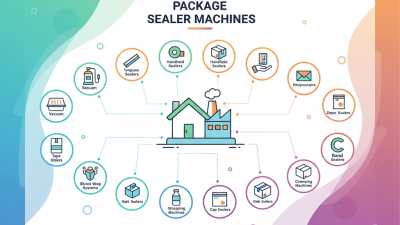
When selecting a product sealer machine, understanding the various types is crucial. There are several options available, each designed for specific needs. Vacuum sealers, for instance, remove air from packaging. This helps preserve food longer. They are great for home use or small businesses. On the other hand, heat sealers provide a strong seal using heat. They are commonly used in industrial settings where durability is key.
Another option is band sealers. These machines continuously seal bags, making them efficient for high-volume production. However, they might not be suitable for all types of products. Consider the size and type of items you will be sealing. Not every machine can handle delicate or bulky items. It is important to analyze the requirements carefully. Will you seal liquids or dry goods? Each machine has its limitations.
It's essential to reflect on your needs before making a decision. How often will you use the machine? If it’s infrequent, a basic model may suffice. However, for daily use, investing in a reliable machine is wise. Take time to evaluate your options. Understanding the differences can lead to smarter choices in the long run.
Assessing Your Product Sealing Needs and Requirements
When selecting a product sealer machine, begin by assessing your specific sealing needs. Consider the size, type, and volume of products you will be sealing. Data from the Packaging Machinery Manufacturers Institute suggests that the demand for efficient sealing technology increased by 10% last year. This trend indicates that businesses value effective sealing solutions to enhance product longevity and reduce waste.
Look at the material of the items you are sealing. For instance, heat sealing works well for plastic pouches, while vacuum sealing is ideal for perishable items. It's essential to think about production speed too. A slower machine might suit a small business, while a high-speed option is better for larger operations.
Evaluate the machine's features. Does it offer adjustable sealing times or temperatures? These features cater to varying products. Remember to consider the long-term costs through energy efficiency and maintenance. Investment in a higher-quality sealer may pay off over time.
Assess your needs carefully. A poorly chosen sealer can lead to product spoilage or damage. Seek recommendations and reviews from trusted sources in the industry. Understanding your unique requirements ensures a more satisfying purchase.
Key Features to Look for in a Product Sealer Machine
When selecting a product sealer machine, it’s crucial to consider specific features that align with your needs. One important aspect is the sealing mechanism. Look for machines that offer both heat sealing and vacuum sealing options. This versatility allows you to package various types of products effectively. Moreover, inspect the machine’s sealing time. Faster sealing can significantly boost your productivity in a busy environment.
Another key feature is the machine’s build quality. A sturdy design ensures longevity, even with frequent use. Lightweight machines may be convenient, but they might not withstand rigorous operations. Take note of the materials used. Stainless steel often indicates durability and easier cleaning. Furthermore, check the sealing width. Some products require a broader seal for optimal freshness.
Consider the machine's ease of use. An intuitive control panel saves you time during setup. Review customer feedback to gauge real-life performance. Sometimes, user experiences reveal issues not mentioned in specifications. Regular maintenance tips can also enhance your machine's lifespan.
Remember to compare warranty options. A solid warranty can provide peace of mind and protect your investment. This way, you ensure the machine will serve you reliably over the long haul.
Product Sealer Machine Features Comparison
Budget Considerations and Cost-Effectiveness
When selecting a product sealer machine, budget plays a critical role. According to market research, over 40% of small businesses list equipment costs as a top concern. While high-priced models offer advanced features, they may not align with your specific needs. Assessing the cost-effectiveness of a machine involves comparing its features with your actual requirements.
Consider starting with an essential machine that meets your basic sealing needs. Entry-level machines can range from $50 to $150. They often perform reliably for basic applications. As your business grows, you can invest in higher-end models. This phased approach can help manage expenses while ensuring adequate functionality.
Evaluate the long-term cost by factoring in potential repairs and replacement parts. Some cheaper machines can incur higher repair costs over time. It's crucial to balance initial investment with future expenses. Aim for a machine that offers durability and efficiency. A good warranty can reflect the manufacturer's confidence in their product.
Regularly reassess your sealing needs. Market demands change, and your equipment should adapt. Keeping track of emerging technologies can inform future purchases. Analyze your overall spending on sealing equipment annually to maintain optimal performance and budget alignment.
Maintenance and Longevity of Sealer Machines
Maintaining your sealer machine is essential for optimal performance.
Regular cleaning helps prevent residue buildup. This ensures consistent sealing quality. Inspect the heating elements frequently. Worn parts can lead to poor seals. Keep an eye on the sealing bars; replace them if they show signs of wear.
Longevity depends on proper usage. Avoid overloading the machine. This can cause overheating and damage. Use the machine within its recommended capacity. Take note of the material types you’re sealing. Some materials may require special care. Neglecting these details can lead to failures and costly repairs.
Consider establishing a maintenance schedule. This could involve checking for loose screws or frayed cables. Document any issues you encounter.
Reflection on past experiences can guide future maintenance decisions. A proactive approach will extend the lifespan of your sealer machine.