| Paper construction | A paper base coated with a heat-sensitive layer; some grades also include a protective topcoat. | The coated surface reacts to controlled heat from a thermal printhead. | Choose a grade suited to the printer and the document’s expected handling and storage conditions. |
| Image formation | Direct thermal printing creates an image on heat-sensitive paper without a separate ink ribbon. | The printer heats selected points on the paper. The coating darkens at those points to form text, numbers, or graphics. | The printer must support direct thermal media, and its printhead settings should match the paper specifications. |
| Printing supplies | Direct thermal systems use coated rolls rather than ink or toner for image creation. | The thermal printhead applies heat directly to the paper as it moves through the printer. | Fewer printing consumables can simplify routine supply changes, though paper rolls still need regular replenishment. |
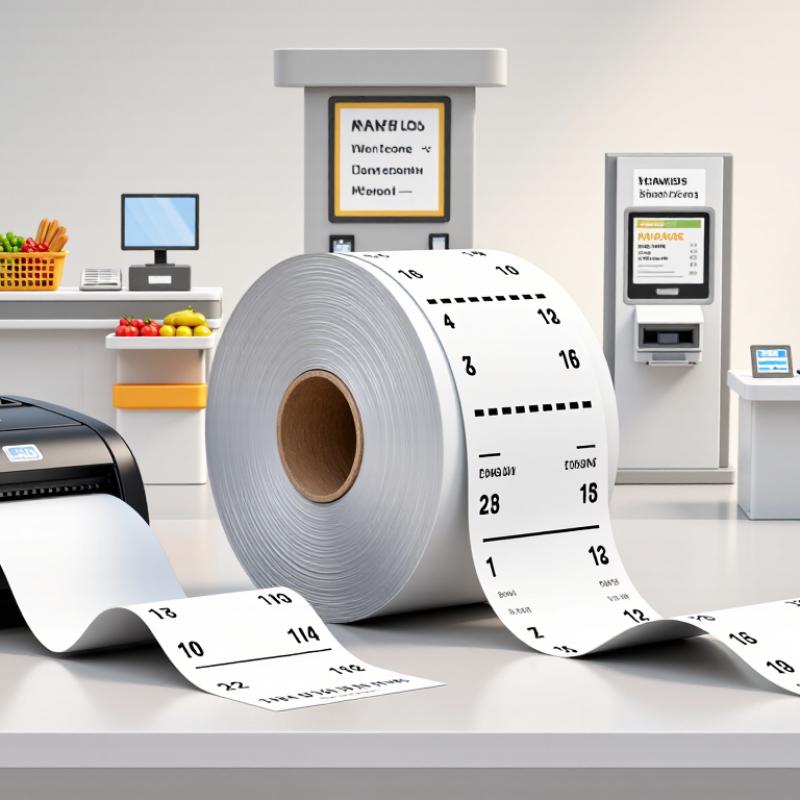
| Roll format | Paper is supplied wound around a core, with roll width, roll diameter, and core size varying by printer and application. | A roll feeds a continuous web of paper through a compatible receipt, label, or ticket printer. | Check the printer’s specified width, maximum roll diameter, and core requirements before ordering. |
| Common applications | Receipts, transaction records, queue tickets, and certain labels are common uses for thermal media. | Thermal printers produce the required text and graphics directly onto the roll as needed. | Confirm that the paper grade and printer are appropriate for the application, especially for labels or records kept for long periods. |
| Print durability | Thermal images can be affected by heat, light, friction, and contact with certain chemicals, depending on the paper formulation and exposure. | The image is formed in the heat-sensitive coating rather than by depositing ink on the surface. | Store printed records according to the paper supplier’s guidance; use a more durable printing method when long-term archival retention is required. |
| Printer maintenance | The thermal printhead is the component that transfers heat to the paper. | Paper dust and residue can interfere with print quality or contribute to wear if allowed to build up. | Follow the printer manufacturer’s cleaning and maintenance instructions and use paper that meets the device specifications. |
| Key selection checks | Compatibility, paper grade, roll dimensions, and the intended life of the printed document. | These factors determine whether the roll feeds correctly and whether the image suits the intended use. | Compare product specifications with the printer manual and the operating environment before purchase. |