3D Barrier Bags, Inc

Why Choose Heat Resistant Waterproof Rubber Tape?

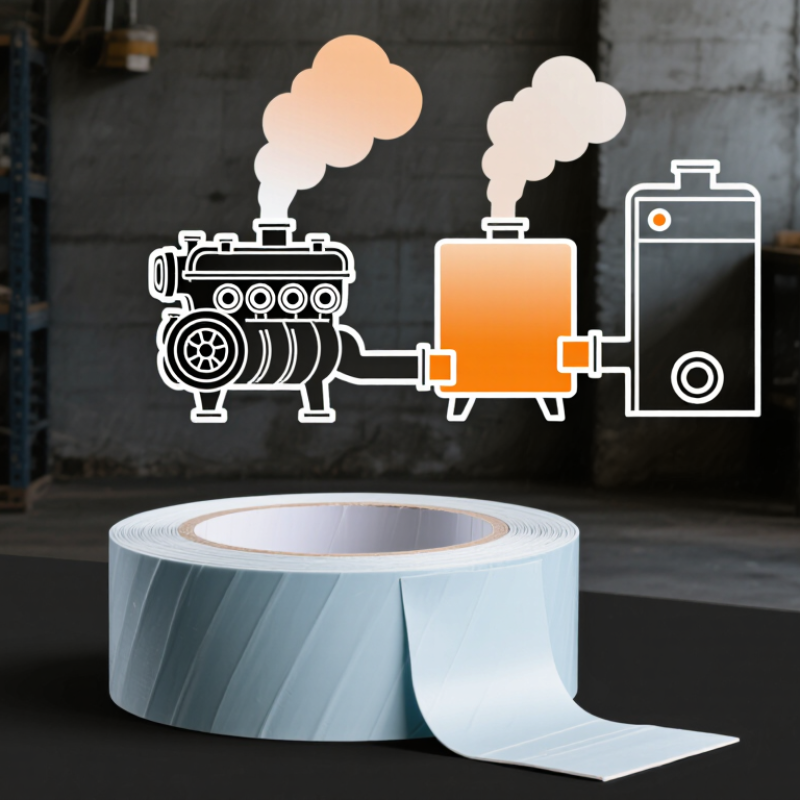
In demanding repair environments, water and heat rarely arrive separately. A leaking pipe may sit beside a hot engine, boiler, or outdoor electrical enclosure. Ordinary adhesive tape can soften, lift, or lose its seal under these conditions. Heat Resisting Waterproof Rubber Tape offers a more dependable option for controlled repairs and protective maintenance.

This tape commonly uses a flexible rubber compound that conforms around uneven surfaces. It can help seal joints, protect cable coverings, and reduce moisture entry. The best results depend on correct preparation. The surface should be clean, dry, and free from oil, dust, and loose rust. Stretching the tape during application can improve contact, but excessive tension may create weak points.

Details matter.

Maintenance professionals should check the product’s temperature range, waterproof rating, electrical suitability, and recommended substrates. A tape suitable for a warm water hose may not fit a high-temperature exhaust line. Product instructions and independent test information deserve careful attention. Marketing language alone is not enough.

Field experience also shows that installation conditions influence performance. Cold surfaces, sharp edges, and constant vibration can shorten service life. Applying overlapping layers around a clean pipe joint creates a more consistent barrier. However, this material is not a universal replacement for mechanical clamps, certified electrical repairs, or permanent pipe fittings.

That limitation is important. Heat Resisting Waterproof Rubber Tape can provide fast support, but every application needs a realistic risk assessment. Select it for the actual temperature, moisture level, movement, and pressure involved. A careful choice usually performs better than a hurried repair.

Why Choose Heat Resistant Waterproof Rubber Tape?

What Is Heat Resistant Waterproof Rubber Tape?

Heat resistant waterproof rubber tape is a flexible sealing material designed to protect joints, cables, and exposed surfaces.

It usually contains a rubber or silicone-based layer that stretches around uneven shapes. Some types bond to themselves rather than using a sticky backing. This creates a tight, continuous wrap with fewer exposed edges.

The tape helps resist water, moisture, heat, vibration, and outdoor wear. Its performance depends on the material, thickness, stretching method, and temperature rating.

A practical application starts with a clean, dry surface. Remove dust, oil, and loose corrosion. Then stretch the tape evenly while overlapping each turn by about half its width. Do not pull it too aggressively. Excess tension can weaken the seal over time.

It can suit pipe connections, electrical cable repairs, tool handles, and temporary outdoor protection.

However, “waterproof” does not mean permanently invulnerable. Sharp edges may cut the tape, and continuous heat near its rated limit can shorten its service life.

I once treated strong adhesion as proof of complete protection. That assumption was too broad. The surrounding surface matters just as much.

Check the product’s temperature range and electrical rating before use, especially near energized equipment. A small test section can reveal poor bonding, trapped moisture, or unexpected stretching before the full repair begins.

How Heat Resistant Waterproof Rubber Tape Works

Why Choose Heat Resistant Waterproof Rubber Tape?

How Heat Resistant Waterproof Rubber Tape Works

Heat resistant waterproof rubber tape works by forming a tight, flexible barrier around a surface. Many types use an elastomer layer that stretches around wires, pipes, or outdoor joints. When wrapped under tension, the tape presses against itself and nearby materials. This reduces gaps where water, dust, and moisture could enter. Some tapes fuse into one continuous layer, while others rely on a strong adhesive backing. The exact performance depends on the tape’s material, thickness, and temperature rating.

In practical repairs, the tape becomes useful near warm pipes, electrical insulation, engine compartments, and exposed connections. It remains flexible as surfaces expand and contract. That movement matters because rigid sealants can crack over time. Still, heat resistance is not unlimited. I have seen users trust the tape near extreme heat without checking its rated range. That mistake can soften the adhesive or weaken the seal. A clean, dry surface usually improves adhesion, although dusty surfaces remain a common problem.

Tips: Clean and dry the area first. Stretch the tape evenly while wrapping. Overlap each layer by half its width. Press the final edge firmly. Avoid covering sharp edges without extra protection. Check the temperature rating before installation, and inspect the seal after exposure to heat, rain, or vibration.

Why Choose Heat Resistant Waterproof Rubber Tape?

How Heat Resistant Waterproof Rubber Tape Works

Heat-resistant waterproof rubber tape forms a flexible, moisture-sealing layer while maintaining performance across elevated temperatures. The chart compares typical maximum continuous service temperatures for commonly used elastomer materials. Actual limits vary by formulation, thickness, pressure, and application conditions.

Key Materials and Performance Characteristics

Why Choose Heat Resistant Waterproof Rubber Tape?

Key Materials and Performance Characteristics

Heat resistant waterproof rubber tape is built for demanding repairs, insulation, and sealing work. Its performance depends on material selection, not appearance alone. Silicone rubber tolerates wide temperature changes and remains flexible around uneven surfaces. EPDM rubber offers strong weather resistance and handles moisture, sunlight, and outdoor exposure well. Butyl rubber creates a soft, moisture-blocking seal with useful adhesion on many substrates. Some tapes also use PVC backings for mechanical protection and controlled handling.

A reliable tape should combine heat resistance, waterproofing, stretch, and electrical insulation. High elongation helps the tape wrap tightly around cable joints, pipe fittings, and irregular corners. When stretched correctly, the layers can bond into a compact, water-resistant barrier. A workshop test may reveal more than a product label. Check adhesion after heating, bending, and exposure to water. Small gaps matter. Surface preparation matters even more.

Clean the surface and remove oil, dust, and loose material before application. Pull the tape evenly, then overlap each turn by about half its width. Avoid stretching beyond the manufacturer’s recommended limit. Excessive tension can weaken the seal after cooling. Temperature ratings also need careful reading, because continuous heat differs from short-term exposure. No material performs perfectly in every environment. Chemical contact, sharp edges, and repeated movement can still cause failure. That limitation deserves attention before installation.

Common Applications Across Industrial and Household Settings

Why Choose Heat Resistant Waterproof Rubber Tape?

Common Applications Across Industrial and Household Settings

Heat resistant waterproof rubber tape is useful where moisture, vibration, and temperature changes meet. In factories, technicians wrap cable connections, hose joints, pipe insulation, and exposed fasteners. Its elastic backing can conform to uneven surfaces, including a damp valve body or a cable bent around a sharp cabinet corner. DOE’s Manufacturing Energy Consumption Survey reported that U.S. manufacturing consumed about 22.5 quadrillion British thermal units in 2018. Reliable sealing materials can support maintenance work in energy-intensive environments.

Outdoor systems also benefit. Installers use this tape around irrigation fittings, low-voltage connections, garden lighting, and air-conditioning insulation. In vehicles, it can cover small abrasions on wiring looms and protect connectors from road splash. Household users often apply it to leaking hose connections, tool handles, and temporary pipe protection. It stretches tightly. That tension helps create a close seal.

However, tape is not a universal repair. Check the product’s temperature range, voltage rating, substrate compatibility, and exposure limits before application. ASTM and IEC testing principles can guide selection, but real conditions may differ. Dust, oil, and poor overlap still cause failure. I have seen a neatly wrapped joint loosen because the surface was slightly greasy. Cleaning and firm, even tension matter. For critical electrical, gas, or pressurized systems, certified repair methods remain necessary.

How to Select and Apply the Right Rubber Tape

Choosing heat-resistant waterproof rubber tape starts with the working environment, not the tape color. Check the expected temperature, water exposure, surface material, and electrical requirements. ENERGY STAR guidance reports that poorly sealed duct systems can waste up to 20% of heating and cooling energy. That figure shows why sealing quality matters beyond appearance.

Select tape with published temperature, tensile strength, elongation, and water-resistance data. ASTM D1000 is commonly used to evaluate pressure-sensitive electrical tapes, while UL 510 addresses flame-retardant electrical insulating tape performance. For outdoor equipment, review accelerated-aging results based on ISO 188. Do not trust vague claims such as “all-weather.” A technical datasheet should state service limits clearly.

Clean the surface first. Remove oil, dust, rust, and loose coating, then let it dry completely. Cut enough tape for controlled overlap, and stretch rubber tape evenly while wrapping. Keep tension moderate. Excessive stretching can thin the layer and weaken long-term sealing. Overlap each turn by about half the tape width, especially around bends and cable joints. Press the final layer firmly.

I have seen neat wraps fail because moisture remained underneath. That mistake is easy to repeat. Inspect the finished seal for wrinkles, exposed edges, and trapped air. Recheck it after heating, rain, or vibration. Field conditions are rarely perfect, so installation records and periodic inspection remain useful.