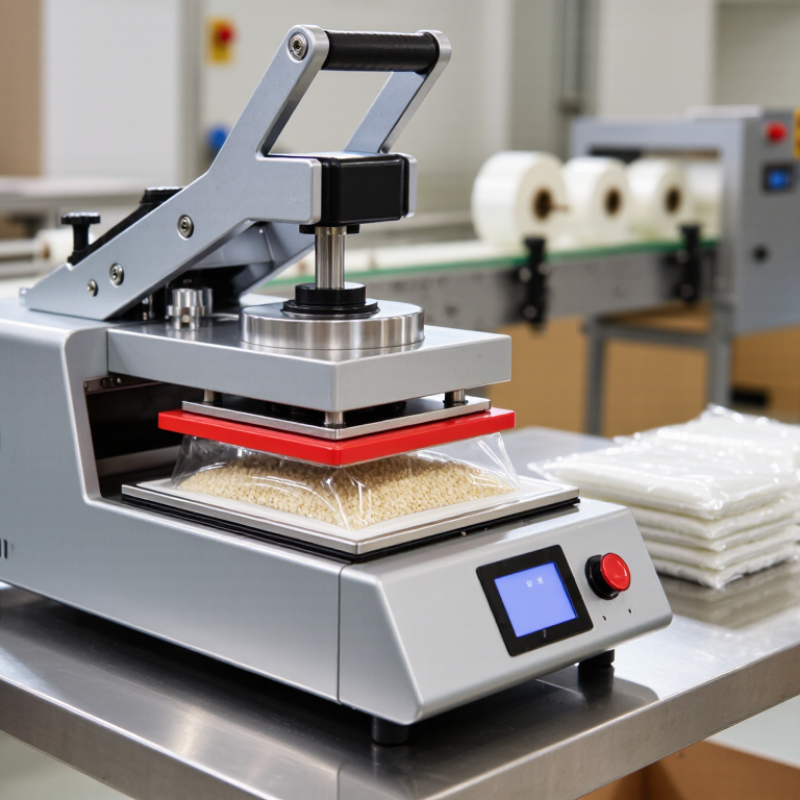
Hot sealing is a practical choice when packaging needs a clean, dependable closure. It joins thermoplastic layers through controlled heat, pressure, and sealing time.
In packing trials, the seal often feels smooth and even under gentle pulling. It looks simple.
The process works well for pouches, liners, films, and many flexible bags. A heated bar softens the inner layers without adding glue or liquid adhesive. This can reduce mess around the package opening.
It also supports efficient production because sealing takes only a few seconds. Operators can adjust temperature and pressure for different film thicknesses. Small adjustments matter. Too much heat may wrinkle the film or weaken its structure. Too little heat can leave hidden channels where moisture or air enters.
A reliable process needs more than a hot machine.
I have seen attractive seals fail after rough handling because the film was dusty near the closure. Regular checks should include visual inspection, peel testing, and sample storage under expected conditions. Seal strength may change after cooling, transport, or repeated handling.
The first trial is rarely perfect. That is worth remembering.
Materials vary, machine settings drift, and operators may apply pressure unevenly. Clear work instructions and recorded test results make the process more consistent. Packaging teams should also confirm that the chosen materials and testing methods meet applicable safety and quality requirements.