Top 5 Tips for Choosing a Crimp Sealing Machine?
Choosing the right crimp sealing machine is crucial for effective packaging. A reliable machine ensures product integrity and enhances efficiency. With various models available, making the right choice can be daunting. Factors like material compatibility, speed, and machine size play significant roles.
Expert advice recommends assessing production needs and available space. A good crimp sealing machine should adapt to your workflow. It’s easy to overlook features that may seem minor but can significantly impact performance. Reliability matters too; a breakdown can halt production and incur losses.
While you may find the perfect machine on paper, real-world testing is essential. Seek feedback from users to better understand long-term performance. Remember, investing time now can save money and resources later. The right crimp sealing machine can truly elevate your packaging process.
Understanding the Different Types of Crimp Sealing Machines
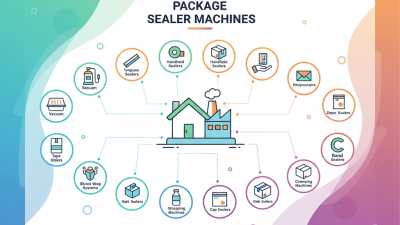
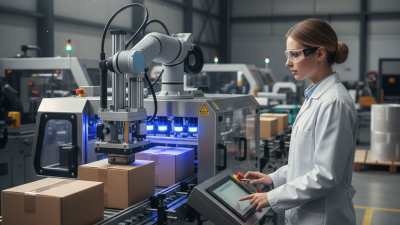
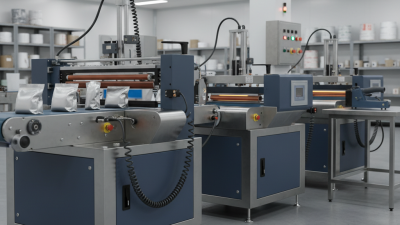
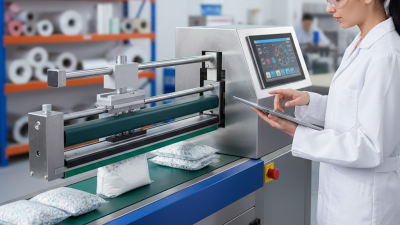
When selecting a crimp sealing machine, understanding the different types can significantly impact your choice. Crimp sealing machines vary widely in design and function, from handheld models to fully automated systems. Each type serves specific requirements, making it essential to assess your production needs. Handheld devices offer mobility and ease of use for small batches. They can be a great starting point for beginners. In contrast, automatic machines enhance efficiency in high-volume environments.
Consider the materials you will be sealing. Some machines work best with specific materials like plastics or metal. Knowing your materials will help you choose the right machine. A poorly matched machine can lead to subpar seals, damaging your product integrity. Pay attention to the machine's temperature and pressure control features. These factors heavily influence the sealing quality. If not properly calibrated, even the best machine may underperform.
It's essential to evaluate the machine’s maintenance needs. A great crimp sealing machine should not require frequent repair or extensive upkeep. Regular checks can ensure it operates at peak performance. Additionally, seek out user reviews or expert opinions. Real-world experiences provide insight that data sheets may overlook. Make sure to consider these elements carefully for a sound investment.
Evaluating the Production Capacity and Speed Requirements
When evaluating the production capacity and speed requirements for a crimp sealing machine, several factors come into play. Industry reports indicate that machinery with a production speed of at least 30 units per minute is optimal for medium-sized operations. This speed can significantly impact throughput. Adjustments based on your actual production flow should be carefully considered.
Understanding your production demands is critical. For instance, if your output needs exceed 200 units per hour, you might require a more robust, high-speed machine. Conversely, for lower outputs, a simpler model might suffice. Always think about scalability when making your choice. It’s not just about current needs but future growth too.
Aim for flexibility in your machine choice to accommodate various seal sizes. Efficiency often decreases with incompatible sizes. A crimper designed for different products can enhance productivity without purchasing multiple machines. Keep in mind that maintenance and repair capabilities are equally important. Industry data suggests that machines with low downtime can improve output by more than 20%. Balancing these factors will foster a more productive operation.
Assessing Compatibility with Packaging Materials and Shapes
When selecting a crimp sealing machine, understanding how it interacts with your packaging materials is crucial. Each material responds differently to heat and pressure. For instance, plastics may shrink or warp if the temperature is too high. Aluminum, on the other hand, can require specific sealing techniques. Proper assessment ensures you avoid costly errors in production.
Consider the shapes of your products as well. A crimp sealing machine might excel with flat items, but struggle with irregular shapes or multiple components. This can lead to inconsistent seals. Experimenting with various setups can yield insights into the effectiveness of different machines. Observing the sealing outcomes can help fine-tune your selection process. Sometimes, trial and error is necessary to find the right match.
Training your staff on material compatibility is essential. Without proper knowledge, they may overlook critical details. Ensure they understand the nuances of sealing different materials. Establishing a feedback loop can improve your operations greatly. Collect data and analyze it to identify recurring issues or successful techniques. This proactive approach fosters a culture of continuous improvement in your sealing processes.
Considering the Machine’s Maintenance and Support Services
When selecting a crimp sealing machine, considering its maintenance and support services is crucial. An effective machine requires consistent upkeep to ensure optimal performance. According to industry reports, about 30% of machine downtimes result from inadequate maintenance. Regular checks and timely repairs can significantly extend a machine's lifespan. Therefore, choosing a manufacturer that provides comprehensive support is essential.
Support services can also include training for operators. Research shows that companies investing in training experience 37% fewer errors during production. Proper training ensures that staff can operate the machine efficiently. Additionally, clear communication channels with support teams matter. A quick response can minimize downtime during unexpected machine failures.
It's worth noting that not all manufacturers offer robust support. Some may provide machines without adequate post-sale assistance. This can lead to frustrations and increased costs for businesses. Understanding your chosen machine's maintenance needs can make all the difference. Consider acquiring a machine from a provider known for its reliable service and support. Investing in such resources reflects a commitment to quality and operational efficiency.
Top 5 Tips for Choosing a Crimp Sealing Machine
| Tip |
Description |
Maintenance Frequency |
Support Services Offered |
| 1. Evaluate Production Needs |
Understand the volume and type of products to be sealed. |
Monthly |
Online Support, Phone Consultation |
| 2. Check Machine Compatibility |
Ensure the machine works with various materials used in sealing. |
Quarterly |
On-Site Training, Troubleshooting |
| 3. Assess Energy Efficiency |
Look for machines that reduce energy consumption. |
Annually |
Energy Audits, Continuous Monitoring |
| 4. Review Maintenance Requirements |
Understand the parts and duration of routine maintenance. |
Bi-Monthly |
Replacement Parts Supply, Service Contracts |
| 5. Explore Vendor Support Services |
Check for the availability of customer service and technical support. |
As Needed |
24/7 Helpdesk, Field Service Technicians |
Analyzing Cost vs. Performance for Long-Term Value
When selecting a crimp sealing machine, analyzing cost versus performance is crucial. A report by the Packaging Machinery Manufacturers Institute (PMMI) highlights that businesses spending around 30% more upfront often see a 50% return in improved efficiency within three years. This statement underlines the importance of investing in quality over merely saving costs.
The long-term value comes from understanding how these machines can reduce waste and enhance productivity. A study from the Packaging Research Institute shows that efficient crimp sealing can cut material costs by up to 15%. This figure should motivate manufacturers to consider performance metrics alongside initial costs. It's vital to assess how various features, like automation and speed, correlate with operational demands.
Unexpected issues may arise with cheaper options. These machines might lead to frequent breakdowns or inconsistent seals, which can negatively impact supply chain efficiency. Finding a balance between upfront costs and long-term reliability is essential. A well-chosen machine requires fewer replacements and repairs. A thorough evaluation of performance can safeguard against costly mistakes down the line.