| Single-Wall Hot Cup | One paperboard wall formed into a tapered cup | 4–16 fl oz (120–475 ml) | Usually polyethylene or water-based dispersion coating | Coffee, tea, cocoa, and other hot beverages | Commonly used for beverages up to about 90°C (194°F), subject to the manufacturer’s specification | Flat, sip-through, and straw-slot lids | Lightweight and economical; the outer wall can become hot without a sleeve |
| Double-Wall Hot Cup | Two paper layers with an air gap or laminated outer layer | 8–16 fl oz (240–475 ml) | Polyethylene or water-based coating on the liquid-contact side | Takeaway coffee, tea, and premium hot drinks | Designed for hot beverages; exact limits depend on the cup construction | Most standard hot-cup lids in the matching rim diameter | Improved hand comfort and thermal insulation; usually eliminates the need for a separate sleeve |
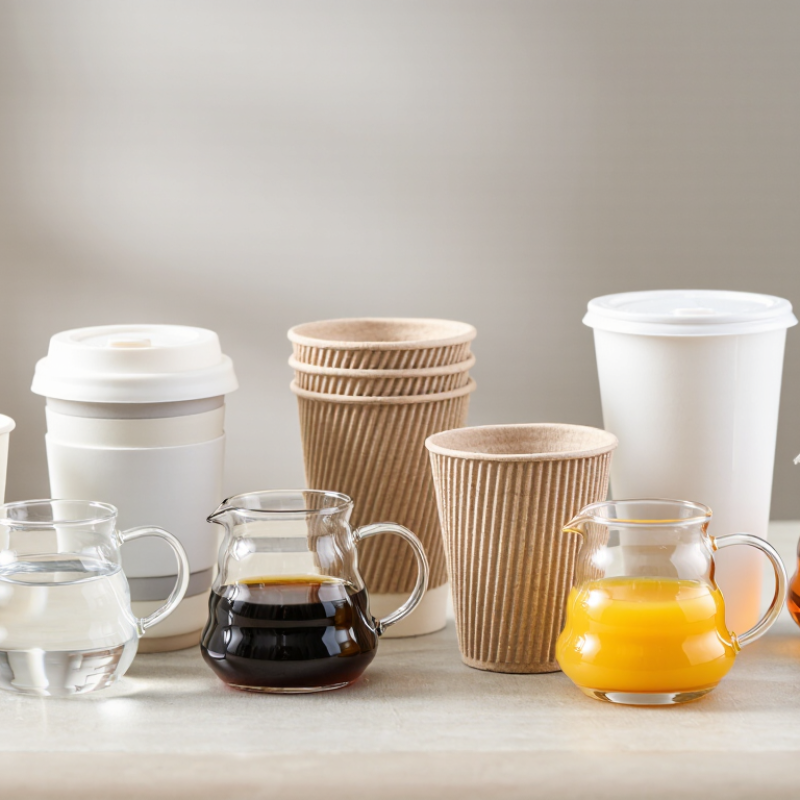
| Ripple-Wall Cup | Outer corrugated or embossed paper layer attached to an inner cup wall | 8–16 fl oz (240–475 ml) | Liquid-resistant coating on the inner cup surface | Hot coffee and beverages requiring extra insulation | Suitable for standard hot-drink service within the stated product limits | Matching sip-through lids | Textured exterior improves grip and reduces heat transfer; uses more material than a single-wall cup |
| Cold Drink Paper Cup | Single-wall tapered cup with a moisture-resistant interior and exterior surface | 8–32 fl oz (240–950 ml) | Polyethylene, water-based, or other approved moisture barrier | Soft drinks, iced tea, juice, water, and cold coffee | Cold and chilled beverages; not normally intended for very hot liquids | Flat lids, straw-slot lids, and dome lids | Designed to resist condensation and leakage from cold beverages |
| Dome-Lid Dessert Cup | Rigid tapered paper cup with an expanded clear or paper dome lid | 6–16 fl oz (180–475 ml) | Moisture-resistant food-contact coating | Frozen yogurt, ice cream, fruit, toppings, and cold desserts | Chilled or frozen products | High-clearance dome lid, sometimes with a topping compartment | Provides headspace for toppings and whipped cream; lid and cup must have matching dimensions |
| Soup and Foodservice Cup | Wide-mouth paper container with a reinforced rim and stable base | 8–32 fl oz (240–950 ml) | Heat-resistant, grease-resistant, and moisture-resistant coating | Soup, noodles, porridge, salads, pasta, and side dishes | Hot or cold foods, depending on the certified product specification | Ventilated paper or plastic-compatible food lids | Wider opening supports spoon use; must be tested for heat, grease, and liquid resistance |
| Paper Portion Cup | Small single-wall container, often paired with a separate lid | 1–5 fl oz (30–150 ml) | Moisture- and grease-resistant food-contact barrier | Sauces, dressings, condiments, samples, and small servings | Usually used for ambient or chilled foods | Press-fit paper, coated paper, or compatible plastic lids | Compact and suitable for portion control; sealing performance depends on the lid design |
| Compostable Fiber Cup | Paperboard or molded-fiber cup with a fiber-based or compostable barrier | 4–16 fl oz (120–475 ml) | Water-based, dispersion, bio-based, or certified compostable coating | Hot and cold beverages where compostable serviceware is accepted | Depends on the barrier, fiber structure, and certification | Compatible compostable or conventional lids with the same rim size | End-of-life claims depend on recognized certification and the availability of suitable commercial composting facilities |
| Vending and Dispensing Cup | Uniform tapered cup manufactured for automatic stacking and dispensing | 4–12 fl oz (120–355 ml) | Liquid-resistant interior coating | Office dispensers, vending machines, water stations, and automated beverage equipment | Cold or hot beverages according to equipment and cup specifications | Usually dispensed without a lid; optional lids may be supplied separately | Requires consistent rim diameter, stackability, wall stiffness, and machine compatibility |