Top 10 Industrial Heat Sealing Machines for Global Buyers?
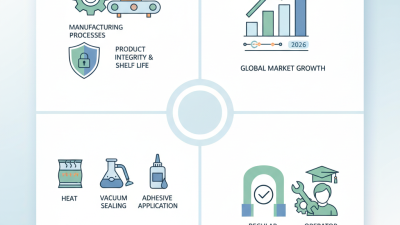
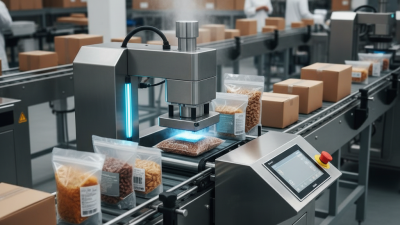
In the dynamic world of industrial manufacturing, the importance of reliable packaging solutions cannot be overstated. The industrial heat sealing machine plays a crucial role in ensuring product integrity and extending shelf life. According to a report by MarketsandMarkets, the global heat sealing equipment market is projected to reach $6.7 billion by 2025, reflecting a compound annual growth rate (CAGR) of 5.2%. This growth highlights the increasing demand for efficient sealing technologies across various sectors.
Industrial heat sealing machines are intricately designed for diverse applications, from food packaging to medical supplies. Each machine possesses unique features that cater to specific industry requirements. For instance, automated systems enhance production speed, while manual machines offer flexibility for smaller operations. Despite the advancements, many buyers face challenges in selecting the right equipment. Factors such as machine durability, energy efficiency, and maintenance costs often lead to tough decisions.
With numerous options available, understanding the nuances of each machine is critical. Buyers must consider factors such as ease of use, sealing temperature, and material compatibility. Mistakes in selection can result in operational inefficiencies and increased costs. This article aims to provide insights into the top industrial heat sealing machines currently available, equipping global buyers with the knowledge needed to make informed decisions.
Understanding the Basics of Industrial Heat Sealing Machines
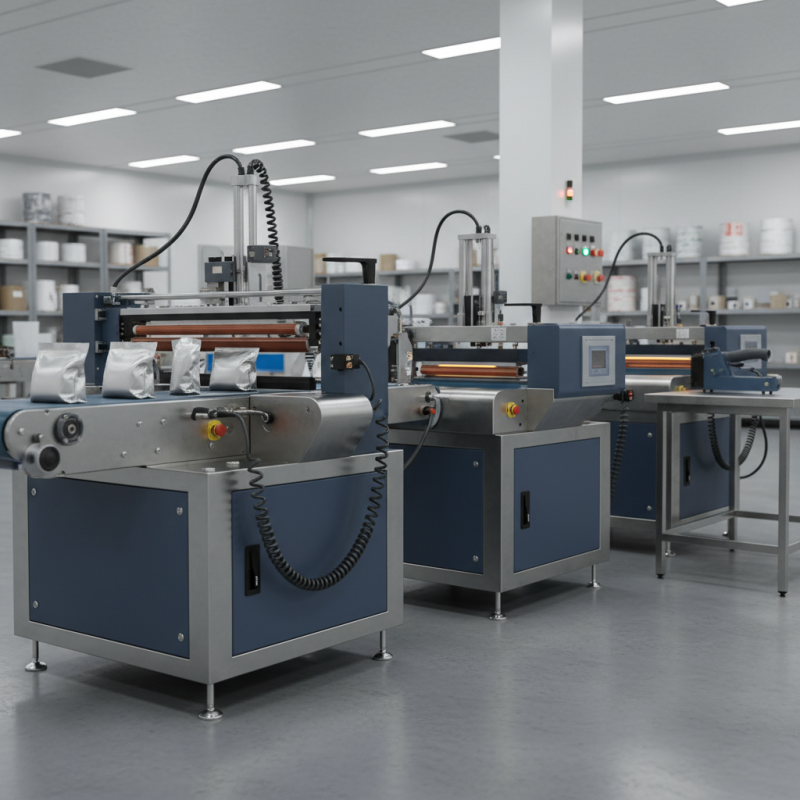
Industrial heat sealing machines play a crucial role in packaging processes across various industries. These machines create airtight seals, essential for preserving product freshness. Understanding how they work and what to consider before purchasing can greatly enhance efficiency.
Choosing the right heat sealing machine involves examining several factors. First, consider the type of materials you will seal. Different machines cater to varying thicknesses and compositions. Evaluate energy sources as well. Electric and pneumatic machines offer distinct advantages. Depending on your application, each type has unique capabilities.
Tips: Evaluate the machine’s sealing speed to match your production needs. Look for models with adjustable temperature controls to achieve optimal sealing quality.
Training operators on these machines is vital. Misunderstandings can lead to equipment failure or poor sealing, which is costly. Additionally, regular maintenance should not be overlooked. A well-maintained machine operates reliably but may reveal inefficiencies over time that need addressing.
Tips: Implement routine checks for wear and tear. Encourage feedback from operators to identify recurring issues. Consider investing in training programs for long-term benefits.
Key Features to Consider When Selecting Heat Sealing Machines
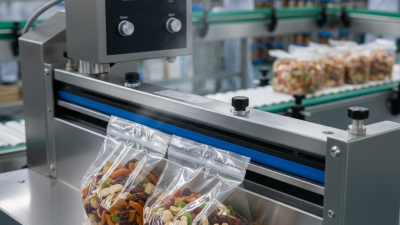
When choosing an industrial heat sealing machine, key features are paramount. Start with the sealing type. Options include impulse, continuous, and vacuum sealers. Each has its applications. Impulse sealers are ideal for light materials. Continuous sealers work well for high-speed production. Understand the specific needs of your operation to make the best decision.
Consider sealing width and thickness limits. This factor affects the types of materials you can work with. A machine with a wider sealing capability allows for versatility in packaging. Another important feature is temperature control. Precise temperature settings ensure strong seals on various materials. An inconsistent temperature may lead to faulty seals, causing waste.
Durability is also crucial in selecting a machine. Industrial use demands sturdy components. Regular wear and tear can affect performance over time. Look for machines with a solid warranty, indicating manufacturer confidence. Maintenance requirements should also be clear. Some machines need frequent servicing, while others are more reliable. Balancing these aspects can enhance long-term productivity in your operations.
Top 10 Industrial Heat Sealing Machines: An Overview
Industrial heat sealing machines play a crucial role in packaging and manufacturing processes. They ensure airtight seals, prolonging product shelf life. According to a recent market analysis, the demand for heat sealing machines is projected to grow at a CAGR of 5.8% between 2023 and 2028. This growth reflects the rise in sustainable packaging and increased automation in factories.
Many buyers face challenges when selecting the right machine. One major factor is understanding the application. Heat sealing machines vary significantly in design and functionality. Some are better suited for rigid packaging, while others excel in flexible materials. It's vital to match the machine to the specific needs of your products.
**Tip:** Always assess your production volume before purchasing. For low-volume runs, consider machines with manual settings. This could save on costs. Additionally, make sure to consider maintenance costs. Some machines may offer lower upfront prices but have high long-term maintenance demands.
Efficiency is key. Machines with adjustable sealing temperatures can adapt to different materials. This flexibility can enhance production efficiency. However, it's crucial to monitor seal integrity frequently. Inconsistent sealing can lead to product spoilage, which may offset any savings. Investing in quality machines pays off in the long run.
Top 10 Industrial Heat Sealing Machines - Performance Comparison
Comparative Analysis of Performance and Efficiency
In the rapidly evolving landscape of industrial heat sealing machines, performance and efficiency are paramount. According to recent industry reports, global demand for heat sealing solutions is projected to grow by 5.6% annually through 2025. This growth stems from the increasing need for reliable packaging across sectors like food, pharmaceuticals, and electronics.
Efficiency not only reduces costs but also enhances productivity. Modern machines can seal materials at speeds exceeding 50 meters per minute. This increase in speed is crucial as manufacturers strive to meet higher production demands. However, achieving optimal performance necessitates regular maintenance and adjustments. Many companies still overlook these aspects, leading to suboptimal results and increased downtime.
Data indicates that machines with advanced control systems considerably boost efficiency. These systems provide real-time monitoring of seal integrity and energy consumption. Furthermore, reports highlight that improper sealing can lead to product spoilage in the food industry, emphasizing the need for precision. Investing in high-quality sealing machines can mitigate these risks and ultimately improve operational outcomes. However, the initial investment may deter some buyers, adding complexity to their decision-making.
Top 10 Industrial Heat Sealing Machines for Global Buyers
| Model |
Max Sealing Width (mm) |
Power Consumption (kW) |
Sealing Speed (m/min) |
Weight (kg) |
Efficiency Rating |
| Model A |
600 |
2.5 |
12 |
150 |
A++ |
| Model B |
800 |
3.0 |
15 |
180 |
A+ |
| Model C |
1000 |
4.5 |
20 |
200 |
B |
| Model D |
700 |
2.2 |
10 |
160 |
A++ |
| Model E |
900 |
3.2 |
18 |
190 |
A |
| Model F |
1100 |
5.0 |
22 |
210 |
B+ |
| Model G |
850 |
2.8 |
16 |
170 |
A++ |
| Model H |
950 |
4.0 |
19 |
200 |
B |
| Model I |
1200 |
5.5 |
25 |
220 |
A |
| Model J |
950 |
3.7 |
17 |
190 |
A+ |