Top Handheld Heat Sealing Machine Options for Your Packaging Needs?
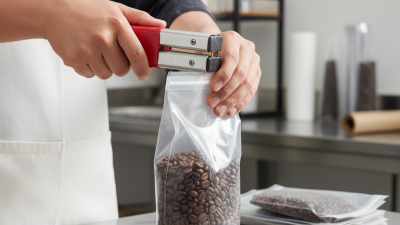
In today's fast-paced packaging industry, efficiency is king. A handheld heat sealing machine has become essential for small businesses and large manufacturers alike. Renowned expert in packaging technology, Dr. Emma Thompson, once said, "The right sealing machine can save time and enhance product durability." This powerful tool allows for quick, reliable sealing of products, ensuring they remain intact during transport.
Choosing the right handheld heat sealing machine can be a daunting task. With various options available, it’s easy to feel overwhelmed. It’s crucial to consider the specific packaging needs of your business. Not all machines deliver the same quality or speed. Some may even fall short of expectations, leading to wasted materials and time.
The right handheld heat sealing machine can provide both durability and convenience. It should fit comfortably in your hand and operate smoothly. However, many users report frustration with complicated settings or inconsistent heat distribution. It’s a reminder to research options carefully and read user testimonials. Finding the best solution requires thoughtful reflection on your packaging processes.
Top Features to Consider When Choosing a Handheld Heat Sealing Machine
When choosing a handheld heat sealing machine, several features matter. The sealing width is crucial. It determines how much material you can seal at once. Look for models that support different widths. This versatility can suit various packaging needs.
Power settings are essential too. Machines with adjustable temperatures offer more control. You can tailor the heat based on your materials. Inconsistent heating can lead to unsatisfactory seals. Aim for a machine that ensures even heat distribution.
Consider portability as well. A lightweight design can enhance usability. You might need to move it often. Battery-operated options can also provide more flexibility. Tips: Always test seal samples before large runs. Adjust settings as necessary. Remember, a machine that is too heavy may not be practical for frequent use.
Types of Handheld Heat Sealers: A Comprehensive Overview
Handheld heat sealers come in various types, each suited for different packaging needs. The most common types are
impulse sealers, direct heat sealers,
and band sealers. Impulse sealers use a heating element that activates only
when the sealing bar is pressed down. This method is energy-efficient but may require careful adjustment for different materials.
According to industry reports, impulse sealers account for a significant share of the market, approximately
45%, owing to their versatility.
Direct heat sealers, on the other hand, provide continuous heating. They are ideal for thicker materials but consume more energy.
These sealers deliver consistent results. Industry data suggests that around
30% of users prefer direct heat sealers for bulk packaging. Band sealers are also popular,
especially in food packaging. They allow for high-speed sealing, but they can be complicated to set up. Improper settings
often lead to wasted materials. In fact, reports indicate that nearly
25% of first-time users face challenges with band sealers.
Choosing the right type depends on specific applications. Some users may struggle with impulse and band sealers.
Each has its pros and cons, influencing efficiency. Parameters like material type, desired seal strength, and production speed should guide your choice.
It's vital to analyze your packaging demands carefully before making a decision.
Comparative Analysis of Popular Handheld Heat Sealing Machines
Handheld heat sealing machines are essential tools for various packaging needs. They come in different styles, sizes, and features. Each model has its advantages and disadvantages. Some machines are very portable, making them easy to use on the go. However, they might not seal as efficiently as larger units.
When comparing popular handheld options, consider materials and thickness. Some machines perform better on thicker materials. Heat settings can vary between models, impacting sealing quality. For instance, a machine with adjustable heat might offer better results for different packaging requirements. On the other hand, lack of heat control can lead to under-sealing or material damage, which is frustrating.
Many users notice the weight of these machines. A lightweight option can be convenient for longer usage, but it may lack stability during operation. Additionally, factors like cord length are important for usability. If the cord is too short, it can restrict movement. Overall, while handheld heat sealing machines offer flexibility, users must weigh the pros and cons based on their specific needs.
Best Practices for Using Handheld Heat Sealers in Packaging
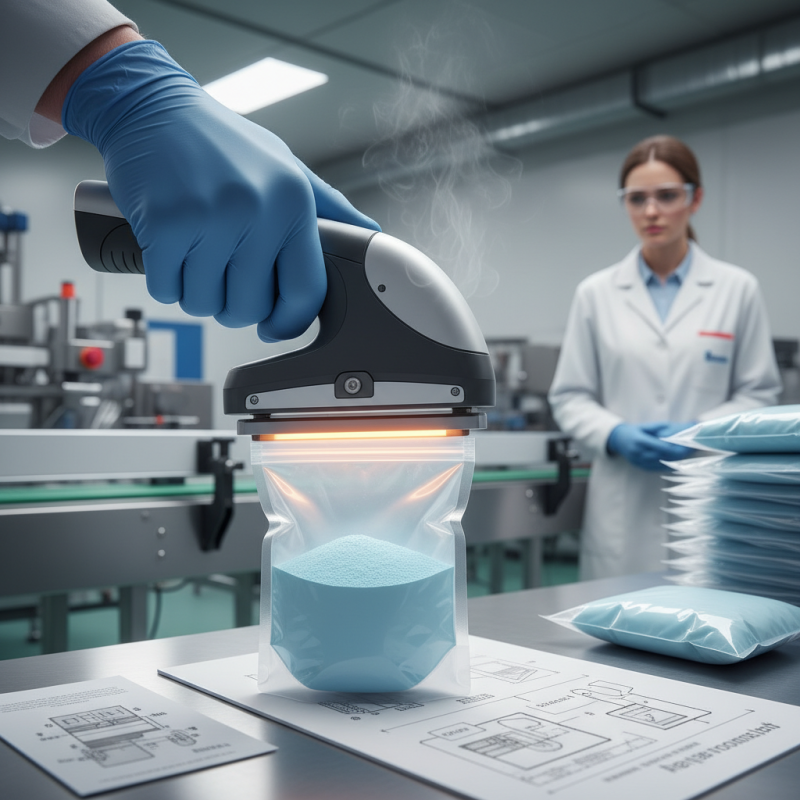
Handheld heat sealers have become essential tools in various packaging processes. They offer flexibility and portability, ideal for small to medium production runs. According to industry reports, 35% of businesses prefer these devices for their quick setup and ease of use. Proper technique is crucial for achieving consistent seals.
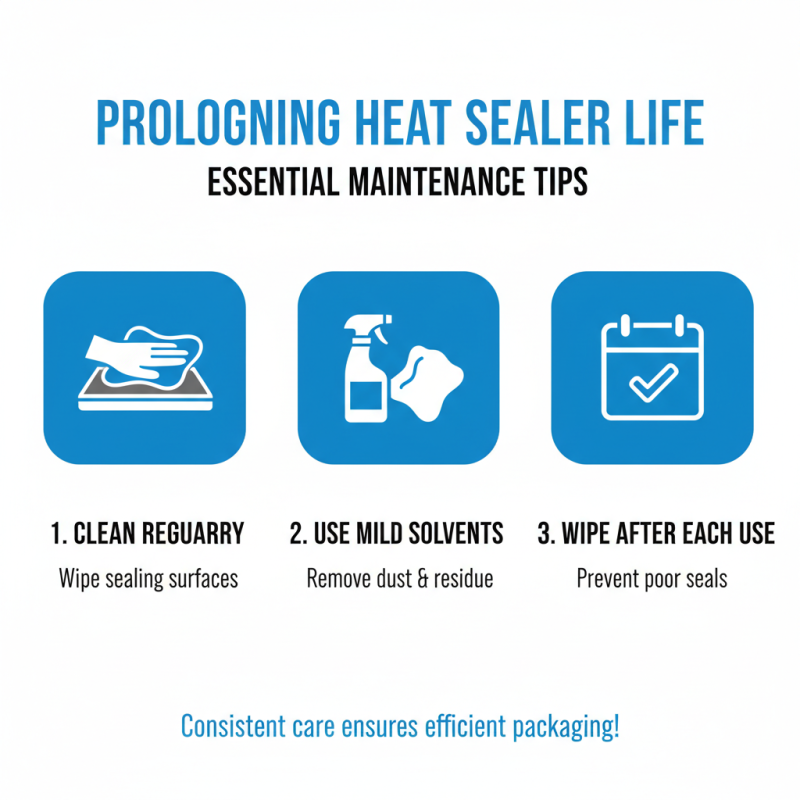
When using handheld heat sealers, ensure the surfaces are clean and dry. This influences the sealing quality. The temperature settings should match the packaging material’s specifications. Studies show that incorrect temperature can lead to weak seals, affecting product integrity. Additionally, training users to apply even pressure improves sealing results.
However, not all operators achieve ideal results. Some may rush, resulting in incomplete seals. Regularly testing and calibrating the equipment helps mitigate this issue. Moreover, keeping a record of sealing performance can identify irregularities and ensure optimal operation. Staying informed about best practices is vital for maintaining efficiency and quality in packaging.
Top Handheld Heat Sealing Machine Options for Your Packaging Needs
| Model |
Seal Width |
Heating Time |
Power Supply |
Weight |
Usage Type |
| Model A |
12 inches |
2 seconds |
110V |
1.5 kg |
Light Duty |
| Model B |
8 inches |
3 seconds |
220V |
1 kg |
Medium Duty |
| Model C |
10 inches |
1.5 seconds |
110V |
1.2 kg |
Heavy Duty |
| Model D |
14 inches |
4 seconds |
220V |
1.8 kg |
Industrial |