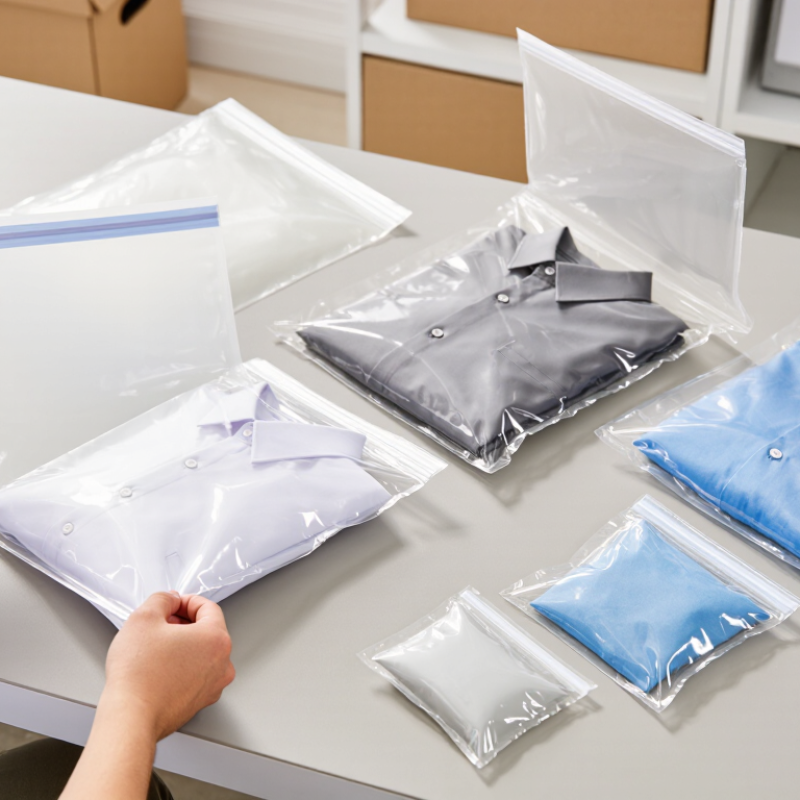
| Product specification and fit | Confirm bag style, finished dimensions, thickness, closure, printing, and any ventilation or warning-hole requirements. Specify thickness in microns (µm) and define how it will be measured. | A written specification sheet, dimensioned drawing, material description, and approved pre-production sample. | 20% | _____ |
| Quality control | Assess consistency of dimensions, thickness, sealing, print position and color, odor, and packaging. Agree on acceptable defect limits and inspection procedures before production. | Documented inspection plan, sample inspection records, defect-handling process, and a pre-shipment inspection option. | 20% | _____ |
| Material and regulatory requirements | Identify the actual resin and any recycled content, and check suitability against the destination market’s packaging rules. Recyclability depends on the bag’s material construction and the collection and recycling systems available locally. | Material declaration and relevant, current test reports or compliance documents for the intended market. Verify the document’s scope, issuer, product, and validity; do not assume a certificate covers every bag. | 15% | _____ |
| Production capability | Check whether the supplier can make the required bag construction, printing, order quantity, and repeat orders. Ask how production capacity is allocated during busy periods. | Production workflow, equipment or process details relevant to the order, capacity confirmation, and a clear explanation of any subcontracted work. | 15% | _____ |
| Total landed cost | Compare the same specifications and order quantity. Include tooling or plate charges, printing, packing, freight, insurance, duties, and other applicable import costs—not just the unit price. | An itemized quotation with currency, quote validity, payment terms, delivery term and named place, and a list of excluded charges. | 10% | _____ |
| Lead time and order flexibility | Separate sample, production, and transit schedules. Confirm minimum order quantity, repeat-order terms, and how schedule changes or delays are communicated. Timelines vary by product, quantity, and season. | A dated production schedule, written MOQ and reorder terms, and confirmation of the point at which lead time begins. | 10% | _____ |
| Communication and issue resolution | Evaluate response clarity, accuracy, and consistency. Check whether the contact can confirm specifications in writing and explain how complaints or corrective actions are handled. | Written answers to a technical inquiry, a named point of contact, and a documented process for handling nonconforming goods. | 5% | _____ |
| Export and shipment readiness | Confirm export-document responsibilities, carton labeling, packing method, shipment marks, and whether the quoted delivery term matches the buyer’s logistics plan. | A draft packing list or shipping-document checklist, carton specifications, and written confirmation of each party’s responsibilities. | 5% | _____ |