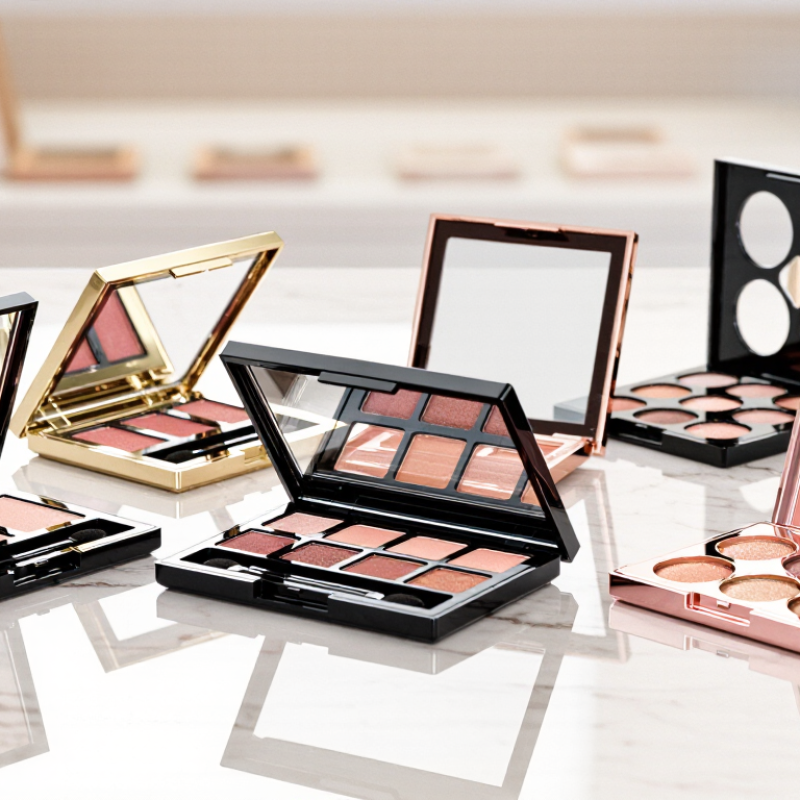
| Plastic packaging manufacturer | Single-, multi-, and travel-pan cases; hinged or snap-close designs | Commonly polypropylene (PP), ABS, or other plastics selected for the design | Plastic parts are commonly formed by injection molding, then assembled with hinges, closures, and any pan-retention components. | Case shape, color, finish, window, mirror, logo decoration, and pan layout | Ask for material specifications, closure-cycle checks, dimensions, and a production sample. Confirm that the selected material and finish meet the intended market requirements. |
| Paperboard packaging manufacturer | Flat or fold-out palettes, sleeves, and lightweight cartons with pan cavities | Paperboard or cardboard, printed paper, and—in some designs—magnetic or other closure components | Sheets are printed and finished, then cut and creased with dies and folded or assembled into the case structure. | Printed artwork, board thickness, surface finish, internal layout, and closure style | Review board strength, print color, crease quality, adhesive bonding, and resistance to everyday handling. Confirm whether the palette is designed to hold pans securely. |
| Metal-component manufacturer | Metal cases, covers, and compact components used alone or combined with other materials | Metal sheet or formed metal parts; the exact alloy and coating depend on the product specification | Metal parts may be stamped or formed, finished with a coating or decorative surface, and assembled with other case components. | Shape, surface finish, color, embossing, printing, and mixed-material construction | Check edge smoothness, coating consistency, corrosion-resistance requirements, fit, and finish durability using samples and agreed specifications. |
| Magnetic-palette specialist | Reusable cases designed to hold removable metal pans | Plastic, paperboard, or metal case bodies; magnetic sheet or magnet components; compatible metal pans | The case is made using the process appropriate to its body material. A magnetic component is fitted or bonded into the base so compatible pans can be removed and repositioned. | Pan grid, magnet coverage, case material, mirror, size, and exterior decoration | Test pan retention and removal with the actual pan size and weight. Verify magnet placement, adhesive attachment, and compatibility before approving production. |
| Custom assembly and decoration supplier | Multi-part palettes combining a case, mirror, insert, pans, and decorative elements | Material combinations vary; components may be sourced or made through different processes | Components are made separately, decorated as specified, and assembled. Assembly may include fitting hinges, mirrors, inserts, magnets, or closures. | Custom layout, color matching, logo application, mirror, inserts, and coordinated packaging | Confirm component responsibilities, assembly tolerances, inspection criteria, sample approval, packaging protection, and the final bill of materials. |
| Quality and sourcing checklist | Applicable to any empty-palette format | Confirm the exact material for every component rather than relying on a general product description | Request a specification sheet and representative sample; agree on dimensional, appearance, and functional acceptance criteria before production. | Document approved colors, artwork, dimensions, finish, pan fit, and any required testing | Check supplier-provided documentation, sample consistency, closure and hinge function, surface defects, cleanliness, and applicable packaging regulations in the destination market. |