| Primary Material | Polypropylene (PP) woven fabric with a PP inner liner when required | Materials intended for food contact must comply with applicable food-contact regulations in the destination market | Raw-material declaration, supplier approval, and migration or compliance documentation |
| Common Bag Capacity | Typical flour packaging sizes include 5 kg, 10 kg, 25 kg, and 50 kg | Rated capacity should match the product weight, filling method, and transport conditions | Dimensional inspection, filling trials, and finished-bag load testing |
| Fabric Construction | Circular or flat PP woven construction; fabric specification selected according to bag size and load | Fabric should be clean, dry, free from foreign matter, and suitable for the intended food-packaging application | Visual inspection, fabric weight measurement, and tensile-strength testing |
| Bag Dimensions | Width, length, gusset, and opening dimensions are defined by the approved packaging specification | Dimensional tolerances must support reliable filling, sealing, stacking, and palletization | Calibrated measuring tools and documented incoming, in-process, and final inspection |
| Closure Options | Sewn hem, sewn valve, open-mouth construction, or heat-sealed liner depending on the filling system | Closure must limit product leakage and prevent contamination during handling and distribution | Seam inspection, leakage checks, and simulated handling or drop tests |
| Printing Control | Flexographic printing with artwork, color, and print-position controls defined in the approved proof | Printing must not compromise package integrity; inks and coatings should be suitable for the intended packaging use | Artwork approval, color comparison, print adhesion, and visual inspection |
| Hygiene Program | Controlled production areas, documented cleaning, personnel hygiene, pest control, and foreign-material prevention | Manufacturing conditions should prevent microbiological, chemical, and physical contamination | Hygiene records, sanitation inspections, pest-control records, and internal audits |
| HACCP-Based Controls | Hazard analysis covering raw materials, extrusion, weaving, printing, sewing, packing, and storage | Identified hazards require preventive controls, monitoring, corrective action, and record retention | HACCP plan, hazard-assessment records, monitoring logs, and corrective-action reports |
| ISO 9001 Quality System | Documented quality objectives, process controls, traceability, nonconformance handling, and continual improvement | Quality procedures should be implemented consistently and supported by controlled records | Quality manual, operating procedures, audit results, and corrective-action effectiveness reviews |
| BRCGS Packaging Controls | Controls may include product safety culture, site standards, product testing, traceability, and incident management | Applicable requirements depend on the packaging category, intended use, and certification scope | Certification scope, audit reports, traceability exercises, and documented product-safety procedures |
| Finished-Bag Testing | Typical tests include dimensions, weight, seam strength, tensile strength, print quality, leakage, and visual defects | Acceptance limits should be agreed in the technical specification before production | Sampling plan, inspection records, laboratory reports, and batch-release approval |
| Traceability | Batch or lot identification linked to raw materials, production date, inspection results, and shipment records | Records should support an effective mock recall and investigation of quality incidents | Lot codes, production records, warehouse logs, and traceability or recall exercises |
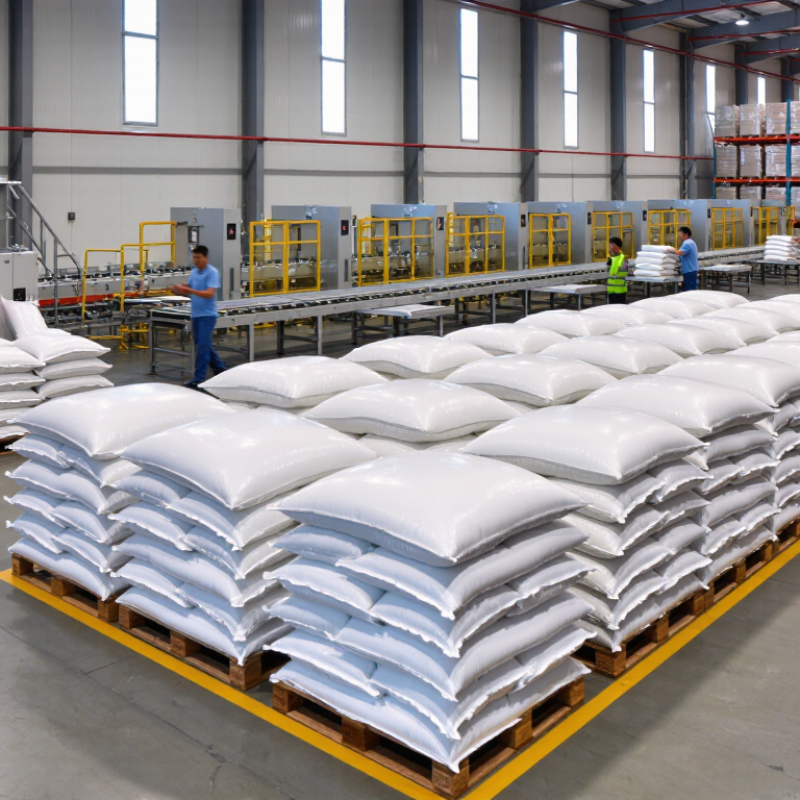
| Storage and Shipment | Finished bags stored in a clean, dry area away from chemicals, moisture, pests, and direct contamination sources | Packaging should be protected during warehousing and transportation to preserve cleanliness and structural integrity | Warehouse inspections, pallet checks, loading records, and shipment-release verification |