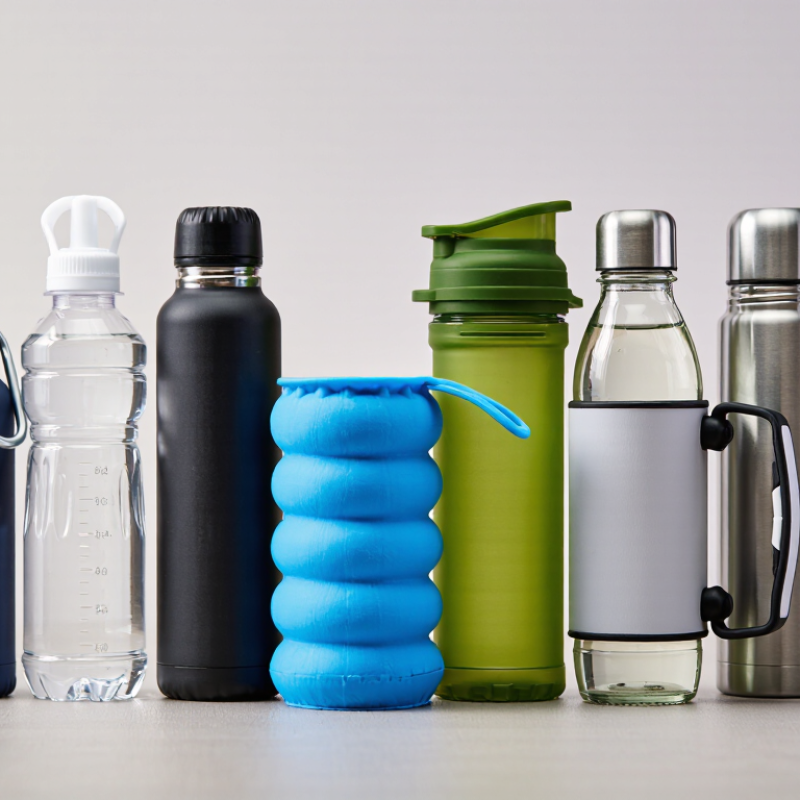
| 1 | Single-Wall Stainless Steel | 500–1,000 ml | Durable metal construction with no vacuum insulation; generally lighter and simpler than insulated steel bottles. | Everyday hydration, commuting, school, and outdoor use where temperature retention is not essential. | Confirm the steel specification, interior finish, corrosion resistance, lid materials, and food-contact compliance for each destination market. |
| 2 | Vacuum-Insulated Stainless Steel | 350–1,200 ml | Double-wall vacuum construction is designed to reduce heat transfer and help drinks retain their temperature. | Travel, work, outdoor activities, and markets where hot-and-cold performance is a key selling point. | Request substantiated temperature-retention test results; check filled weight, leak resistance, lid usability, and care instructions. |
| 3 | Aluminum | 500–750 ml | Lightweight metal body, commonly made with an internal lining to separate beverages from the aluminum. | Hiking, cycling, events, and price-conscious outdoor ranges. | Verify the lining’s food-contact suitability and durability, especially for acidic drinks; assess dent resistance and coating quality. |
| 4 | Tritan Copolyester | 500–1,000 ml | Clear, lightweight reusable plastic commonly selected for a glass-like appearance and impact resistance. | Sports, school, office, and everyday use where users want to see the liquid level. | Confirm the exact resin and food-contact documentation. Make claims such as “BPA-free” only when supported by supplier documentation and applicable rules. |
| 5 | Polypropylene (PP) | 400–1,000 ml | Lightweight plastic option often used for practical, value-oriented bottle designs; performance varies by grade and construction. | Promotional programs, institutional purchasing, and budget-friendly everyday ranges. | Check material identification, temperature-use guidance, odor and taste performance, closure durability, and local food-contact requirements. |
| 6 | Glass | 350–750 ml | Non-porous drinking surface and clear appearance; heavier and more breakable than most plastic or metal alternatives. Some designs use a protective sleeve. | Home, office, and lifestyle retail where a glass drinking surface is preferred. | Assess breakage risk, protective packaging, sleeve coverage, lid materials, and any applicable glass-product safety requirements. |
| 7 | Collapsible Silicone | 350–750 ml when expanded | Flexible body can be compressed for storage; often aimed at travel and space-saving use. | Travel, camping, festivals, and compact carry kits. | Verify that the silicone is intended for food contact; test stability when filled, folding durability, cleaning access, and leak resistance. |
| 8 | Filtered Bottle | 500–750 ml | Includes a replaceable or integrated filter. Filtration capability depends on the specific filter design and tested claims. | Travel and everyday use where users want a bottle with an added filtration function. | Review independent test evidence for each stated contaminant reduction claim, filter life, replacement availability, and water-source limitations. |
| 9 | Squeeze Sports Bottle | 500–1,000 ml | Flexible bottle body and a squeeze or sports-cap opening allow quick drinking; many models are designed for one-handed use. | Cycling, fitness, team sports, and active-use retail. | Check valve flow, cap security, cleaning access, leak performance, compatibility with common holders, and suitability for the intended beverage. |
| 10 | Kids’ Straw or Spout Bottle | 250–500 ml | Smaller format with a straw, spout, or flip-top lid intended to make drinking more accessible for children. | School, childcare, family travel, and children’s product ranges. | Review age grading, small-part and choking-risk requirements where applicable, spill resistance, cleaning instructions, and relevant children’s product rules. |