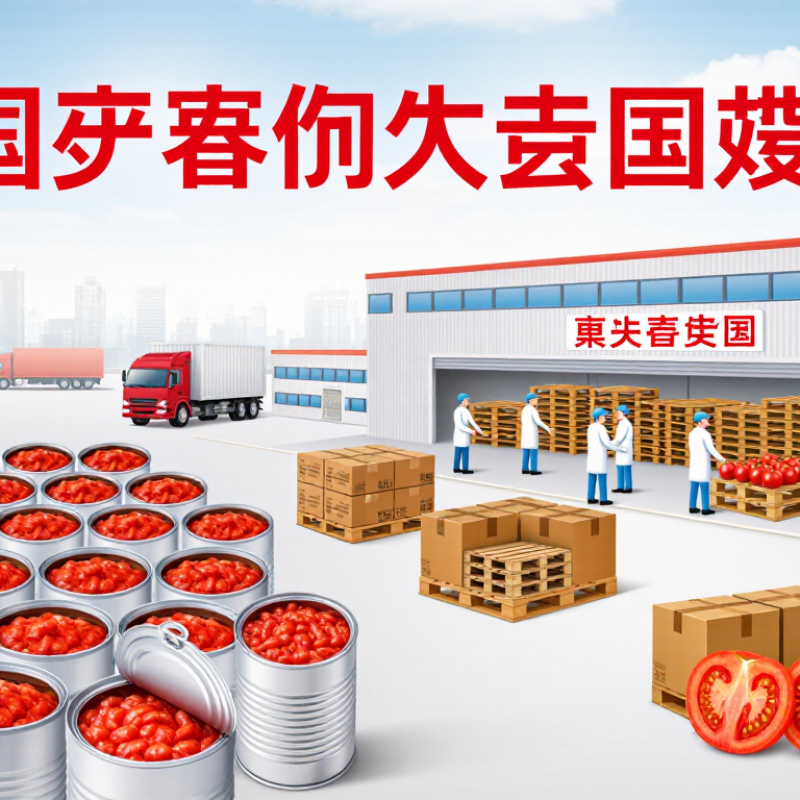
| Raw-material geography | Xinjiang is a major tomato-processing region in China. A regional tomato-processing presence does not, by itself, confirm that a facility produces canned crushed tomatoes; some processors focus on tomato paste. | Confirm the actual manufacturing site, tomato sourcing area, product type, and whether crushing and canning take place at the same facility. |
| Product definition | “Crushed tomatoes” generally describes tomatoes broken into pieces and packed in tomato juice or purée. Cut size, texture, added ingredients, and packing medium can vary by specification. | Request a written product specification covering cut size, texture, ingredients, packing medium, and any permitted processing aids. |
| Soluble solids | Degrees Brix indicate soluble-solids concentration; they are not, on their own, a measure of the proportion of tomato pieces in a can. | Agree on the required Brix range and test method, and separately specify the desired tomato-piece content and consistency. |
| Packaging formats | Retail cans and larger food-service or industrial packs are used in the broader canned tomato category. Available sizes and pack materials depend on the product line and destination market. | Confirm net weight, drained weight if relevant, can dimensions, inner coating, carton configuration, and whether the pack is suitable for the intended market. |
| Processing and food safety | Canned tomato products are commercially heat processed. Processing controls and the scheduled process should be appropriate to the product, container, and production conditions. | Review the facility’s food-safety plan, process validation, traceability procedures, and relevant audit or certification documents. Verify certificate scope and validity. |
| Regulatory and export documentation | Import requirements depend on the destination country, product formulation, labeling, and shipment route. Requirements can differ between markets. | Check applicable destination-country rules and request supporting documents such as ingredient and allergen declarations, product specifications, certificates, and shipment records as required. |
| Quality consistency | Color, flavor, piece size, viscosity, and separation can vary with tomato variety, maturity, processing, and storage. | Approve a representative sample and set measurable acceptance criteria for each production lot before placing a repeat order. |
| Commercial terms | Minimum order quantity, lead time, pricing basis, and private-label options are supplier- and order-specific; there is no single standard applicable to all factories. | Obtain a dated quotation that states the specification, packaging, order quantity, production lead time, Incoterm, payment terms, and sample policy. |
| Supplier due diligence | A trading company and a manufacturer may offer different levels of control over production, quality records, and scheduling. | Confirm the legal seller and manufacturing entity, factory address, production scope, and responsibility for inspection, complaints, and traceability. |