In 2023, U.S. flexible packaging sales reached $42.9 billion, according to the Flexible Packaging Association. This figure covers a broad packaging sector, not stand-up pouches alone. It includes flexible formats used across food, personal care, household, and other markets. That distinction matters. A large market total shows the format’s commercial reach, but it does not reveal how much came from any single package type.
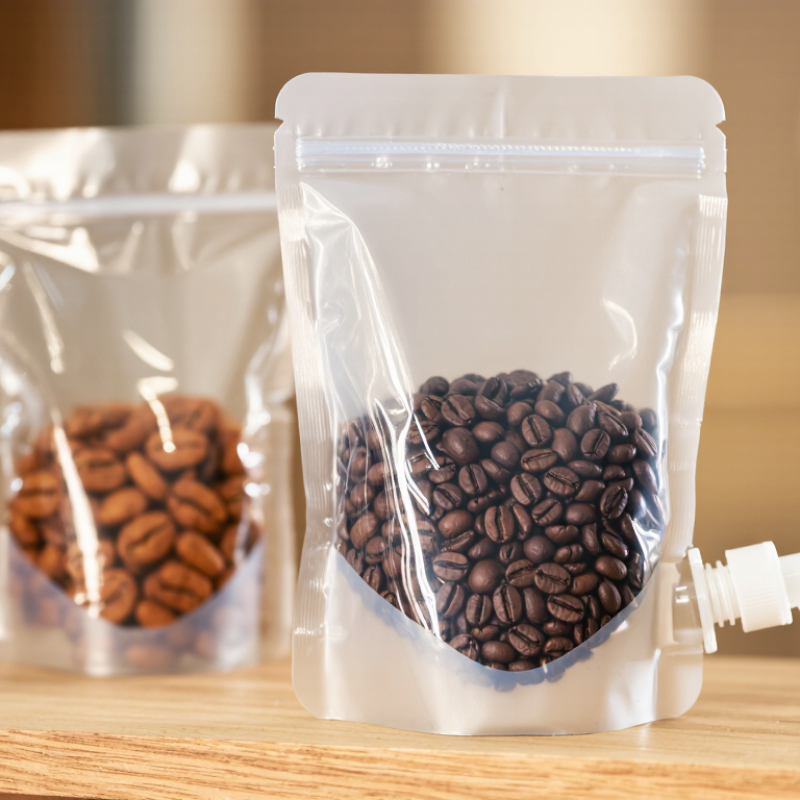
A stand-up pouch is a flexible bag designed with a bottom gusset, allowing it to stand on a shelf when filled. It may use a zipper, spout, or tear notch, depending on the product and how people use it. Common applications include snacks, coffee, pet food, and refill products. For shoppers, the pouch can be light to carry and easy to store. For retailers, it can offer visible shelf presentation without a rigid container.
Material choices affect barrier performance, sealing, and recyclability, so a pouch is not automatically a better option in every case. A product needing strong moisture or oxygen protection may require specialized layers. That can make disposal more complicated. The $42.9 billion figure gives useful market context, but it cannot tell us whether a particular pouch reduces total environmental impact. The details matter: product protection, package weight, transport, and local recovery options all shape the outcome.