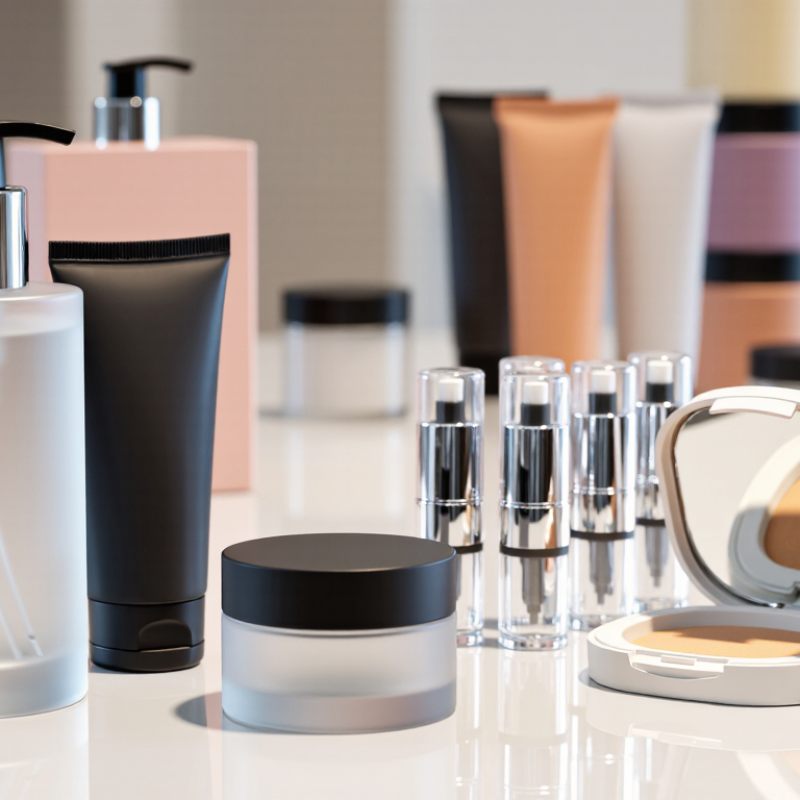
| Rigid bottles and jars | Glass; PET; PETG; PP; HDPE; acrylic (PMMA) | Glass forming and annealing; plastic injection molding; extrusion blow molding; injection stretch blow molding, commonly used for PET bottles | Perfume, skincare, cleansers, lotions, creams and serums | Glass offers a substantial feel and can provide a strong barrier, but is heavier and breakable. Plastic options vary in clarity, weight, chemical compatibility and recyclability. |
| Caps, lids and closures | PP; PE; ABS; aluminum; steel | Injection molding for many plastic closures; metal stamping or forming; surface finishing and assembly | Bottle caps, jar lids, compact closures and decorative overcaps | Closure dimensions and sealing features need to match the container finish. Material choice can affect durability, appearance and compatibility with the formula. |
| Spray and lotion pumps | Typically PP and PE components, with metal springs and other small components depending on design | Injection molding of components; component assembly; functional testing | Fine-mist products, facial sprays, lotions, liquid foundations and skincare products | Output, dip-tube length, priming and seal performance depend on the pump design and product. Test the pump with the intended formula and container. |
| Airless dispensing packs | Commonly PP and other compatible plastics; some designs combine multiple materials | Injection molding; component assembly; dispensing and leakage checks | Serums, creams, lotions and other products dispensed from a closed pack | Airless designs use a moving piston or similar mechanism to dispense product. Compatibility, evacuation performance and pack assembly should be evaluated with the formula. |
| Cosmetic tubes | PE; laminated plastic structures; aluminum | Plastic extrusion or co-extrusion; laminate tube forming and sealing; aluminum impact extrusion; shoulder molding and cap fitting | Hand creams, cleansers, sunscreen, masks and color cosmetics | Barrier performance depends on the tube structure and material. Check product compatibility, decoration requirements, seal integrity and the intended disposal or recycling route. |
| Compacts and small cases | PP; ABS; aluminum; combinations of plastics and metal | Injection molding; metal stamping or forming; hinge, mirror and component assembly | Pressed powder, blush, eyeshadow and solid makeup products | Hinge strength, closure fit and resistance to impact are important for repeated use and transport. Designs with mixed materials can be more difficult to separate for recycling. |
| Folding cartons and outer boxes | Paperboard and coated or printed paperboard | Printing; surface finishing; die-cutting; creasing; folding and gluing | Secondary packaging for bottles, jars, tubes and makeup products | Paperboard protects and presents the primary pack but is not normally the product-contact container. Board grade and coatings affect strength, appearance and recyclability. |
| Labels and decorative finishes | Paper; film; inks; coatings; metallic foil | Printing; label converting; screen printing; hot stamping; coating and other surface-decoration processes | Product identification and decoration on bottles, jars, tubes and cartons | Adhesives, inks and finishes should suit the packaging surface and expected handling conditions. Decoration can affect sorting or recycling depending on the pack design. |