What is an Industrial Bag Sealing Machine and How Does it Work?
An industrial bag sealing machine is a pivotal tool in the packaging industry. These machines ensure that products remain secure and protected during storage and transport. They are designed to seal bags of varying sizes and materials efficiently. With advancements in technology, modern sealing machines offer faster operation and improved reliability.
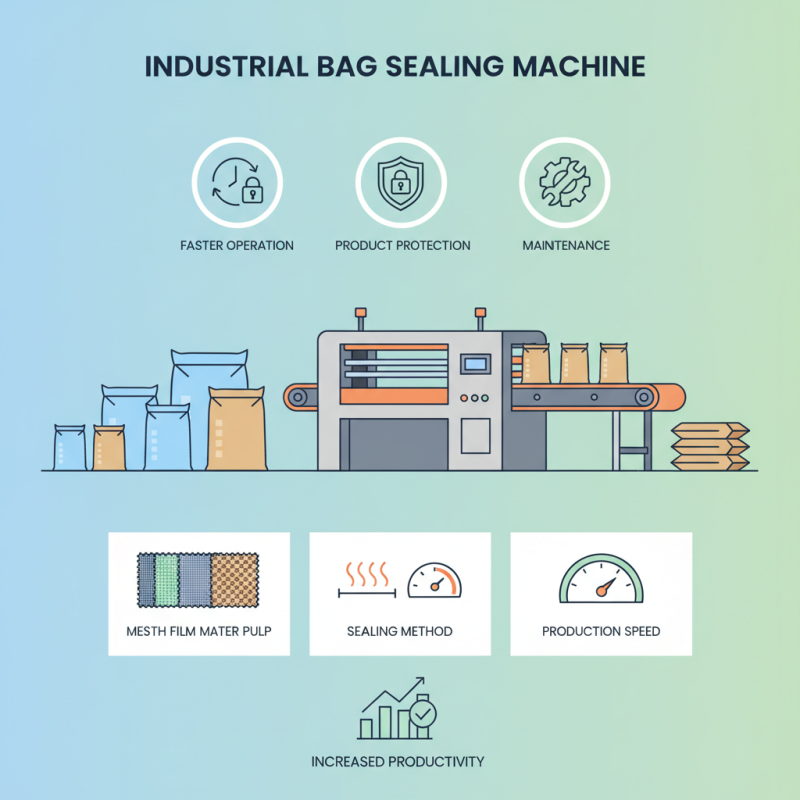
Businesses rely on these machines for consistency and quality. A properly sealed bag preserves product freshness and prevents contamination. However, it can be challenging to choose the right machine. Factors such as bag material, sealing method, and production speed must be considered.
Despite their importance, not all machines operate flawlessly. Some may struggle with intricate bag designs, leading to potential waste. Regular maintenance is crucial to ensure optimal performance. Ultimately, investing in a reliable industrial bag sealing machine can enhance productivity and product integrity in the long run.
What is an Industrial Bag Sealing Machine?
An industrial bag sealing machine is a vital tool in many manufacturing sectors. Its primary function is to securely seal bags filled with various products. This includes food items, chemicals, and other goods. These machines ensure that the contents are protected from contamination and spoilage during storage and transportation.
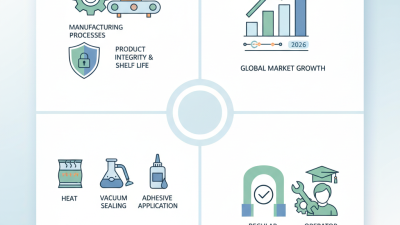
The operation of these machines can vary based on their design. Some use heat to fuse the edges of bags together, while others may rely on adhesives or mechanical seals. The choice depends on the materials being sealed and the desired level of protection. Many machines are adjustable, allowing operators to change settings for different bag sizes and materials. However, this flexibility can sometimes lead to operating challenges. An inexperienced user may struggle to find the right settings, causing waste or poor seals.
In practice, using an industrial bag sealing machine can also raise concerns. Maintenance is essential, as worn parts can affect the quality of seals. Regular checks are often overlooked, which can lead to production delays. Moreover, understanding the nuances of different sealing techniques takes time and experience. There is a learning curve that can impact efficiency.
Types of Industrial Bag Sealing Machines
Industrial bag sealing machines are vital in various sectors. They ensure that products remain secure and contamination-free. Different types of these machines serve specific needs, enhancing productivity.
One common type is the heat sealing machine. It uses heat to bond materials, providing a reliable seal. Reports suggest that heat sealing can improve efficiency by up to 30%. Another popular option is the vacuum sealing machine. This type removes air from the bag before sealing, which extends shelf life. According to recent data, vacuum sealing can improve preservation rates by about 50%.
A less common option is the impulse sealing machine. It employs a quick burst of heat and cools instantly. While effective, this type requires skilled operators to minimize errors. Some users report inconsistent seals, highlighting the need for operator training. Overall, understanding these diverse sealing machines can help businesses choose the right equipment for their needs.
Key Components of a Bag Sealing Machine
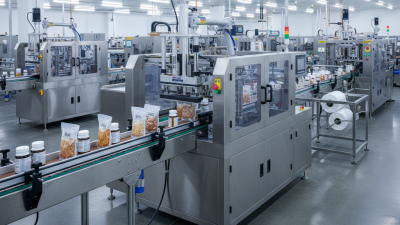
An industrial bag sealing machine is essential for various industries. It securely seals bags, ensuring products remain intact during storage and transport. The machine relies on several key components for its operation.
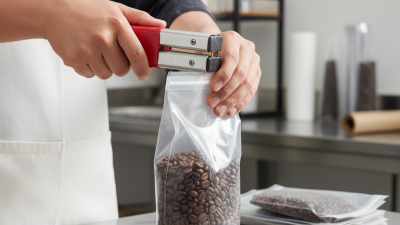
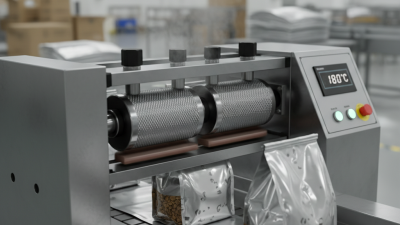
One crucial element is the sealing mechanism. This can include heat sealers or impulse sealers. Heat sealers use thermal energy to melt the bag edges together. Impulse sealers apply pressure and heat in short bursts. Both methods create strong, reliable seals that protect contents.
Another important component is the conveyor system. This transfers bags through different stages of the sealing process. A well-designed conveyor ensures efficiency. It can reduce delays and improve productivity. Additionally, some machines feature adjustable speed settings for various bag types.
Tips: Always check the sealing temperature. Too high can damage the bag. Too low might lead to weak seals. Regular maintenance is vital to avoid breakdowns. Replace worn parts promptly to keep the machine functioning well.
Sensors are also essential. They can detect misaligned bags and prevent poor sealing. This feature adds reliability, but occasionally it may require calibration. If sensors fail, it could lead to inefficiencies. Regular assessments can help avoid this problem.
Industrial Bag Sealing Machine Performance Metrics
How Bag Sealing Machines Operate
Bag sealing machines play a vital role in various industries. They ensure products are securely packaged and ready for shipment. By using heat, pressure, or adhesive, these machines seal bags tightly to prevent contamination or leaks.
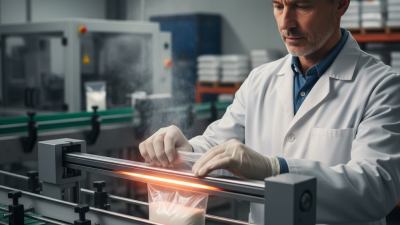
How do bag sealing machines operate? The process begins with loading the bag into the machine. Many machines are designed for high-speed sealing. Depending on the type, the machine may automatically detect the bag size. Then, it applies the sealing method needed. Heat sealing often requires preheating the sealing bars. This is critical for effective sealing.
Tips: Always ensure the bags are clean and dry before sealing. Moisture can weaken the seal. Regular maintenance of the machine is crucial. This helps to prevent delays in production.
Sometimes, machines may not create a perfect seal. Issues like incorrect temperature or pressure settings could arise. It's important to troubleshoot these problems. Regularly monitor the sealing process. Keeping records can help identify trends or recurring issues. Small adjustments can lead to improved productivity and fewer errors.
Applications of Industrial Bag Sealing Machines
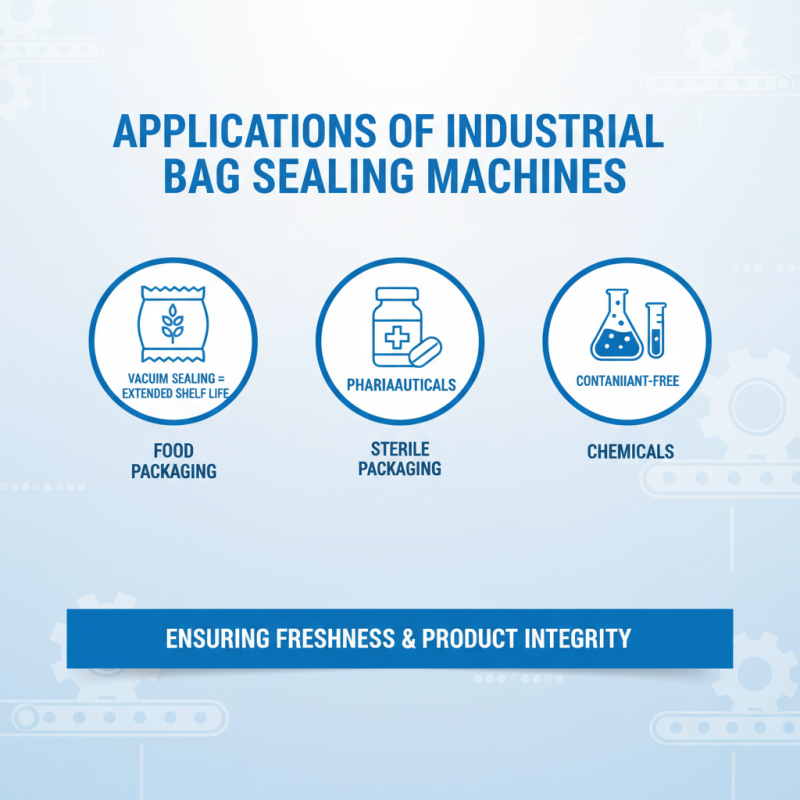
Industrial bag sealing machines play a vital role in various industries. They are used widely in food packaging, pharmaceuticals, and chemicals. These machines ensure products remain fresh and uncontaminated. In food production, for example, vacuum sealing can extend shelf life significantly.
In the pharmaceutical industry, accurate sealing is crucial. It prevents contamination and maintains product integrity. However, mistakes can occur. If bags are not sealed correctly, it could lead to product loss. Some machines struggle with thicker materials, which may cause operational delays.
The chemical sector also relies on these machines. Proper sealing prevents spills and protects workers from harmful substances. Even small leaks can create hazardous situations. These machines must be maintained regularly to avoid failures. With all these applications, the importance of reliable sealing processes is undeniable. However, businesses must remain vigilant about possible shortcomings in their equipment.