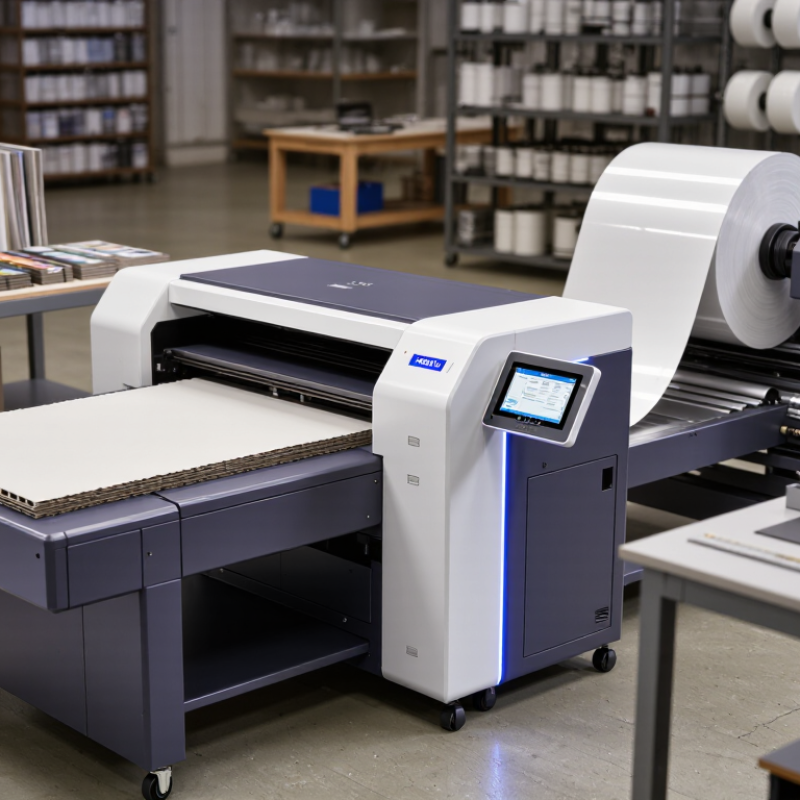
Choosing a hybrid printer starts with the jobs you actually sell. Will it handle rigid signs, flexible banners, or both in the same shift? List the largest panel, roll width, substrate thickness, and finish required. A board with a slightly warped edge can expose clearance problems that a showroom sample hides. Then check ink compatibility on your real materials, including adhesion, scratch resistance, and curing time. Test the awkward job. It is easy to overvalue maximum speed.
Production needs matter as much as application fit. Record weekly volume, peak deadlines, average job size, and how often operators switch materials. Smithers’ report The Future of Digital Printing to 2027 forecasts global digital print value reaching $230.5 billion by 2027, reflecting the expanding role of digital production. Grand View Research estimates the digital printing market was worth $35.5 billion in 2023, with projected growth through 2030. These figures describe a broad market, not guaranteed demand for your shop. Use them as context, not a purchase justification.
Compare usable throughput, not just headline speed. Ask for a timed run with your artwork, substrate, and finishing workflow. Check whether loading, alignment, curing, and cleaning create bottlenecks. Confirm service access, operator training, and the cost of routine maintenance. I would still leave room for doubt: production estimates often look tidy on paper, while mixed short runs are not. A practical trial can reveal the difference.