2026 How to Choose the Best Rotary Heat Sealer Machine?
Choosing the right rotary heat sealer machine is crucial for production efficiency. In recent studies, over 70% of manufacturers reported significant improvements in packaging speed and durability with the right sealing equipment. The rotary heat sealer machine stands out due to its ability to offer consistent seals across various materials. However, the choice can be daunting given the array of options available.
It's essential to consider various factors when selecting a machine. These include the type of products being sealed, material compatibility, and production volume. Industry reports indicate that improper sealing can lead to product spoilage, costing companies thousands of dollars. Moreover, the efficiency of a rotary heat sealer machine can also impact overall operational costs.
While many machines boast impressive specifications, their actual performance may vary. Regular maintenance and operator training are often overlooked but can significantly affect sealing quality. Careful evaluation of specific needs and manufacturer reliability is crucial in making an informed decision. Ultimately, investing time in research can lead to choosing the optimal rotary heat sealer machine that aligns with production goals.
Understanding Rotary Heat Sealers: Principles and Applications
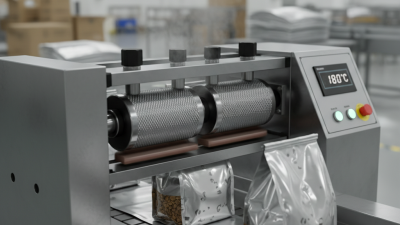
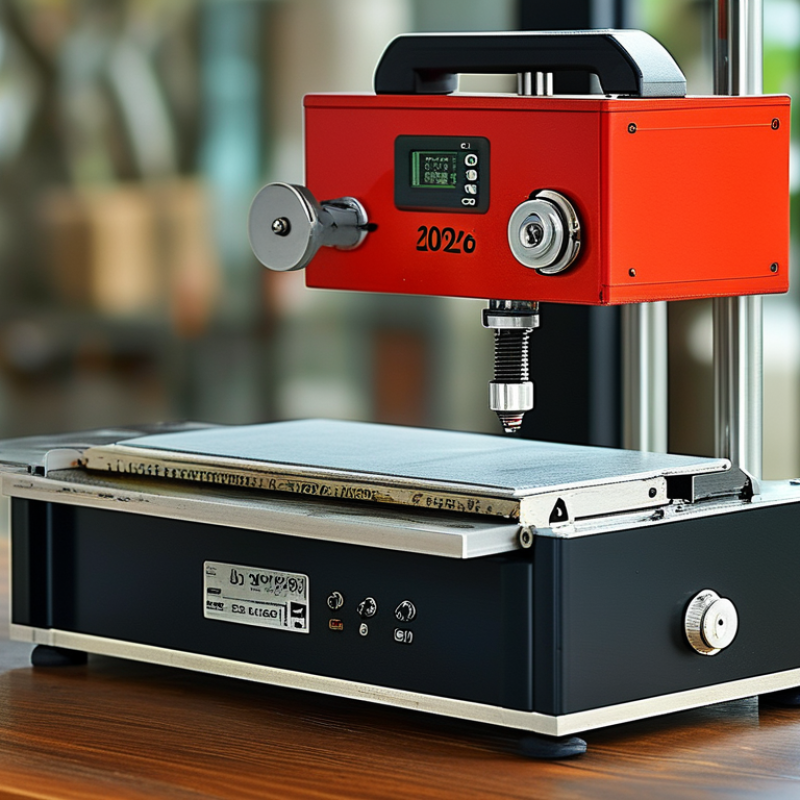
Rotary heat sealers play a vital role in packaging industries. Their design allows for continuous operation, making them highly efficient. These machines use heat and pressure to seal materials, ensuring product integrity. They can accommodate various materials, including plastics and laminates. Understanding the principles behind rotary heat sealers is essential for making informed decisions.
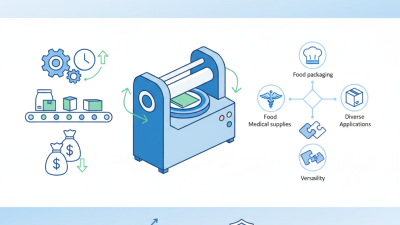
When selecting a rotary heat sealer, consider the specific application. Different sealing requirements exist for food packaging, medical supplies, and textiles. The temperature and pressure settings must align with the material properties. Some users overlook calibration, which can lead to inconsistent seals. An inadequate seal may cause contamination in food products or malfunction in medical devices.
Expert guidance can enhance the selection process. Knowledge of material behavior under heat is crucial. Users should also evaluate machine maintenance needs. Neglecting regular upkeep can diminish performance. There’s also a learning curve in operating these machines effectively. Consider training options to familiarize operators with best practices. The choice of a rotary heat sealer greatly impacts productivity and quality.
2026 How to Choose the Best Rotary Heat Sealer Machine?
| Feature |
Description |
Importance |
| Sealing Width |
The maximum width of bags that the sealer can seal. |
Essential for compatibility with packaging sizes. |
| Seal Time |
Duration required to create a secure seal. |
Affects production speed. |
| Temperature Control |
Ability to adjust heat settings according to material. |
Crucial for sealing different types of materials effectively. |
| Build Material |
Material used in construction of the sealer for durability. |
Impacts longevity and maintenance needs. |
| Power Consumption |
Energy required for operation. |
Important for operating cost considerations. |
| Automation Level |
Extent to which the machine operates automatically. |
Influences ease of use and labor costs. |
| Safety Features |
Inbuilt safety protocols to prevent accidents. |
Critical for workplace safety standards. |
Key Features to Evaluate in Rotary Heat Sealers for Optimal Performance
When selecting a rotary heat sealer machine, several key features can significantly enhance performance. One major aspect is the sealing temperature range. Sealing materials often require specific temperatures. Inconsistent heat can lead to weak seals. A reliable machine should offer adjustable heat settings. This adaptability ensures that various materials are sealed effectively.
Another critical feature is the speed of operation. According to a recent industry report, efficient machines can seal up to 50 packages per minute. Slower machines can hinder productivity in high-demand environments. Investing in a high-speed model may seem costly upfront but can save time and labor costs long-term.
Additionally, evaluate the build quality of the machine. Robust design contributes to longevity and consistent performance. Machines made from high-grade materials typically endure rigorous daily use. It’s essential to consider ease of maintenance as well. A machine that requires frequent repairs can lead to unexpected downtime and lost revenue. Always check user reviews for insights on reliability and maintenance needs. These factors play a crucial role in the overall cost-effectiveness of the equipment.
Industry Standards and Certifications for Rotary Heat Sealer Machines
When selecting a rotary heat sealer machine, understanding industry standards and certifications is crucial. These benchmarks guarantee that a machine meets safety, efficiency, and performance requirements. For instance, look for machines that comply with CE or UL certifications. Such certifications signify that the equipment has undergone rigorous testing. Machines holding these marks are often more reliable in their sealing operations.
Moreover, not all machines adhere to the same standards. Some might focus more on energy efficiency, while others emphasize speed. Verify the specifications to match your production needs. Understanding the relevant standards can help identify potential issues before purchasing. It's vital to consider what each certification entails. Misinterpreting these can lead to investing in a subpar product.
While certifications provide assurance, they don't paint the full picture. User experiences can vary significantly based on environmental conditions and materials used. Many users report that even certified machines have limitations. Being aware of these nuances is important for any buyer. A well-informed choice involves research beyond certifications. Seek feedback from users to gain insights into real-world performance.
Comparative Analysis of Rotary Heat Sealers: Manual vs. Automated Options
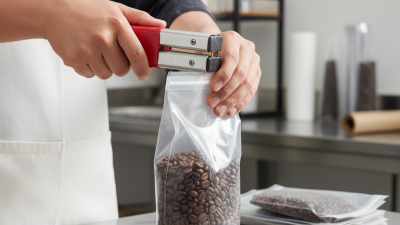
When selecting a rotary heat sealer, understanding the differences between manual and automated options is crucial. Manual sealers rely on operators for each sealing action. They require attention and skill but offer control over the sealing process. These machines are often more affordable and are a great choice for smaller production runs. However, they can lead to inconsistent results if operators are not experienced.
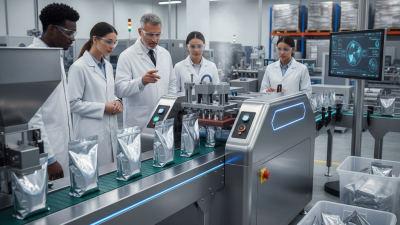
Automated rotary heat sealers, on the other hand, provide efficiency and precision. They can handle larger volumes and maintain consistent quality with minimal human intervention. This is beneficial in high-demand environments. Nonetheless, the initial investment can be significantly higher. It's essential to weigh whether your production needs justify the cost.
**Tip:** Consider your production volume before making a decision. If you anticipate growth, an automated option might be worth the investment.
Another point to ponder is the maintenance of the equipment. Manual sealers tend to have fewer mechanical components and are easier to maintain. Yet, automated machines may require specialized servicing, which could add to operational costs.
**Tip:** Research service options in your area to ensure quick support when needed. Familiarizing yourself with both options will help you make a more informed choice.
2026 Comparative Analysis of Rotary Heat Sealers: Manual vs. Automated Options
Maintenance Practices to Extend the Life of Your Rotary Heat Sealer
Proper maintenance of your rotary heat sealer machine is essential for optimal performance and longevity. Regular cleaning of the sealing area can prevent residue build-up, which may cause defects in sealing. Using a soft cloth and approved cleaning solutions can help keep the machine in top condition. Over time, the heating elements may wear down, leading to uneven sealing. Monitoring their condition and replacing them when necessary is crucial.
Additionally, checking the alignment of the machine's components will ensure efficient operation. Misalignment can cause unnecessary wear and tear. Be proactive; small adjustments can prevent significant issues. Routine lubrication of moving parts can reduce friction and enhance the machine's functionality. It’s important to follow the manufacturer's guidelines for lubrication frequency and types of lubricants used.
Lastly, inadequate user training can lead to mistakes. Operators should be educated on the best practices for using the machine. This includes understanding the settings for different materials. Knowledge gaps can lead to potential damage. Regular training sessions could help to minimize errors and maintain the equipment effectively. Consider gathering feedback from operators to identify areas for improvement in maintenance practices.