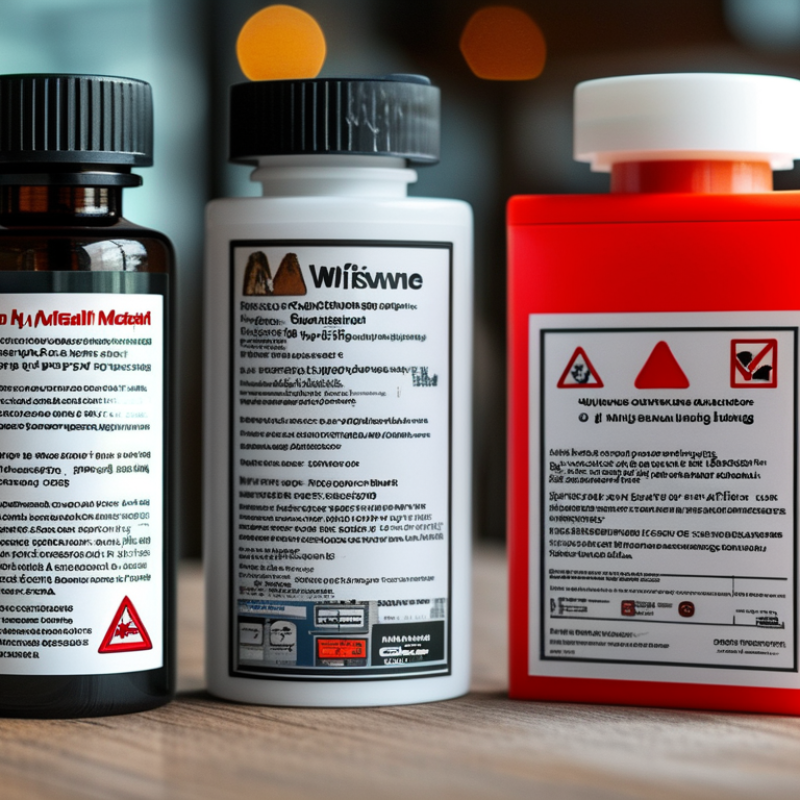
| Globally Harmonized System (GHS) | United Nations GHS model framework, implemented through national or regional legislation. | Nine red-bordered diamond pictograms may be used for physical, health, and environmental hazards. Not every hazard class requires a pictogram. | “Danger” for more severe hazard categories and “Warning” for less severe categories. | Use the official language or languages required by the destination jurisdiction. Translated text should retain the approved hazard meaning. | Product identifier, signal word, hazard statements, precautionary statements, supplier information, and applicable pictograms. | Keep pictograms highly visible, use strong contrast, group related information, and avoid placing critical text over complex graphics. |
| European Union and European Economic Area | Regulation (EC) No. 1272/2008 on classification, labelling and packaging of substances and mixtures, commonly known as the CLP Regulation. | CLP hazard pictograms in red-bordered diamonds, selected according to the product’s classified hazards. | “Danger” or “Warning,” where assigned by the applicable hazard category. | Labels must be provided in the official language or languages of the member state where the product is placed on the market. | Product identifier, supplier details, nominal quantity for certain consumer packages, pictograms, signal word, hazard statements, precautionary statements, and applicable supplemental information. Certain hazardous mixtures may require a Unique Formula Identifier. | Place the product identifier and primary hazard information together. Ensure the label remains legible after normal handling, storage, and transport. |
| United States | Occupational Safety and Health Administration Hazard Communication Standard, 29 CFR 1910.1200, aligned with GHS principles. | Applicable GHS pictograms shown as black symbols on white backgrounds with red borders. | “Danger” or “Warning,” when required by the hazard classification. | English is required for federal OSHA compliance. Additional languages can be added, provided the required information remains complete and consistent. | Product identifier, signal word, hazard statements, precautionary statements, pictograms, and the responsible party’s name, U.S. address, and telephone number. | Use a clear hierarchy: product name first, hazard prominence second, instructions third, and contact information last. Do not dilute mandatory text with decorative content. |
| Canada | Workplace Hazardous Materials Information System (WHMIS) 2015, implemented through the Hazardous Products Regulations. | GHS-based pictograms in red-bordered diamonds, selected according to the product classification. | “Danger” or “Warning,” as determined by the hazard category. | Labels and safety data sheets generally need English and French versions. Both languages must communicate equivalent information. | Product identifier, initial supplier identifier, pictograms, signal word, hazard statements, and precautionary statements. | Use parallel bilingual blocks or carefully separated language sections. Maintain the same emphasis, order, and warning strength in both languages. |
| Australia | Work Health and Safety hazardous chemical requirements, based on the seventh revised edition of the GHS. | GHS pictograms in red-bordered diamonds for applicable hazard classes. | “Danger” or “Warning,” according to classification. | Labels for workplace hazardous chemicals should be in English and use terminology accepted under Australian requirements. | Product identifier, supplier details, pictograms, signal word, hazard statements, precautionary statements, and applicable supplemental information. | Allow enough space for English hazard and precautionary statements. Avoid relying on color alone because labels must remain understandable in low light or for users with color-vision deficiency. |
| Japan | Japanese Industrial Standards for GHS communication, including JIS Z 7253, together with applicable national chemical regulations. | GHS pictograms in red-bordered diamonds where required by the classification. | Japanese equivalents of “Danger” or “Warning,” based on the applicable classification. | Use Japanese for the domestic market. Professional translation is important because small wording changes can alter the legal meaning of a hazard statement. | Product name or identifier, supplier information, pictograms, signal word, hazard statements, precautionary statements, and required regulatory information. | Use generous line spacing and sufficient character size for Japanese text. Confirm that the layout remains readable when horizontal and vertical writing conventions are considered. |
| China | National standards in the GB 30000 series and related Chinese requirements for classification, labelling, and safety data communication. | GHS-style red-bordered diamond pictograms for applicable hazards. | Chinese signal words corresponding to “Danger” or “Warning,” as applicable. | Simplified Chinese is generally used for products marketed in mainland China. The translation should be checked against current Chinese terminology and standards. | Product identifier, supplier information, hazard pictograms, signal word, hazard statements, precautionary statements, and applicable physical or chemical information. | Keep Chinese text visually separate from other languages. Use high contrast and avoid shrinking the translated text below a practical reading size. |
| International Transport of Dangerous Goods | United Nations Recommendations on the Transport of Dangerous Goods, Model Regulations, implemented through modal transport rules. | Transport hazard labels, handling marks, marine pollutant marks where applicable, and other prescribed marks or placards. | Transport marks generally rely on hazard classes, symbols, and prescribed text rather than consumer-style signal words. | Use the language and documentation format required by the transport mode and destination. Standardized symbols are especially important for cross-border shipments. | Proper shipping name, UN number, hazard class or division, packing group where applicable, handling marks, and required emergency or transport information. | Place transport marks on visible exterior surfaces, keep them unobstructed, and ensure they remain durable during handling, weather exposure, and vibration. |
| Universal Design Controls | Best-practice design controls that support regulatory compliance and user comprehension across markets. | Use standardized pictograms only. Do not replace mandatory hazard symbols with custom icons or illustrations. | Use one approved signal word for the applicable classification and avoid adding an unofficial second warning level. | Create a controlled translation workflow, maintain a terminology database, and review every localized version with a qualified regulatory specialist. | Include only verified hazard, precautionary, product, supplier, and regulatory information. Keep label content consistent with the current safety data sheet. | Use a strong information hierarchy, adequate white space, durable materials, readable type, high contrast, and redundant communication through text and symbols. Validate the final label at its actual printed size. |